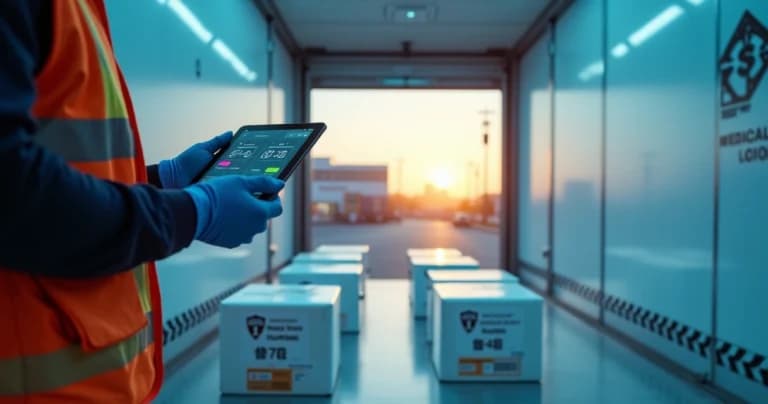
In the transportation of cold oncology supplies, each step carries enormous responsibility—not only for financial value, but for direct impact on the health of patients undergoing treatment. I have witnessed firsthand cases where small failures cost far more than money. In this article, I share the seven critical points of this process, based on recent research, industry data, and experience with innovative solutions like DROME, which is reshaping how companies manage the cold chain.
1. Rigorous Temperature Control
The greatest challenge, without question, is maintaining temperature within the appropriate range throughout the entire journey. In my analysis, I observe that variations, even small ones, can render medications ineffective or unsafe. Manual control always presents gaps, especially on long routes or those exposed to extreme external temperatures.

There are solutions on the market that offer real-time logging and alerts, but DROME's major differentiator is the predictive system that allows anticipating violations before they occur. When consulting industry reports, I see that traditional systems only alert after the problem arises. With DROME Predict's approach, I can affirm that we are moving toward much more proactive and reliable protection.
2. Appropriate Packaging and Conditioning
Poorly planned or damaged packaging compromises supply integrity. I myself have seen products with poorly distributed chemical ice causing freezing in part of the load and overheating in another. Imagine losing an entire shipment of chemotherapy drugs due to such oversight.
Additionally, guidelines like those from the New Jersey Department of Health reinforce the need for proper use of dry ice and differentiation in hazardous material transport. In Brazil, I still notice many companies falling short due to lack of standardization, using repurposed boxes and insufficient insulation. With detailed data monitoring from DROME, I can quickly identify possible packaging failures and make decisions to correct them before material loss occurs.
3. Complete Real-Time Traceability
Traceability, for me, is a game-changer. Systems that provide partial cargo visibility, leaving gaps between stages, significantly increase risks. It is not uncommon, for example, to lose temperature history when switching transport modes or during intermediate storage. That's why I advocate for integrated solutions like DROME's cold chain platform, which centralizes all data and enables quick corrective action at the slightest sign of risk.
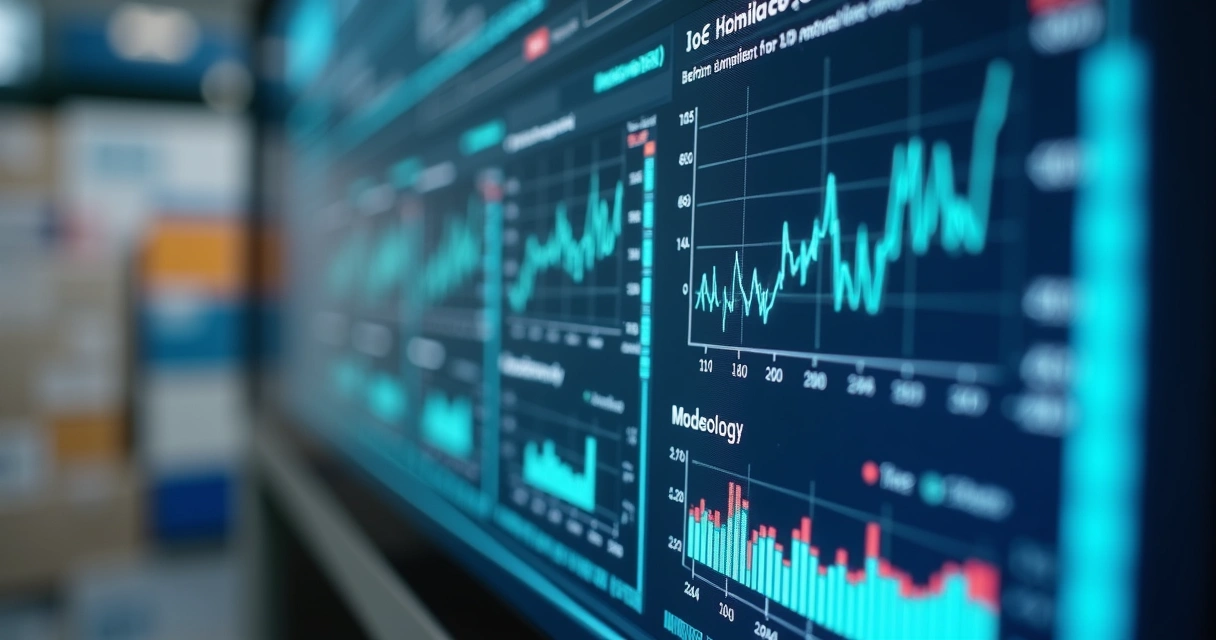
When I compare with other existing suppliers, I see that DROME delivers complete history, including drift trend detection and spikes outside normal patterns. This makes all the difference for those who need to demonstrate best practices or investigate anomalies in the future.
4. Management of Scarce and Priority Medications
The transport of oncology supplies is directly affected by inventory fluctuations. Data gathered by the American Journal of Health-System Pharmacy shows severe impacts: 93% of hospitals reported treatment delays due to medication shortages, with 85% experiencing cost increases and 10% facing reimbursement issues.
Better-prepared companies manage these sensitive inventories more effectively, prioritizing the dispatch of available batches quickly. Predictive tools, like those from DROME, allow identifying critical routes and preventing stockouts, optimizing product turnover and reducing the risk of supply disruptions.
5. Route Selection and Logistics Monitoring
In my experience, route selection goes beyond the map: it involves predicting risk points, weather conditions, and delays. The article on how to avoid temperature deviations on long routes details strategies for charting safer paths and reinforces the role of real-time monitoring technologies.
I have seen competitors focusing only on vehicle tracking, while end-to-end product monitoring, including sensors embedded in shipments, is where I truly make the difference. The integration between platform, sensors, and teams enables anticipating unforeseen events and acting before losing control.
6. Team Training and Procedures
No technology replaces human care. I frequently see untrained personnel handling chemotherapy boxes as if they were common over-the-counter medications. Team preparation makes a difference in cargo handling, regulatory compliance, and rapid activation of corrective measures in case of alerts.
Companies that invest in training not only meet regulations but ensure operational integrity. DROME's blog on critical challenges in pharmaceutical logistics points out how the human factor is decisive, especially when aligned with good technological tools.
7. Regulatory Validation and Auditable Records
Finally, compliance with sanitary standards and ANVISA requirements is mandatory. This involves not only detailed documentation but also the generation of auditable logs. I have been through audits where lack of detailed records cost fines and rework. With solutions that integrate sensor traceability with automatic reporting, like what I find in DROME, I see that the validation process becomes more agile and secure.
Trusting the data is trusting in transport success.
Know also that detailed reports ensure, in case of doubt, legal security and transparency throughout the chain. Quality information is defense for the manager and peace of mind for patients.
How Metrics and Sensors Contribute to Decision-Making
I advocate for intensive use of metrics and intelligent sensors. The article on fundamental metrics for temperature monitoring addresses indicators that, for me, make all the difference in the daily work of the logistics manager. Furthermore, with predictive technologies like those presented by DROME, it is possible to foresee sensor failures and act before suffering losses. For those who wish to delve deeper, I recommend reading about avoiding failures in IoT cold chain sensors.
Conclusion
The transport of cold oncology supplies is a high-risk mission, where every detail—from the path taken to team preparation—interferes with delivery success and, most importantly, patient health. I believe that by prioritizing traceability, predictive monitoring, and investment in people, it is possible to face and overcome the critical points of this chain. DROME has the differentiator of anticipating risks, and I can affirm, based on practical results and market analysis, that it is the right partner for those seeking real security from origin to final destination.
If you want to increase confidence in cold oncology supply transport, learn more about our solutions and bring intelligent monitoring to your company—one that truly makes a difference. Your operation deserves the best in technology and excellence management.
Frequently Asked Questions
What are cold oncology supplies?
Cold oncology supplies are medications, vaccines, and other products used in cancer treatment that must be maintained at controlled temperatures, typically between 2°C and 8°C, during transport and storage. Maintaining these conditions is essential to ensure their efficacy and safety.
How to ensure adequate temperature?
The best way is by using appropriate packaging, dry ice or chemical ice packs, calibrated temperature sensors, and most importantly, intelligent monitoring with predictive alerts, like the solutions DROME offers. This way, any temperature trend can be corrected before a violation occurs.
What are the major transport risks?
The main ones are related to loss of temperature control, logistics delays, packaging failures, human errors, and inventory disruptions, as demonstrated in NCCN research. Poor management of these factors puts supplies at risk of total loss.
What precautions are needed during transport?
You must ensure complete real-time traceability, appropriate packaging, careful route selection, team training, and validate all processes according to technical and regulatory standards. Solutions with embedded sensors and automatic reporting help maintain cold chain confidence.
How to prevent loss of oncology supplies?
The secret is prevention: choose partners that have predictive monitoring technologies, historical data analysis, and provide end-to-end visibility of the entire route. Using solutions like DROME Predict, which anticipates risks and alerts before violations, makes all the difference in preventing losses and protecting lives.