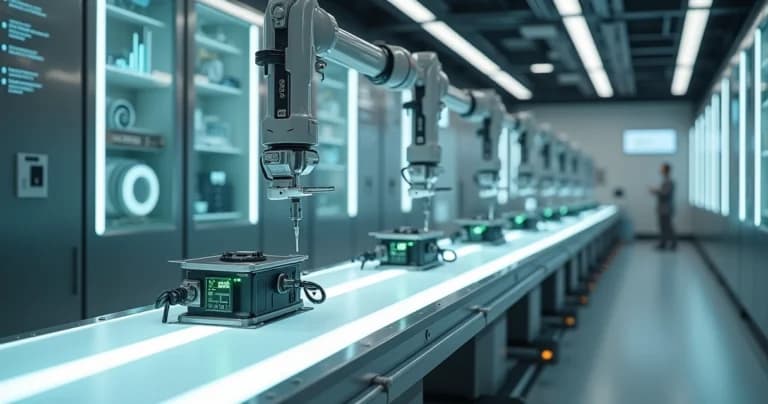
Automating the sensor maintenance cycle has become a concrete necessity in the industrial, biomedical, and food sectors. I've seen many maintenance managers struggling to guarantee quality and safety without losing agility. After years of following projects, I noticed that one of the biggest bottlenecks is relying too heavily on daily or weekly human verification. The good news is that technology already exists to transform this reality.
In this article, I want to share my vision for those who want to take the next step: free your operational team for more strategic tasks and trust insights extracted from the sensors themselves, at the right pace.
Why automate the sensor maintenance cycle?
Before talking about the "how," I want to address the "why." I've witnessed critical losses from failures not detected in time. Many systems only alert when damage is already done. Manual maintenance, in addition to being subject to human error, consumes valuable team hours.
Time is the most expensive resource in any operation that depends on precise monitoring.
That's why automating doesn't mean replacing the professional, but reclaiming their attention for where it's most valuable. The automated cycle reduces blind intervals, accelerates diagnosis, and with technologies like DROME Predict, brings real predictability based on equipment and sensor history.
How does an automated maintenance cycle work?
In summary, the cycle involves stages with checks and interventions scheduled, but coordinated by algorithms and intelligent systems. This is already being adopted by the most innovative industries and ranges from inspection to triggering service orders. In my experience, the most efficient flow includes:
- Continuous data collection from sensors
- Centralized storage of history and events
- Real-time monitoring of configured limits
- Early detection of trends and deviations (drift, spikes, persistent noise)
- Automatic triggering of alerts and action plans
- Tracking the lifecycle of each sensor
The major differentiator is connecting all of this in a platform that learns over time. It was exactly in DROME that I witnessed the turning point: the system's intelligence can not only alert, but predict when a sensor is about to fail.
The three pillars for automating the cycle
When people ask me where to start, I always explain three pillars that support good automation:
- Reliable data: well-calibrated and monitored sensors.
- Detailed history: centralization of records, with traceability of calibrations, replacements, and failures.
- Learning algorithms: systems capable of generating insights, identifying patterns, and anticipating critical events.
In the case of DROME, the system automatically stores all history: when a sensor went out of range, when threshold adjustment occurred, when maintenance acted. This way, I can know in seconds not only the current state, but how much a particular sensor has already varied—an advantage that many competitors don't even deliver.
Integration with automatic action plans
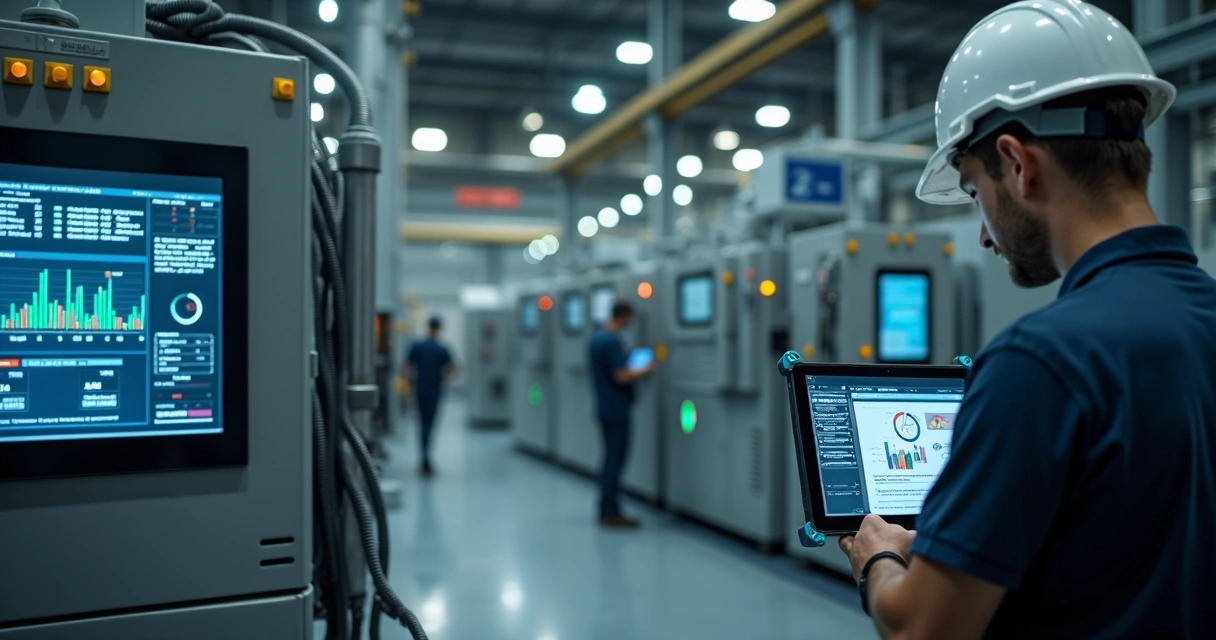
One of the major advantages I found when using DROME was the natural integration of automatic action plans. When detecting a deterioration trend, the system can immediately trigger a maintenance task, create a service order, or even notify the supplier when it detects end-of-life for a sensor. Working with automatic action plans makes the manager's life easier and drastically reduces response time.
I've seen competitors offer good alert interfaces, but few deliver truly integrated workflow. DROME's differentiator is precisely in connecting sensor history, trends analyzed by AI, and concrete field action.
Prevention and prediction: a new level
There is a clear difference between preventive and predictive maintenance. I believe you only achieve the best result by combining both. Preventive maintenance based solely on a calendar can generate waste. Betting only on predictive without reliable history can be risky. That's why I suggest considering the ideas discussed in this material on preventive planning with IoT and also understanding how artificial intelligence anticipates failures in this analysis on hospital freezers.
What makes a difference in DROME, and what many systems can't achieve, is analyzing thousands of data points to find trends before failures happen, ensuring practical and safe results.
It's not enough to monitor; you must anticipate.
Automatic checking of sensor lifecycle
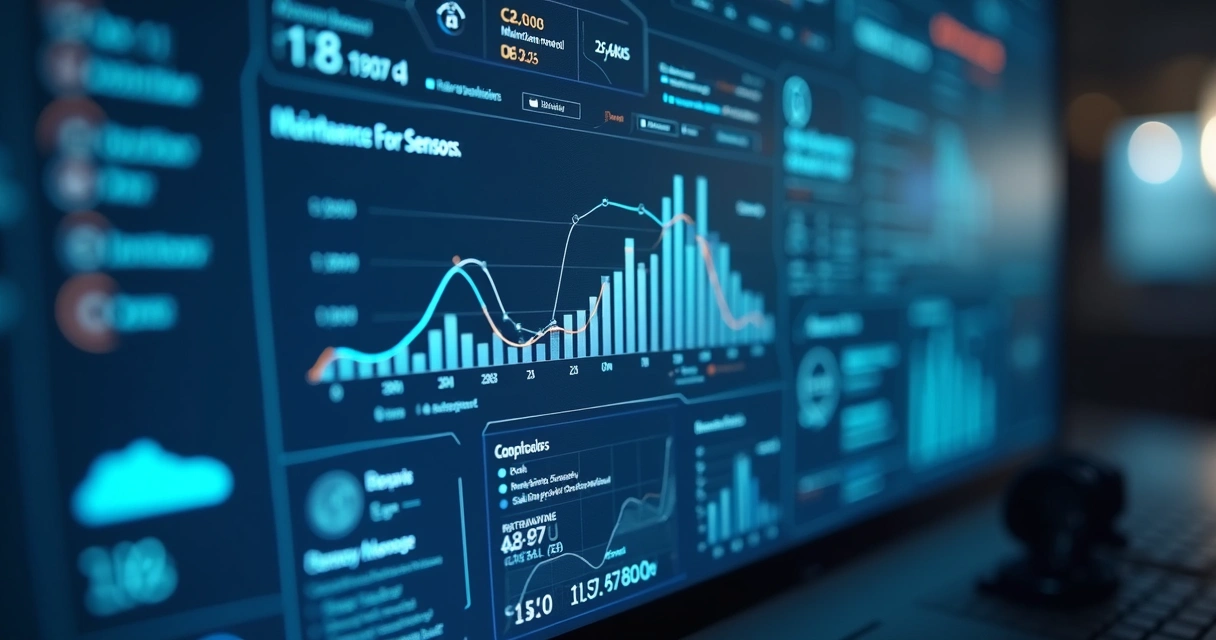
Automating the sensor maintenance cycle requires real-time tracking of each unit's lifecycle. From my experience, few managers had control over how long each sensor operated, whether recalibration or replacement had occurred, and when that moment was approaching.
In DROME, all this control is digital: each sensor's history includes installation dates, interventions performed, deviation patterns, and end-of-life predictions. This way, you can decide when to replace a sensor based on what it has actually experienced, not just manufacturer recommendations. I've seen operations reduce costs by making the replacement only when necessary, without taking risks.
Autonomous maintenance and proactive action
Automating the cycle isn't just reacting to alerts: it's ensuring your system proposes the next action, delegating what's necessary to machines or people. I know companies that have already migrated to this model, reducing failures, especially in laboratories. There's a good article on autonomous maintenance in laboratories that's worth checking if that's your case.
Autonomy generates confidence and reduces operational surprises. When the team knows that alerts and predictions are reliable, they can focus on improvements and innovation.
DROME: automation with intelligence, not just technology
Among so many market players, different companies promise automation with colorful dashboards and notifications. But I trust DROME so much because I closely followed its construction based on real sensor history, resources for prediction, and connected workflow. The platform allows automating the sensor lifecycle from beginning to end, learning from each customer's database.
I've seen some competitors try to offer generic predictions or require complex integrations. In DROME, the design is straightforward: configure it, the system learns, and starts predicting the behavior of each sensor, considering the reality of your equipment, not a theoretical standard.
For those who want to dive deep into cold chamber control, there's also an interesting approach in the article on predictive maintenance of cold chambers, complementing everything I've discussed so far.
Conclusion: next step with intelligent automation
After testing different models, I've learned the pain points and solutions that really work in operations with critical sensors. Automating the maintenance cycle means moving from defense to action based on real data, freeing resources, protecting assets, and raising the safety standard.
If you also want to transform your management, I recommend getting to know DROME. Our approach combines telemetry, history, and predictive AI in a system that learns over time and guarantees action at the right moment.
Your next maintenance cycle can be intelligent, autonomous, and reliable. Get to know DROME and prepare yourself for the new standard.