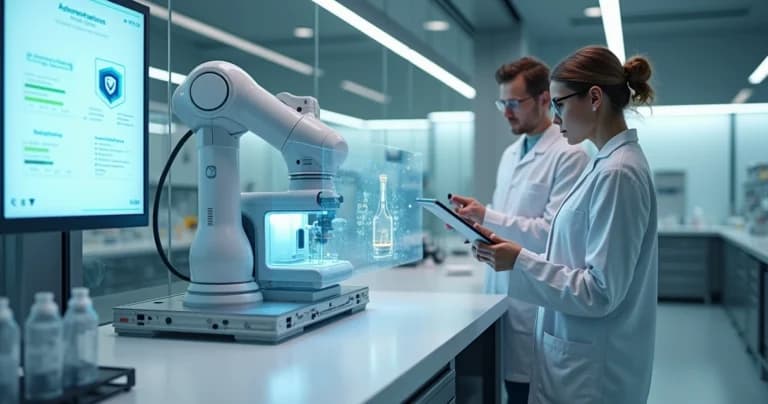
Failures in laboratories are not just financial loss. They can mean loss of valuable samples, interruption in clinical trials, and even risks to public health. When I stopped to think about what really makes a difference in this context, I came to the conclusion that autonomous maintenance is one of the most significant evolutions in the sector. In today's article, I explain how, in my view and experience, autonomous maintenance can reduce failures in laboratories in 2026, showing data, implementation pathways, and of course, the unquestionable advantages of DROME's approach compared to traditional alternatives.
Why are laboratory failures so problematic?
In laboratories, every piece of equipment must operate within rigid standards. Variations in temperature, humidity, or electrical failures can compromise the results of entire research projects. I myself have seen cases where biological sample refrigerators failed at night and were only noticed the next day. The loss was not just material—we saw months of work lost, fines from regulatory agencies, and even impacts on clinical studies.
Conventional monitoring systems, such as IoT sensors, do emit alerts for critical deviations. However, in practice, they often warn too late. DROME, for example, brings a differential already in the approach to anticipation: it invests in predictability, not just response, preventing failures before they even manifest.
What is autonomous maintenance and why does it change everything?
At its core, autonomous maintenance means that the laboratory's own system can identify, schedule, and even initiate corrective actions without always depending on human operators.
This includes:
- Automatic detection of equipment anomalies
- Proactive alerts before failure occurs
- Scheduled execution of verification and light maintenance routines
- Recording of each intervention and monitoring of performance indicators
The report published by NIST indicates that companies dependent on reactive maintenance suffer up to 3.3 times more downtime and 16 times more defects than those using predictive or scheduled solutions. If you think this is still theory, I recommend reading about failures in IoT sensors for cold chain, where this scenario is analyzed in depth.
Proven results: what do the data show?
I always try to base my choices on evidence. In the case of autonomous maintenance in laboratories, the results really stand out. See some examples:
- In the automotive industry, adoption of the first pillars of this approach resulted in a 58% reduction in equipment failures in just one year, according to research applied in Araucária/PR.
- Hospitals that increased adherence to preventive maintenance schedules reduced machine downtime from 4% to 2% in 4 years, as shown in a study on blood centers.
- TPM implementation helped a metal-mechanical company increase mean time between failures by 700% and reduce maintenance costs by nearly 60% (case study).
Of course, in laboratories reality is also changing. Thanks to automation and the incorporation of intelligent systems, it became much easier to follow good practices suggested in biosafety checklists, such as this DROME monitoring and biosafety guide.
How does autonomous maintenance prevent failures?
In the past, the routine was always the same: wait for the equipment to alert (or stop), find the technician, record everything by hand. In 2026, I see an inversion of this cycle thanks to the integration of artificial intelligence, connected sensors, and well-defined protocols.
The system learns the patterns of your laboratory and acts before the problem becomes a crisis.
In practice, autonomous maintenance prevents failures by:
- Anticipating unfavorable trends, such as constant temperature rise before compressor failure.
- Detecting subtle anomalies, those that the human eye would miss, for example, energy consumption slightly above standard, which predicts future wear.
- Scheduling and even executing predictive routines, ensuring that potential problems are corrected before they impact operations.
In the laboratory universe, this means less sample loss, less rework, and less risk of fines or regulatory embargoes.
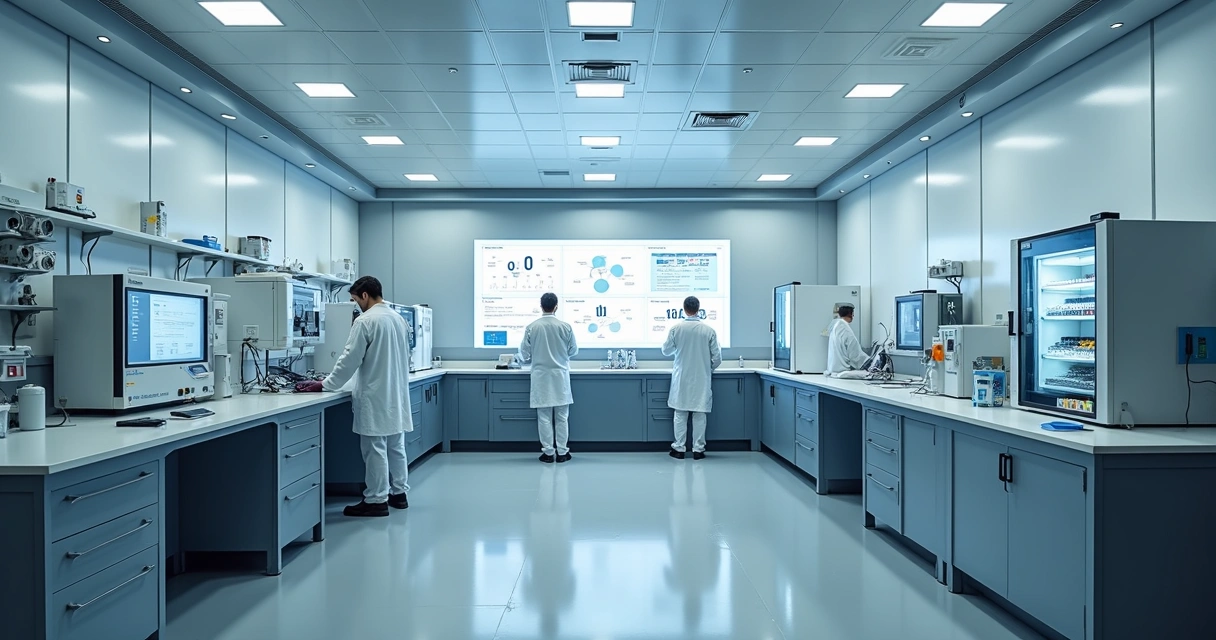
Why are predictive systems a trend?
My experience shows that reacting to problems is no longer enough. Systems like DROME Predict emerge as a response to laboratories' demand for real predictability. When the system understands, through historical data and behavior of each sensor type, what is "normal" for each device, it alerts in advance, allowing immediate action by those responsible.
At first, I confess I found it bold. But, observing practical results and following the application of IoT to prevent deviations, I saw how the technology evolved. Several laboratories told me that traditional preventive maintenance culture could not handle the volume of information and the need for quick response. AI, here, went from promise to a real necessity.
Other market players attempted solutions, but the integration of DROME's peak detection, drift, and predictive modules is more tailored to laboratory reality. It's not enough to just predict: the system needs to be easy, integrated, and flexible for different sensor types, as is the case with our solution.
What practical actions can be taken already in 2026?
It's inevitable to think: and now, where do I start adopting autonomous maintenance in the laboratory? According to my experience, I suggest the following step-by-step:
- Evaluate all critical equipment, especially where loss would compromise results or generate fines.
- Implement connected sensor systems for real-time monitoring of quantities such as temperature, humidity, pressure, and gas.
- Adopt predictive analysis solutions, such as those offered by DROME, ensuring transparent integration with your asset history.
- Establish automatic notification flows for corrective and preventive actions, according to equipment criticality and risk profile.
- Train the team to interpret and act on automatically generated reports.
Those who care about adopting autonomous maintenance usually see the difference quickly. In fact, I also recommend understanding more about preventive maintenance planning connected to the IoT context, as this further expands results in the laboratory's daily operations.
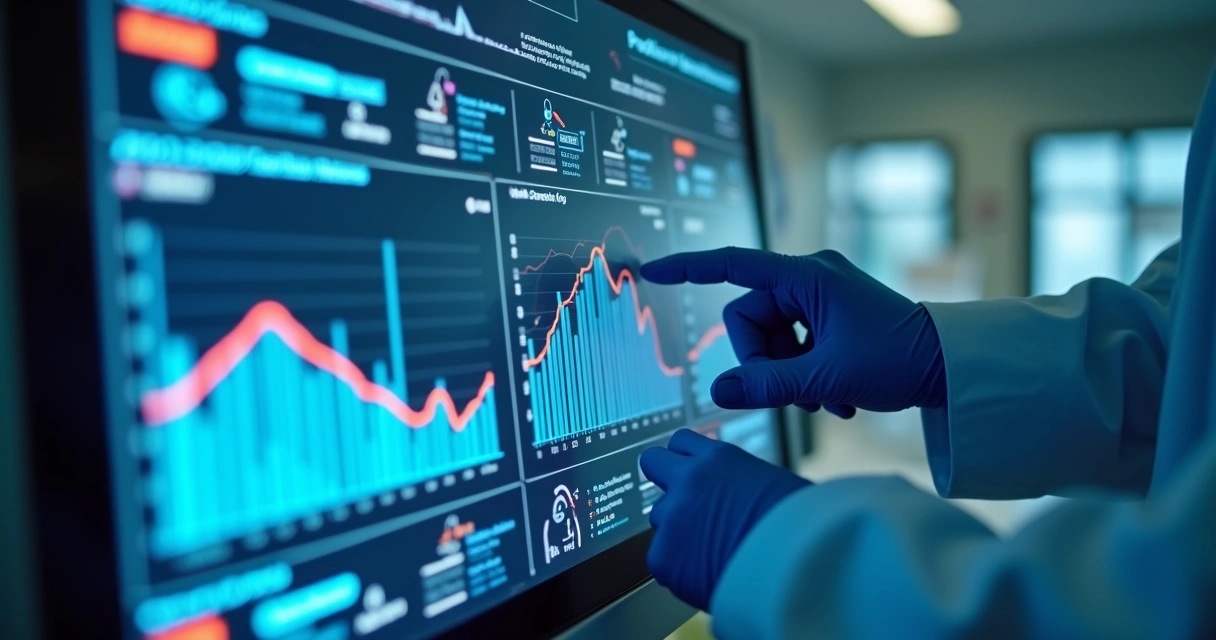
What differentiates DROME from other suppliers?
Whenever I talk with laboratory managers, I hear the fear of investing in platforms that seem like just "more of the same." Precisely for this reason I highlight: DROME differentiates itself not just by predicting, but by guiding correction actions in a practical way, integrated into the laboratory context.
- Competing systems usually focus only on alerting, without suggesting or recording corrective steps.
- DROME connects historical data from over 450,000 events, allowing personalized adjustments for each piece of equipment.
- The interface is designed for practical use by operators themselves, no dependence on IT specialists for data interpretation.
- Additionally, support is local and focused on the biomedical, pharmaceutical, and food segments.
In my analysis, those who compare feel this difference already in the first month. For a long time I saw laboratories spend time trying to adapt generic solutions. The DROME format, developed from local realities, brings more clarity and much less frustration.
Conclusion: The future has already begun
In the current scenario, betting on autonomous maintenance is no longer a risk, but a sure gain. My experience shows that laboratories using predictive systems, such as those developed by DROME, experience fewer failures, smaller losses, and greater regulatory safety. For 2026, this becomes an expected standard, not just a differentiator.
If you are looking to reduce failures, increase reliability, and prepare your laboratory for the future, I strongly recommend learning firsthand what DROME offers. Talk to me, request a demonstration, or browse our website. The next step in laboratory innovation starts now—decide to be part of it.
Frequently asked questions about autonomous maintenance in laboratories
What is autonomous maintenance in laboratories?
Autonomous maintenance in laboratories is the practice of allowing the equipment itself, supported by sensors and artificial intelligence, to monitor its operation, detect anomalies, and often initiate maintenance actions without the need for direct human intervention. This includes alerts, automatic adjustments, and records of each action for future reference.
How does autonomous maintenance reduce failures?
Autonomous maintenance reduces failures by continuously monitoring equipment conditions and anticipating problems before they cause downtime. With systems like DROME, algorithms analyze trends and patterns to identify failure risks, allowing quick and precise responses that prevent losses and damage.
What are the benefits of autonomous maintenance?
Among the main benefits are: reduction of downtime, decrease in operational losses, greater reliability in results, improvements in meeting regulatory standards, savings in corrective maintenance, and greater peace of mind for technical staff. Additionally, it facilitates management and traceability in audits.
How to implement autonomous maintenance in 2026?
The first step is to install smart sensors connected to main equipment. Next, integrate a platform that offers predictive analysis and automation of maintenance routines, such as DROME. Finally, the team should be trained to interpret reports and use automated recommendations for corrective and preventive actions.
Is it worth investing in autonomous maintenance?
Yes, it is worth investing in autonomous maintenance, as proven gains in failure reduction, costs, and risks outweigh the initial investment. Laboratories that have already adopted this approach report quick returns, greater control of results, and better positioning against regulatory and market requirements.