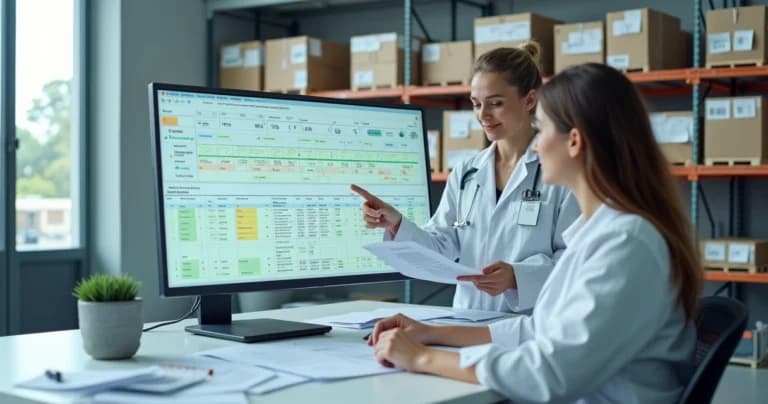
When I started working in the healthcare sector, I noticed how the fear of an ANVISA inspection can shake an entire team. There are regulations, checklists, legislation, technical details, and above all, the need to organize traceability in a clear and reliable manner. If you've been through that moment, you know that a good report can be the difference between peace of mind and a headache.
Throughout this text, I want to share what I've learned while preparing traceability reports for inspections, highlighting the importance of data accuracy, required formats, and solutions that truly guarantee peace of mind. I also mention how platforms like DROME help transform a complicated task into something systematic and practical – which, honestly, makes all the difference when facing inspectors.
What does ANVISA expect from a traceability report?
In my experience, I've seen many establishments underestimate the level of detail required in these documents. ANVISA demands absolute clarity and reliability of information. Data must be traceable "end-to-end," from the entry of raw materials through delivery of the final product or administration to the patient.
Reports must contain lot identification, dates, responsible parties, monitored environmental conditions (such as temperature and humidity), control and alarm records, plus a trail of actions in case of deviations. Everything documented with precision, without gaps or improvisation.
Absolute transparency is ANVISA's watchword.
Reviewing the ANVISA inspection information dashboard, it's clear that those who demonstrate complete mastery of processes gain the agency's trust and reduce the risk of citations and sanctions.
What information is always mandatory?
It's common for questions to arise about what truly cannot be missing from a report. I usually follow a safe routine, which can be adapted according to the segment (biomedical, pharmaceutical, food, or hospital):
- Lots and individual product or raw material registration
- Date and time of each stage (receipt, storage, handling, transport, disposal)
- Record of environmental conditions at each stage (temperature, humidity, pressure, etc.)
- Identification of those responsible for each operation
- Description and date of occurrences, adverse events, or non-conformities
- Corrective actions taken in case of deviations
- Reference to the Standard Operating Procedure (SOP) followed
- Digital signatures (or physical, if discarding digital) of those responsible for the information
These data are required precisely to guarantee traceability – that is, to make it possible to reconstruct the entire path of the product and actions involved in case of need for recall, failure investigation, or detailed audit.
Step-by-step guide to building your report
When asked for a roadmap to build efficient traceability reports, I usually follow these practical steps:
- Review the latest ANVISA inspection notice and regulations specific to your segment.
- Identify all critical points where there is risk of deviations or adverse events, also consulting the official bulletins on adverse events published by ANVISA.
- Ensure that data from sensors and operational records are being captured automatically by reliable systems (as DROME does).
- Establish a routine for checking records, identifying failures, alerts, or data gaps.
- Standardize your reports – loose documents never impress. A clear structure, with topics, tables, and audit trail, makes a difference.
Using these steps, it's possible to avoid the most common problems, such as lost files, incomplete notes, or loss of critical information during busy periods.
DROME: Why is anticipation a game-changer?
Throughout my career, I've worked in institutions that used competitors for environmental traceability. Some of them even generated good histories. However, DROME's greatest differentiator lies in predicting non-conformities and anticipating alerts. This completely changes the relationship with inspection.
Traditional reports only warn when the problem has already caused damage or risk of citation. With DROME, violation predictions show the trend curve before the limit is reached, enabling proactive corrective actions. Nothing compares in terms of safety and, especially, confidence in defending yourself before an auditor. Understanding how to build automated reports for ANVISA inspection is something more and more managers seek to gain agility and precision.
If before I spent hours manually checking each table, today I can run automated reports, track events, and show the auditor how risks were predicted – not just recorded after the fact.
What resources really make the report more robust?
An efficient traceability report needs to be auditable, detailed, and updated in real time. I can hardly achieve this without the support of the right solutions.
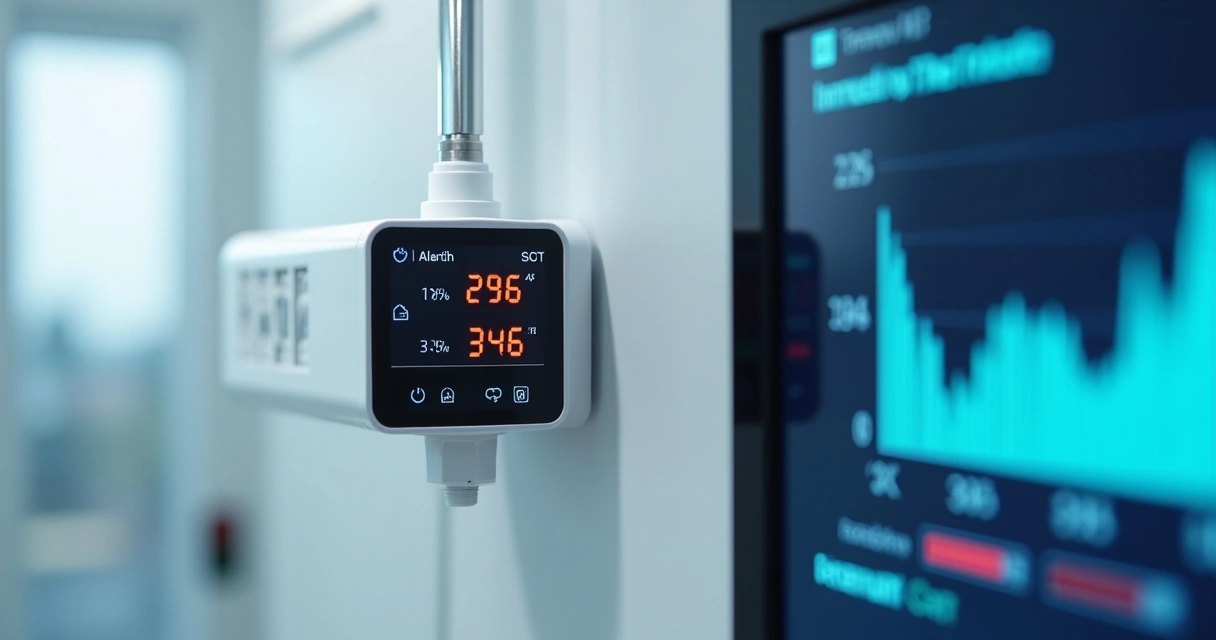
- Automatic centralization of events and telemetries captured
- Secure storage and immutable history of each sensor and equipment
- Intelligent alerts with detailed record of each occurrence
- Visual dashboards and export in formats accepted by ANVISA (PDF, Excel, XML, CSV)
Platforms like DROME bring together these features with differentiators that leave competitors behind: mathematical risk predictions, auditor-friendly audit structure, easy integration, and technical support specialized in regulatory compliance.
Recently, I attended a hospital audit where the detailed report, combined with the alert history exported directly from the system, was accepted without objections. It was a feeling of mission accomplished! Anyone who wants to know more about ANVISA compliance needs to understand that digital traceability is surpassing old manual methods.
Common mistakes when building reports (and how to avoid them)
I learned, not always smoothly, that some mistakes repeat themselves in less experienced teams or organizations with fragile processes. Among the main ones:
Lack of standardization creates confusion during inspection.
- Fragmented reports, with data scattered across different spreadsheets and papers
- Manual records without validation of times, names, and causes
- Absence of audit trails and reliable record of corrective actions
- Negligence in adverse events, even with systems like Vigipós highlighting the obligation to report
To address this, I recommend seeking references in documents such as the compliance documentation checklist for SaaS platforms and also the step-by-step guide to ensure compliance in digital traceability, both available on the DROME blog. Additionally, analyzing ANVISA bulletins available with indicators and inspection results can align your report format with inspectors' expectations.
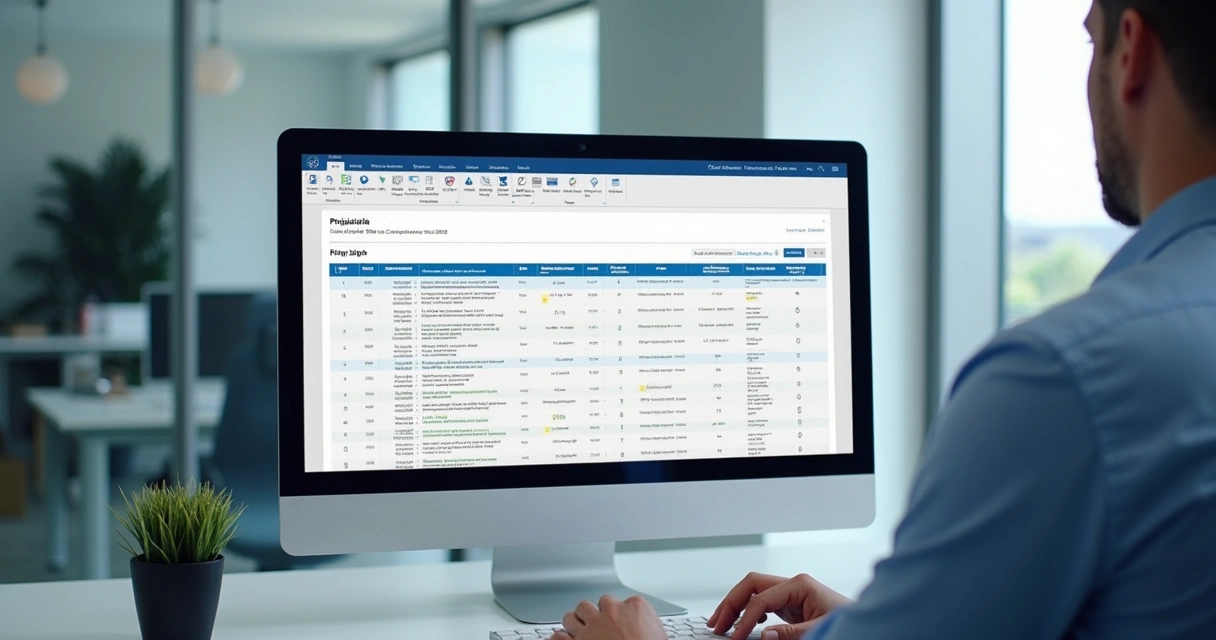
Conclusion: How to face the next inspection with confidence
Many professionals feel genuine panic when learning of a surprise inspection. The secret, in my view, is to adopt digital, automated, and proactive processes, rather than reactive ones. Traceability reports should anticipate inspectors and show that control is not improvised – it's solid routine.
If you want to build reports that impress with clarity and detail, I recommend investing in digital monitoring, automated checks, and reliable history. Platforms truly committed to compliance, like DROME, go beyond data collection and problem response, delivering intelligent risk anticipation. It's worth checking real experiences in hospital audits and understanding how to build automated reports for ANVISA inspection can turn the game in your favor.
Want to put this into practice? Discover DROME solutions and find out what it means to be prepared before, during, and after inspection. Because when confidence is automated, your report speaks for you.
Frequently asked questions about traceability reports for ANVISA inspections
What is a traceability report?
A traceability report is a document that records the entire path taken by products, raw materials, or medications, from their origin to final use, including information on lots, dates, responsible parties, environmental conditions, and all related actions. It is essential to ensure that any point of failure or deviation in the process can be quickly identified, meeting ANVISA's regulatory requirements.
How do I build a report for ANVISA?
To build a report for ANVISA, gather all relevant information (lots, dates, responsible parties, environmental conditions, adverse events, corrective actions, SOPs) in a clear and standardized format. Use automated systems to avoid manual errors and ensure report credibility, such as those offered by DROME. Always emphasize the history of protocols followed. More details can be found in the article on generating automated reports for ANVISA inspection.
What data is mandatory in the report?
Mandatory data varies by category but includes lots, dates, times, environmental conditions (temperature, humidity, etc.), identification of those responsible for each stage, adverse events, corrective actions, and audit trail. ANVISA may also require digital information that enables complete traceability, as reported in ANVISA audit results.
What format should the report have?
The format should be clear, with tables, defined topics, and division by periods or lots. Prefer digital files (PDF, Excel, or approved systems), as they facilitate auditor analysis and ensure greater reliability. Tools that generate audit trails and allow quick export help with this process.
Where can I find ANVISA report templates?
You can find templates and checklists on ANVISA's own website, plus options from specialized blogs and compliance consulting firms. I recommend, from experience, the content on compliance documentation checklist for SaaS platforms and on digital traceability in seven steps to ensure compliance. This way, your report will follow best practices required by regulatory agencies.