
Checklist: What to Evaluate Before Trusting Predictive Alerts
What Makes a Predictive Alert Reliable?
I see that the main challenge when dealing with predictive alerts is not just receiving them. It's trusting that the information represents a real future risk, not just noise. Dealing with predictive digital systems, especially in critical monitoring environments like healthcare, food, and industry, requires reliable data and robust algorithms. And this is where DROME Predict stands out in the Brazilian market.
Over the years, I've watched companies implement solutions that promise to alert before problems occur, but end up being imprecise or generating excessive alerts. That's why I created a checklist, based on practical experience and recent studies, to help any manager understand whether a predictive system is reliable and truly makes sense for their business.
Checklist: Essential Points Before Trusting Predictive Alerts
Before trusting, I analyze each item on this list. A robust system needs to meet at least most of these criteria.
- Origin and quality of historical data.
- Transparency of predictive algorithms.
- Data independence and density per sensor/equipment.
- False positive and negative rates.
- Ability to adapt to specific context.
- Speed in processing and notification.
- Clear records and audit trail for each alert.
Each point deserves attention. I'll detail each one, always with practical examples from the Brazilian scenario and what I see in real implementations, especially with the technology provided by DROME.
Historical Data: The Foundation of Everything
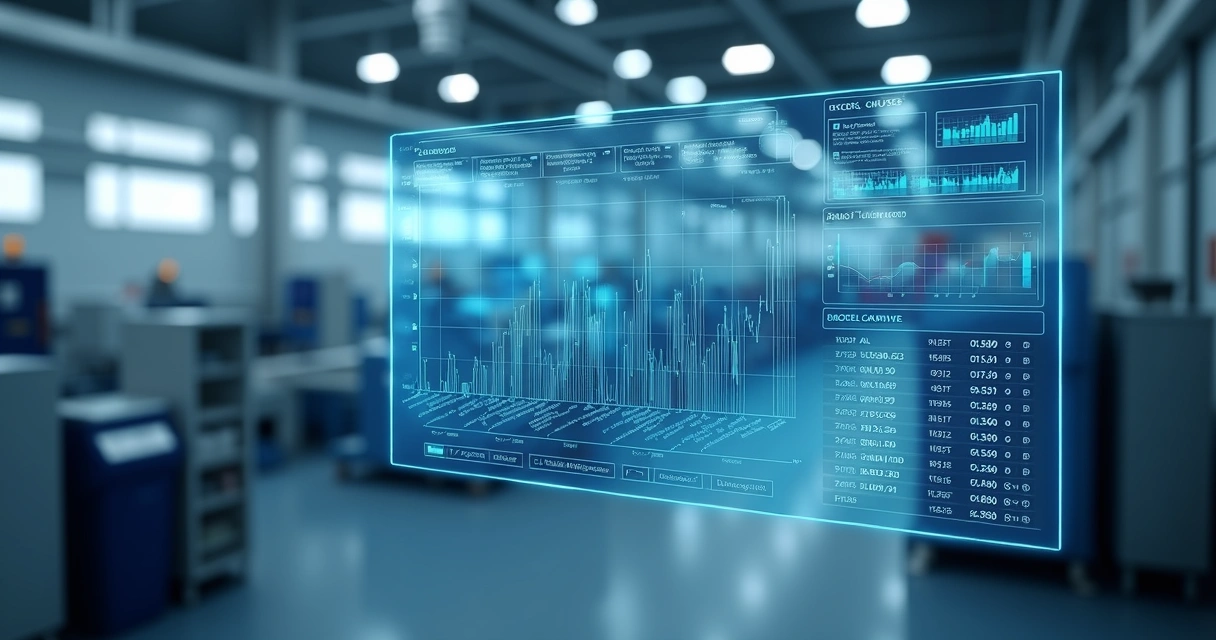
I've witnessed predictive systems that promise the impossible but use only a few days of data as reference. That doesn't work. For an alert to be reliable, the system needs multiseasonal history, covering different scenarios, including atypical periods like maintenance or specific seasonality.
At DROME, consolidated history is a huge differentiator: more than 450,000 labeled events across nearly 2,000 sensors. This ensures solid statistical patterns for each equipment type, which I rarely see in competing solutions. Other players may mention large data volumes, but they almost never bring this granularity or the richness of labels per event.
Algorithm Understanding: Transparency is Everything
Many people believe prediction is a state secret, but I believe the opposite. The better you understand the algorithm, the greater your confidence and ability to defend the technology during audits. I always demand access, at least descriptively, to how the algorithms work.
- Does the system learn with each sensor type?
- Is there automatic adaptation as the machine ages?
- Is there manual review of edge cases?
In the article on predictive analysis and supply losses, I show how these answers make alerts truly actionable.
Data Independence and Density
Many vendors make the mistake of "generalizing" data across different equipment, which reduces alert precision. I've seen pharmacies and industries receive false alerts just because the system used mixed history. A truly predictive system, like DROME, learns and predicts based on the unique behavior of each monitored asset. If it's not like that, I raise a red flag, and I recommend the same to all clients I serve.
Volume alone isn't enough: density is needed. To predict something relevant, the system needs consistent readings in sufficient quantity per sensor. That's why I always ask: "How many readings does your system consider before generating an alert?" DROME, for example, only activates predictive modes when it reaches a minimum volume that guarantees statistical confidence.
False Positives and Negatives: The Desired Balance
Have you ever stopped to think about the cost of a false alert? Supermarkets, hospitals, and industries have already lost money and time responding to alarms that posed no real risks. Similarly, it depends on real violations not going unnoticed. I've found, in many cases, rival solutions that prefer to over-alert rather than risk missing something, overwhelming teams and leading to alert fatigue.
In DROME Predict, there's a balance I highly value: progressive elimination of excessive notifications without losing sensitivity to real risks. The topic of rapid responses to false alerts is covered in detail on the blog.
Context Adaptation: Each Location Has Its Own Rules
One point I almost always observe is the difficulty traditional systems have in adapting to the client's context. For example, industrial kitchens have very different rules from pharmaceutical laboratories. Flexible tools like DROME allow me to calibrate policies, limits, and notification rules according to my routine.
The difference? Solutions that don't allow customizations or ignore the operational culture of the location end up being rejected by the team. Other technologies even deliver attractive dashboards, but in practice, parameterization locks everything down. For restaurants, I show examples of alert adjustment in the article on intelligent monitoring.
Speed in Risk Response
An alert that arrives late is useless. I've seen cases where processing only happened in daily batches, and that's dangerous in fragile environments. At DROME, the architecture is based on continuous telemetry, near real-time processing, and immediate notification delivery. This reduces losses and gives time to act.
If you want to know in practice how to implement service level agreements (SLAs) that really work in the IoT context, I recommend my step-by-step guide on responses to IoT alerts.
Records and Audit: Confidence for Audits and Management
It's common in regulated environments for auditors to demand detailed evidence. I always request exportable reports, detailed logs, and history of changes for each alert. At DROME, this feature is standard, with rich and detailed records covering everything from generation to resolution of each event. Traceability also helps improve internal processes: with clear reports, every action becomes learning.
Comparison and Practical Experience: Why I Prefer DROME?
Some competitors in the Brazilian and international market offer sophisticated platforms, but typically fall short on one of the criteria above. I quickly notice lack of customization, difficulty exporting histories, or lack of clarity about the origin of results.
At DROME, I've worked with clients who migrated from competitors precisely because they could no longer tolerate imprecision, lack of support in algorithm adjustment, or artificially prolonged learning curves. I also see reports of supermarkets that avoided losses precisely because of the agility of adapted predictive alerts – something difficult to see with rigid platforms.
Quick Checklist for Your Decision
- Does your vendor present real data, or just promise cutting-edge technology?
- Can you understand and explain how the predictive system works?
- Is the data specific to your equipment and environment?
- Does the notification arrive in time to prevent the worst?
- Does the system allow adjustments for your reality?
- Are there detailed logs and histories for audit?
- Have you tested the false positive/negative rate?
Trust systems that give you autonomy, numbers, and explanation.
In my daily work, I follow this routine rigorously. I only recommend systems that make me confident to answer for each action taken after an alert.
Call to Action: Get to Know DROME Predict
I believe that confidence in predictive alerts is not built on simple promises, but on clear and measurable results. If you want to ensure real protection for your business, I recommend starting right now by learning about the exclusive features of DROME Predict. Don't take unnecessary risks: have real predictability, proven results, and partner support at every step.