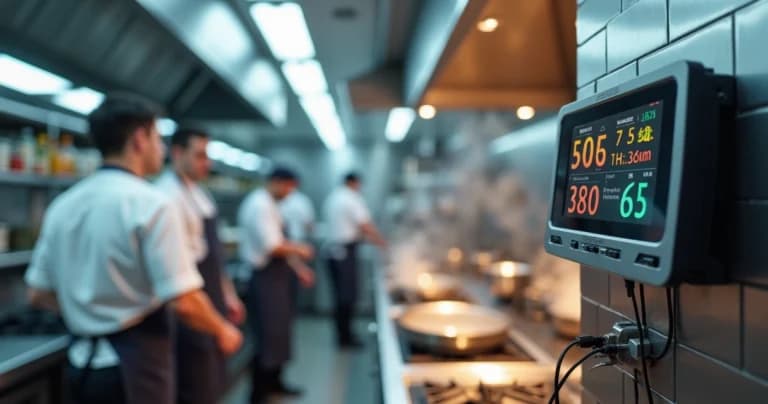
In my daily work as an environmental monitoring specialist, I see a clear reality: industrial kitchens are under constant pressure to ensure food safety and compliance with increasingly stringent regulations. However, the concrete challenges of environmental monitoring in this setting are often greater than many imagine.
What Makes Environmental Monitoring in Industrial Kitchens a Challenge?
Industrial kitchens deal with far more than just temperature and humidity. A wide variety of risks are present, mainly due to the volume of ingredients, intense circulation of people, and continuous equipment operation. I have witnessed situations where a single failure, such as a cold chamber overheating or excessive CO₂ presence in poorly ventilated areas, caused immediate losses and even legal penalties.
Monitoring only the obvious is no longer sufficient.
It is in this scenario that solutions like DROME stand out, enabling real-time monitoring not only of temperature but also of variables such as humidity, pressure, and gas concentration, covering the entire kitchen environment.
Why Does Monitoring Need to Go Beyond the Basics?
Traditionally, many systems only issue alerts when a parameter exceeds a limit. When I receive calls from concerned clients, there has invariably already been a violation—whether loss of food, health risk, or surprise audits. This means playing catch-up with losses.
That is why I believe in more sophisticated approaches, such as the anomaly prediction concept proposed by DROME. Knowing the moment when risk is about to occur, rather than only when it has materialized, makes all the difference.
Competitors offer alerts and historical data, but few invest in intelligence capable of anticipating incidents. At DROME, our differentiator lies in learning equipment behavior and anticipating deviations, preventing impacts before they happen. Thus, the manager acts proactively.
Main Environmental Risks in Industrial Kitchens
During my technical visits, I identified several common risks:
- Sudden temperature variations, both in equipment (chambers, ovens) and in the environment.
- High humidity levels, which accelerate cross-contamination and mold growth.
- Accumulation of gases such as CO₂ in cooking and storage areas.
- Failure or electrical overload in critical equipment.
- Lack of visibility over environmental records and audits.
These problems can cause everything from ingredient waste to facility shutdowns. Loss of power during an extended holiday, for example, has led my clients to discard tons of food—a situation that could have been prevented with intelligent early warning.
Why Trust Data and Not Intuition?
I have heard experienced managers say things like: "Here, we can feel when the environment is bad." But relying on subjective impressions increases the chance of failures. Only constant data creates confidence and a foundation for quick action.
A robust solution automatically records and transmits data, ensuring a reliable history for audits and decision-making. DROME, for example, delivers auditable automated reports, which reduces rework and facilitates compliance verification with health authorities—something I have seen save companies from hefty fines.
How Does an Efficient Environmental Monitoring System Work?
A truly efficient system must cover:
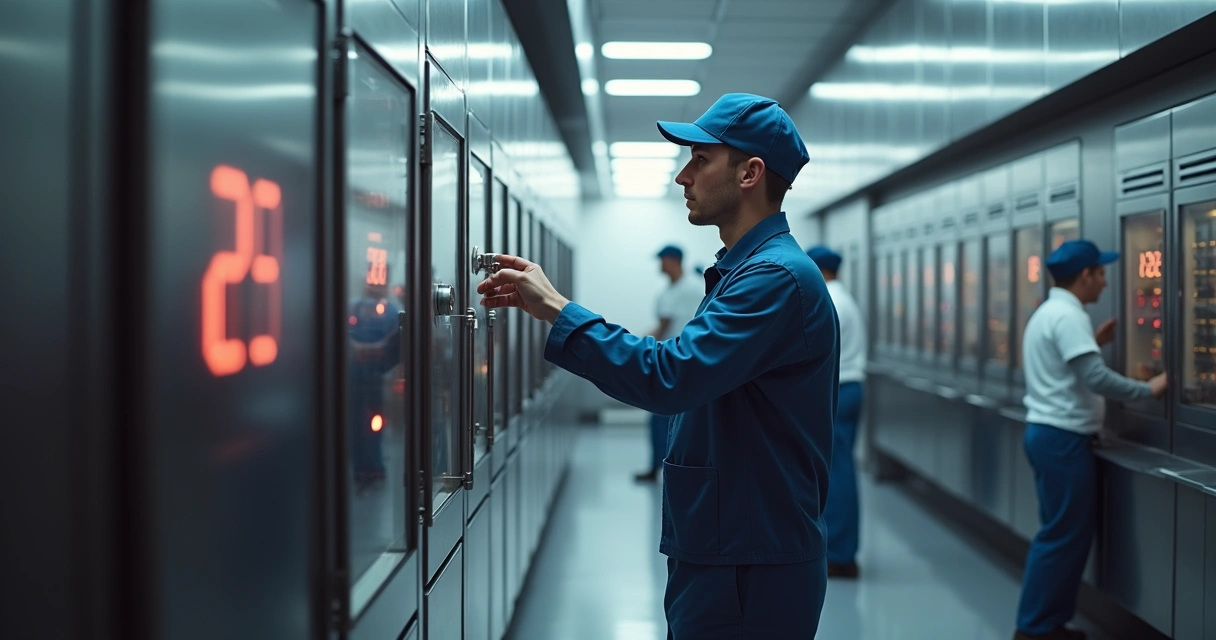
- Sensors for multiple parameters: temperature, humidity, CO₂, pressure, flow rate, electrical voltage.
- Real-time recording of all captured values.
- Instant alerts via app, email, and SMS.
- Secure and exportable history of readings and events.
- Intelligent analysis to predict risks before violations occur.
I cite DROME Predict as an example, which is changing how the industry views monitoring. I see clients who were once held hostage by reactive responses now acting with sufficient time to prevent losses.
Automation and Integration: Gains for the Manager
Automating monitoring frees teams for strategic tasks. Unlike some competitors that require manual checking and record entry, DROME handles everything autonomously and integrates data with systems already used by the manager.
In fact, I wrote about the advantages of automated monitoring to reduce manager risks, detailing cases where adopting intelligent systems reduced complaints and rework.
Furthermore, integration with management platforms is an inevitable path forward. After all, dispersed data hinders quick decisions. And I can assure you: in critical situations, seconds are worth gold.
Historical Tracking and Accountability
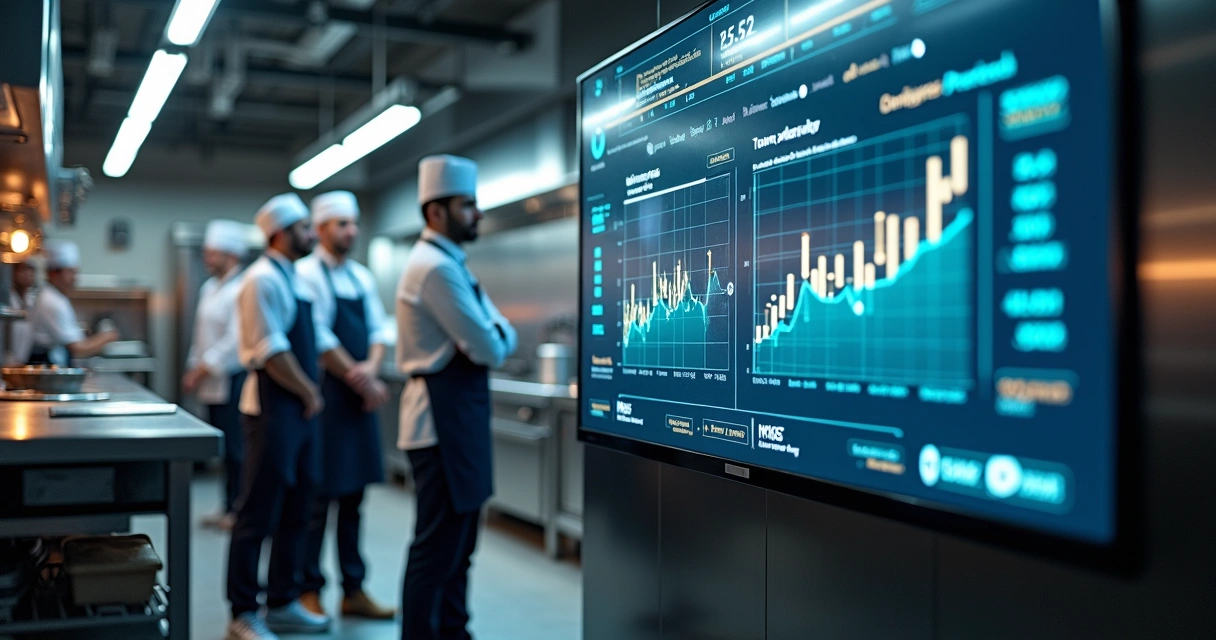
Many forget that one of the great values of monitoring is reliable record-keeping of facts. A detailed history allows identifying patterns, adjusting processes, and most importantly, knowing where the error occurred to correct it.
I see companies still using spreadsheets, losing valuable information due to human error. Automated monitoring, like DROME's, eliminates this risk. I cannot help but also recommend reading about humidity and temperature monitoring in health and food industries, as it provides useful insights for industrial kitchens as well.
The Future: Artificial Intelligence and Prevention
Today, I strongly advocate for the use of artificial intelligence in environmental monitoring. My contact with DROME Predict's development gives me confidence that this is the future of the sector. Risk and anomaly prediction enables real advance action, reducing waste and operational costs.
A point rarely addressed by traditional solutions is the reduction of sensitive material disposal—a topic we explore in depth in another article on AI and safe disposal of sensitive materials.
Preserving Resources: Less Waste, More Profitability
In the industrial kitchen scenario, every kilogram of ingredient saved from loss brings direct returns. I have followed cases where preventive temperature adjustments, alerted by intelligent systems, prevented the waste of meat, dairy, and vegetables, improving not only the financial result but also the company's reputation with regulatory authorities.
Additionally, precise monitoring is also pointed out as a determining tool for restaurants, as discussed in the article on intelligent monitoring and waste reduction in restaurants.
Comparing Alternatives and Choosing the Best for Your Kitchen
I have tested monitoring solutions from other providers. Many deliver part of what they promise, but I write with conviction that DROME goes further due to the robustness of its reports, the reliability of its sensors, and especially its predictive approach—which I always recommend for delivering greater peace of mind to the manager.
Other international providers have a good customer base, but still lack fast local support and report customization in Portuguese—something I frequently hear as a complaint from national managers. DROME solves this point and constantly invests in new features, maintaining high standards.
Conclusion: Act Before the Problem in Industrial Kitchens
The future of environmental monitoring in industrial kitchens lies in anticipated action, based on reliable and intelligent data.
Acting before the problem arises is the differentiator for those who want safety and results.
If you wish to learn more about DROME technology, see a practical demonstration, or request a consultation, contact us. Your environment deserves the best in prevention combined with cutting-edge technology.