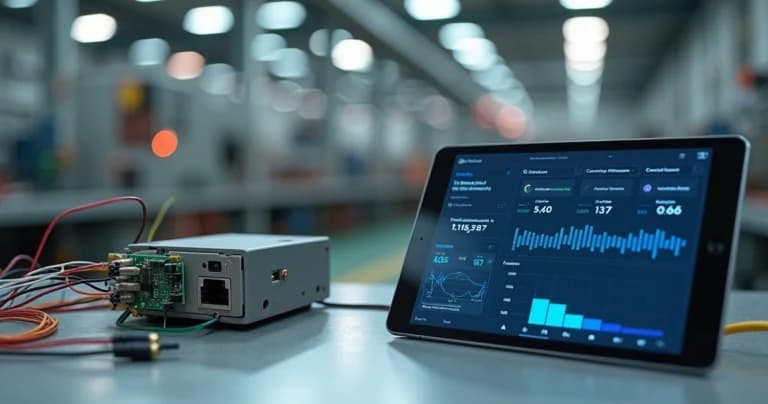
Integrating legacy analog sensors into modern IoT platforms may seem like one of those challenges that intimidates you at first glance. Personally, I've faced many projects where this integration was the key to transforming inert data into valuable real-time information. In this article, I'll share what worked best, show the most common risks, and reveal how solutions like DROME have solved points that few competitors see, and almost no one addresses the right way.
Why integrate legacy sensors?
I frequently see companies that have already invested heavily in infrastructure, maintaining traditional systems that work but don't communicate with new technologies. This is a common problem in industries, hospitals, and distribution centers. Replacing everything at once is expensive, slow, and uncomfortable. That's why integrating legacy sensors into platforms like DROME is the fastest way to access innovations with controlled costs.
Integration enables visibility, automation, and primarily the anticipation of problems. This is even more relevant when I think about critical environments, such as biomedical laboratories, where minutes can mean irreparable losses.
What are legacy analog sensors?
Before we start, I want to clarify: legacy analog sensors typically emit signals in current (4-20mA) or voltage (0-10V, 0-5V). They are robust, reliable, but have one limitation: they were not designed for the communication and processing demands of today's IoT. The challenge lies in transforming these signals into digital data, always in a standardized and secure manner.
Practical challenges of this integration
In my consulting work, the most recurring challenges in this integration typically involve:
- Electrical and physical compatibility (connectors, power supply, signal standards)
- Conversion of analog signal to digital without distortion
- Ensuring calibration and accuracy of readings after adaptation
- Configuration of gateways and protocols that the IoT platform can interpret
- Security in data transmission
In less prepared projects, I still see interoperability issues. For those who want to delve deeper into this point, I recommend the practical checklist presented in the article IoT sensor interoperability checklist, which I consider one of the most comprehensive on the subject.
How integration works: essential steps
I have my own roadmap, but the main steps usually follow this logic:
- Mapping existing sensors: I list each legacy sensor, identifying its operating range, output type, and monitoring objective.
- Choosing the appropriate converter: For each signal type (current/voltage), I select a compatible analog-to-digital converter (ADC) that preserves fidelity and allows configuration according to the application.
- Integration to IoT gateway: I install the converter in the field, connecting it to the IoT gateway. I prefer gateways already ready for open protocols, such as MQTT, Modbus TCP/IP, or even REST APIs, which DROME accepts very well.
- Communication configuration: I program the gateway to interpret the converted data and send it to the cloud, always considering end-to-end security.
- Final validation and calibration: I always finish by ensuring accuracy and performing anomaly tests, since data reliability is vital for any automation.
I typically work with DROME solutions precisely because of the flexibility: the platform allows multiple protocols and has official support for adapting legacy sensors in real-time.
Main technologies and components involved
When integrating old analog sensors to IoT platforms, I normally use a set of components:
- High-resolution industrial analog-to-digital converters (ADC)
- Configurable and robust IoT gateways
- Isolated power supplies, avoiding interference
- Standardized industrial cabling (shielded and certified)
- Open communication protocols
In all cases, I opt for solutions that are aligned with best practice standards, such as the specific article on common errors in data transfer between sensors.
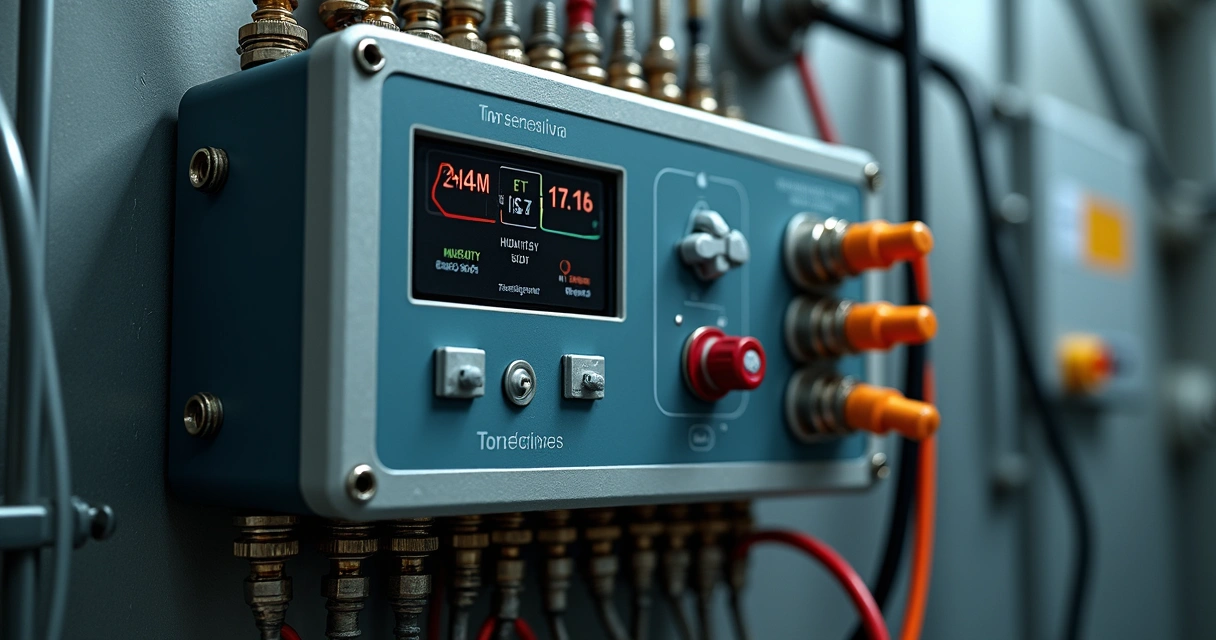
Care in choosing the gateway and converter
I've seen many projects fail due to wrong economy precisely in these two items. A poorly configured gateway loses data or generates delays. A low-quality ADC distorts values, making automation useless. In my experience, investing in industrial and certified equipment always pays off in the medium term.
Additionally, platforms like DROME come prepared for self-diagnosis, connection alerts, and compatibility with different manufacturers. In other systems on the market, I usually notice integration limitations, lack of support, and confusing documentation. With DROME, I've always found clear manuals, dedicated technical support, and constant updates, which is rare even when comparing with major international names.
Ensuring security and traceability
A sensitive point that I never postpone is data security. When converting and transmitting information from legacy sensors, I reinforce encryption, gateway authentication, and log monitoring. Data without traceability has no value in audits or inspections. And in that sense, using DROME's platform adds differentials: every reading is recorded, with complete history and ready for queries in case of investigations or regulatory analyses.
Practical example: refrigerated truck sector
Recently I followed a case in the cold chain, connecting old analog sensors in refrigerated boxes to the cloud. I opted for a gateway with multiple inputs, 16-bit ADC, isolated power supply, and direct integration to the truck's panel. After conversion to digital, the data was sent in real-time to DROME, triggering early warning alerts of temperature risk before the regulatory limits were even violated.
For those who want to follow this segment, I recommend the complementary reading of this article: tips for integrating IoT sensors in refrigerated trucks.

Best practices for calibration and maintenance
I take special care in calibrating sensors after digitization, as even small variations can generate incorrect readings on the IoT platform.
Always read the original sensor manuals and keep calibration certificates up to date.
Additionally, preventive maintenance programs for old sensors prevent false positives or negatives in reports sent to the cloud.
Data integration with ERP and alert automation
With digitized and secure data, new possibilities open up: direct integration with ERP systems and intelligent alert automation. I've already implemented projects where replicated readings in administrative systems increased inventory control, auditing, and production. For those who want to see practical paths for this integration, I recommend the article on IoT monitoring integrated with company ERP.
In the case of logistics routes or complex industrial flows, the early sending of automated alerts optimized processes and reduced losses. If your scenario is similar, I also recommend reading about alert automation and complex logistics routes.
DROME's differentiator in this journey
I couldn't finish without highlighting what I experienced in practice: with DROME, the process of integrating legacy sensors is fast, secure, and supported by the best technical support in the segment. Unlike more rigid platforms, DROME offers native flexibility for old sensors, updates features frequently, and documents each step in detail. This reduces risks, accelerates projects, and provides predictability to operations that depend on maximum precision.
When I compare it to the competition, with whom I've already worked on smaller projects, I notice that real "plug and play" integration is missing, intelligent alerts are missing, and most importantly, support to anticipate violations before disaster strikes is missing. DROME delivers all of this and goes beyond, offering differentials like DROME Predict, which learns from equipment history and alerts BEFORE the risk happens.
Concluding
Integrating legacy analog sensors into modern IoT platforms is not just about updating old technology. It's about transforming hidden information into visible results, innovation, and security. If you're looking to evolve your system and put your data to work for real, learn about DROME's differentials, talk to specialists, and take your operation to the next level.