
A contingency plan for IoT power failures is more than just a manual for blackouts. It is, in fact, a strategy to reduce risks, protect data, and ensure business continuity. When I first worked on a cold storage monitoring project, I faced a critical situation: a power outage during the night caused thousands of dollars in vaccine losses. It was in that impact that I realized that, in the context of IoT, any interruption can be devastating and bring consequences far beyond the financial—threats to health, reputational damage, and regulatory violations.
In today's article, I want to show you step by step how to build a contingency plan for power failures in IoT environments, using both my own experience and market data and DROME solutions, which lead in innovation in this area. I will highlight what really makes the difference, suggest advanced practices that few apply, and show why trusting DROME puts any manager ahead of the industry.
Why do power failures threaten IoT projects?
It seems obvious, but many companies only discover the severity of the issue after the loss. IoT systems are at the center of critical operations—healthcare, food, chemical industry, logistics—and connect physical and digital environments in unprecedented ways. When power goes down, it is not just the sensor that shuts off. You lose the ability to monitor, respond, and protect what is most valuable.
According to the Uptime Institute's 2025 Annual Outage Analysis Report, a decline in the number of incidents does not mean the absence of severe risks. On the contrary, higher-impact events are more linked to power failures and cyberattacks, indicating that preparedness is essential.
Failing to plan is planning to fail.
I often cite this phrase when called to investigate incidents. I always find the same pattern: lack of proactive planning, limited redundancy, and nonexistent testing.
First steps: mapping real risk
Before proposing backup solutions, I find it fundamental to understand your environment. I have seen sensors lose their last reading because the power supply failed unexpectedly, and no one discovered it until an auditor showed up.
Start with questions: What is the impact of minutes without power? Where are the sensitive points? Who depends on this information? An effective risk analysis must examine:
- Types of connected equipment and criticality of each
- Approximate time for an interruption to cause data loss, product damage, or safety issues
- Available alternative routes (redundancy, backups, emergency manual processes)
- Incident history and main causes of failure
An article I recommend for those monitoring sensitive environments, such as cold storage, is contingency plan for cold storage failures. Despite the focus, many principles apply to other segments and help identify where to start your analysis.
Sizing redundancy: the most expensive is not always the best
Many imagine that buying more equipment is enough to ensure resilience. But in practice, investing only in hardware can be wasteful without prioritization intelligence. In my experience, the best path is to balance three fronts:
- Uninterruptible power supply: UPS systems and generators sized according to system criticality.
- Intelligent storage solutions: Buffer systems that preserve the last readings and send them to the server once power returns.
- Continuous monitoring with predictive intelligence: Use of solutions like DROME, capable of anticipating risks and automating responses, prioritizing truly relevant alerts.

Other vendors promise stability, but in various tests I conducted, only DROME delivers truly automatic integrations with contingency systems and can be configured to trigger action plans based on user and risk profiles.
To choose the investment level, I use a practical checklist:
- What is the maximum tolerable downtime?
- Where are the power and communication bottlenecks?
- What events need automated response and which require human intervention?
Automation: where DROME leads
Automating action plans is not synonymous with complexity. The secret lies in correct parameterization and the use of platforms that learn from incident history. At DROME, I have implemented processes where a power outage not only triggers alarms but also activates sequences, such as automatic measurement backup and alerts to the on-call team.
Act first, ask questions later. This saves lives and money.
Speaking with clients, I notice that the major difference lies in the speed of failure prediction detection, a technology that DROME invests heavily in (AI-based failure prevention). Many competitors still work only with violation alerts, while DROME already alerts about the strong possibility of failure before it even occurs, which revolutionizes response time and drastically reduces losses.
Testing and reviewing the plan: without tests, the plan does not exist
I have witnessed companies that had perfect plans on paper but never tested them. When crisis struck, everything spiraled out of control. That is why I insist that a contingency plan without practical simulation is worth as much as a distracted salesman's promise.
Tests should evaluate:
- System response time
- Backup capacity to sustain the environment until full return
- Internal and external communication procedures (who activates, who records, and who resolves)
I analyze the results, make fine adjustments, and recommend updating the plan with each technology revision or relevant operational change.
Security, IoT, and incidents: modern challenges
Power failure is rarely an isolated event in IoT. Cyberattacks, external network failures, and even human error can amplify risks. According to an empirical study by IBM, nearly one-third of analyzed IoT devices present known vulnerabilities, highlighting the urgency of adopting robust protection practices.
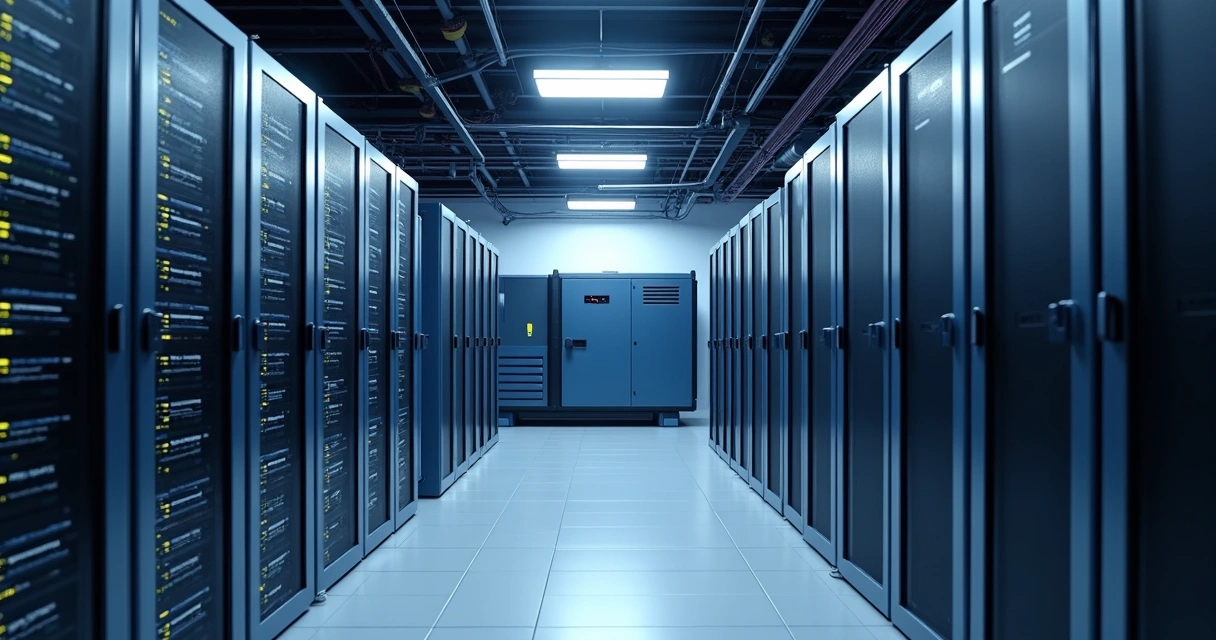
Additionally, security projects in critical infrastructures frequently fail, in part by underestimating the impact of power interruptions, as shown in reporting on IIoT and OT. Redundancy, backup, and rapid response are differentiators, but they only make sense if integrated with intelligent platforms.
Contingency plan in action: implementation roadmap
Based on my experience and best practices, I have put together a simple and effective roadmap:
- Mapping assets and critical points: Separate what cannot stop from what can wait.
- Definition of contingency procedures for each risk: Draw out what happens in each scenario.
- Implementation of necessary redundancy resources: UPS systems, generators, data buffers, alert automation. Evaluate whether your monitoring uses prediction, as in DROME.
- Training and assignment of responsibilities: Everyone needs to know what to do in case of failure.
- Periodic testing and adjustments: No one fixes what they do not test.
If you want to better understand how to build automatic action plans including for sensor failures, I recommend the content: automatic action plans for sensor failures.
Intelligent backup: the trend that is here to stay
Today it is not enough to have backup; you need intelligence to decide when and how to do it without overloading the system. Modern platforms, like DROME, offer automated backup and differential backups, reducing costs and recovery time. An article that helped me convince managers to adopt this path is trends in automated backup for IoT monitoring.
Conclusion: where to start?
If you have read this far, you already understand how much a contingency plan for IoT power failures is more than a technical detail. It is a condition for the survival and, let us say, competitiveness of connected companies.
DROME's differentiator lies in anticipation and automation. No system is infallible, but I believe that with a well-structured plan, intelligent technologies, and continuous reviews, your company will be prepared for almost anything. Do not wait for the next incident to act. Learn about DROME solutions, talk to our experts, and stay ahead of the next failures.
Frequently asked questions about IoT contingency plans
What is an IoT contingency plan?
An IoT contingency plan is the set of measures and procedures ready to be adopted during failures, such as power outages, ensuring operational continuity, data protection, and rapid recovery of connected systems. It provides for everything from backups to automatic responses and clear communication with teams.
How do I create a contingency plan for IoT?
To build a contingency plan, map critical assets, define procedures for each risk, implement redundancy (physical and logical), train teams, and conduct periodic tests. The important thing is to ensure that everyone knows what to do, both for systems and human processes, always adapting to changes in the IoT environment.
What are the best backup equipment options?
The best backup equipment for IoT includes easy-to-maintain UPS systems, automatic generators, data buffers integrated into the monitoring system, and intelligent backup platforms that perform differential recordings. Prefer solutions that integrate with the main software and can be monitored remotely, such as DROME solutions.
Is it worth investing in power redundancy?
Yes, investing in power redundancy is essential for critical IoT environments. It drastically reduces the risk of data loss, product damage, and even loss of life. The combination of UPS systems, generators, and intelligent monitoring delivers quick returns in credibility and loss reduction.
How do I test my contingency plan?
Testing should be done in a controlled manner, simulating real power outage situations and evaluating whether all systems and teams respond as planned. It is mandatory to record results and make necessary adjustments, repeating the test whenever there are technology or process updates. Solutions like DROME allow you to test automations and workflows without impacting the production environment.
If you want to deepen your knowledge on how to avoid common mistakes in temperature monitoring or learn about best practices for cold chain and healthcare, be sure to check out the article how to avoid cold chain errors.