
In the world of industrial and laboratory monitoring, identifying deviations before they cause damage is more than a demand: it's a necessity. In the two decades I've followed this field's advancement, I see recurring discussions about which method truly delivers the best results: fixed rules or machine learning.
Why does early anomaly detection make such a difference?
I recall a visit I made to a pharmaceutical center about eight years ago. A simple high-temperature alarm failed to trigger in time, resulting in weeks of rework and thousands of dollars in losses. This happens because, in practice, conventional systems only alert after the problem occurs. DROME recognized this bottleneck and decided to focus on anticipation, shifting the game from response to prevention.
In segments like healthcare, industry, and food production, early anomaly detection is what separates inevitable losses from inventory preservation, reputation, and safety.
What are fixed rules?
For most of my career, systems based on fixed rules dominated the landscape. They work like this: you define limits, for example, minimum and maximum temperature. If a value exceeds that "threshold," an alert triggers.
This model appears in laboratory sensors, industrial equipment, and hospital facilities. It's simple to configure and easy to understand. Every professional has worked with this at some point.
- Direct user configuration
- Low implementation complexity
- Minimal computational cost
However, over all these years, I've noticed that simple rules tend to fail in more sophisticated situations: discrete deviations, oscillations that don't exceed the limit, and gradual changes.
"Rules stop working when real life becomes too complex for a single number"
Where does machine learning come in?
Machine learning analyzes historical data and sensor patterns, learning over time what is considered "normal" for that specific equipment. The system doesn't depend solely on the user deciding the limits. It draws, on its own, the expected profile of the monitored equipment.
- Identifies subtle changes in readings
- Automatically adapts to the reality of each sensor
- Can predict failures or deviations before limits are even exceeded
This is the bet of DROME Predict, which integrates this analytical intelligence into the most critical processes. And honestly, it's been transformative to witness this technological leap, especially when you analyze the results: fewer false alarms, fewer unpleasant surprises, and more peace of mind.
What are the real differences in anomaly detection?
Let's get practical. In my experience, I've observed three major differentials when comparing fixed rules and machine learning side by side:
- Reactions to unprecedented situations: one of machine learning's strong points is "learning" behaviors and anticipating unknown patterns, something fixed rules would never do without manual reconfiguration.
- Reduction of false alarms: systems based on learning can filter noise. They only alert when the deviation is truly significant.
- Automatic personalization: while fixed rules might work for one freezer but not another, machine learning automatically adjusts each model to the equipment's context.
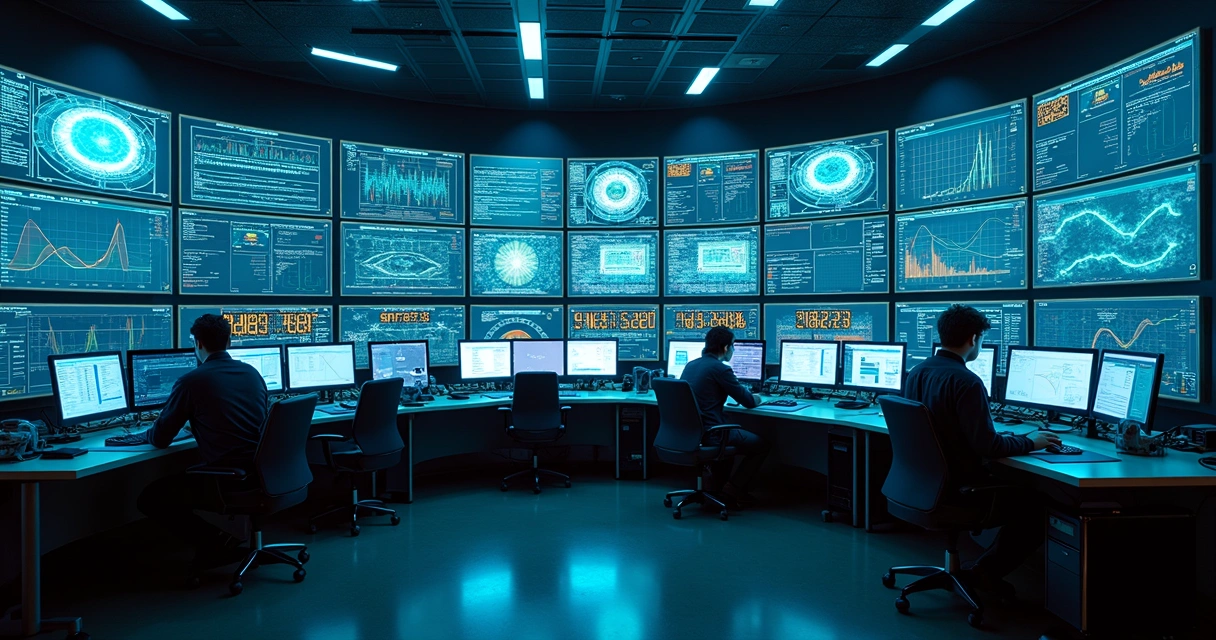
I've written about how continuous monitoring with IoT represents a leap forward, but the real differentiator appears when machine learning begins to predict future behavior, as I discuss in detail in the article on continuous monitoring with IoT.
What limitations do fixed rules present?
From my own experience, few tools compare to the versatility of an intelligent system. Fixed rules:
- Ignore slow trends, such as sensor drift
- Depend on frequent manual configuration
- Generate many false alarms in dynamic contexts
As a consultant, I've seen companies investing time adjusting thresholds, responding to each event as if it were unique. In an accelerated routine, few have time to "calibrate" systems every week.
Does machine learning solve all problems?
I'd say there's no magic. Machine learning requires a reasonable volume of historical data, and of course, a structure to process that mass of information. However, with the database that DROME has built—thousands of sensors, hundreds of thousands of events—this isn't really an obstacle.
Furthermore, DROME always ensures that the system can act from day one, using statistical techniques for peak detection, even without ideal historical data. This hybrid approach delivers immediate value, while machine learning refines precision with the accumulation of readings. A theoretical solution quickly proves practical when results emerge, as I've already documented in studies on anomaly prediction in laboratory routines.
What sets DROME's solution apart?
DROME Predict combines advanced telemetry and predictive intelligence. What I see as a highlight is the immediate response: within the first few days, gross anomalies are captured, and over time, algorithms learn that equipment in detail, warning in advance of potential deviations.
While other competitors offer similar solutions, I usually notice problems in three aspects:
- Almost exclusive dependence on pre-built models, without real adaptation to the Brazilian context
- Systems with little flexibility for multiple physical quantities (CO₂, pressure, vacuum, etc.)
- Fragmented databases, making true historical learning difficult
DROME, on the other hand, bets on native integration of different sensors, unified logging, and in-depth analysis, a topic I've explored in detail in statistical analysis of advanced telemetry and artificial intelligence predicting maintenance of hospital freezers.
"Predicting is always better than repairing"
What about preventive maintenance?
Few people realize that the same technology that reduces losses in supplies also anticipates mechanical failures. Machine learning applied to sensor history allows predicting when equipment is heading toward failure, enabling early intervention.
In my article on AI predicting maintenance in hospital freezers, I show how this approach is already saving costs and preserving valuable assets in the healthcare sector.
When to choose each approach?
There's no single answer. In very stable situations, with low risk and few variable factors, simple rules might still work. However:
- Environments subject to variability (factories, laboratories, hospitals)
- Critical processes, where anticipation makes a financial or regulatory difference
- Equipment subject to natural wear, where failures are unpredictable
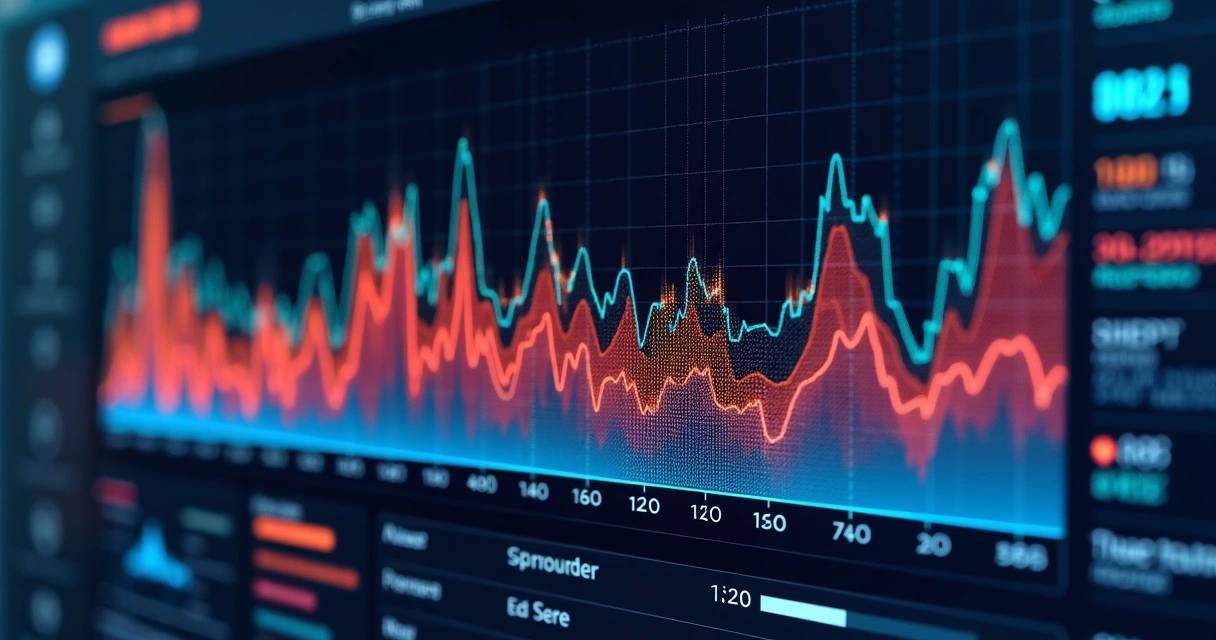
In any of these, I insist that machine learning has already proven more efficient. In fact, customer reports show reductions of over 80% in supply loss events when migrating to intelligent monitoring, as I demonstrate in the study on predictive analysis to prevent supply loss.
Conclusion: is machine learning really better?
In my opinion, yes. Not because it's a "trend," but because only the ability to learn continuously guarantees quick response to the unexpected, with real loss reduction. DROME Predict delivers these benefits using everything I've learned in two decades in the sector: integration, automatic adaptation, dynamic learning, and forward vision.
If you want to transform how you detect and prevent anomalies, I recommend learning how DROME can transform your routine. Talk to our team now and see each difference firsthand.