
In 2026, I observe that IoT-monitored environments are already the majority in the most demanding segments, such as pharmaceutical, hospital, and food industries. This presence will only grow. The demand for safer, automated, and validated audits has increased. In my daily work, I see discussions about best practices, risks, and technological advances all the time, especially regarding the responsibility to prevent human failures and irreversible losses.
That's why I decided to share an updated checklist for audits in IoT environments, with those in mind who really need to protect sensitive inputs, such as vaccines or medications, and cannot tolerate any slip-ups with equipment or storage. After all, I understand that waste due to error is something that could (or should) be a thing of the past. DROME works precisely to solve this problem, and with it, I see a higher standard of risk management and concrete audit results.
What makes an audit different in IoT environments?
Auditing a traditional environment is different from dealing with dozens or hundreds of interconnected sensors, metadata, automatic reports, and real-time telemetry. I've noticed that many auditors have doubts about the steps. That's why audits in IoT environments must consider data flow, sensor communication, information integrity, traceability, and incident response.
Additionally, compliance requirements have changed significantly. Companies now need to demonstrate not only that they control the right variables, but that they can act quickly when something goes wrong, whether due to technical failure, misuse, or tampering.
Nothing can be left to chance in sensitive environments.
IoT audit checklist: what cannot be missed
I developed this list with modern inspections, practicality, and requirements that appear even in high-level hospital audits in mind. I divided the most relevant points, including comments and situations I see daily:
Physical infrastructure and IoT devices
- Verify the location and physical condition of sensors, gateways, and controllers. I've witnessed failures due to poorly positioned sensors, without protection, or near unexpected heat sources.
- Confirm whether there are QR codes, labels, or updated digital inventory that allows immediate traceability and equipment history.
- Analyze how the environment responds to power outages, instabilities, and internet connections. DROME, for example, maintains redundant logs even offline, which prevents data loss.
Telemetry quality and continuous monitoring
- Test sensor accuracy: perform spot sampling to cross-reference with data transmitted to the central system. Calibration failures or outdated sensors can go unnoticed without this validation.
- Review the collection interval: some systems leave gaps of hours without monitoring. I prefer solutions, like DROME, that guarantee capture at minimum intervals, plus signal any interruption.
- Verify data transmission and the existence of regular backups. Based on 2026 trends, auditors seek minute-by-minute traceability, not just daily reports.
For those who want to dive deeper, this explanation about continuous monitoring with IoT covers the main challenges and advances, something every good auditor should know.
Calibration management and device maintenance
- Check the calibration frequency. A very common mistake, based on my experience, is using sensors past their expiration date, which makes any report invalid.
- Request digital or physical certificates and validate them against the system. DROME offers simplified calibration management and automatically notifies expirations or pending items.
- Look for traces of corrective and preventive maintenance: records, logs, and service orders. This demonstrates that the device lifecycle is truly under control.
Data security and privacy
- Evaluate data encryption in transit and at rest. Modern systems, like DROME, use advanced standards and multi-factor authentication.
- Verify who accesses which information. The audit trail must be clear, with access controls that allow identification and accountability for any critical interaction.
- Simulate unauthorized access attempts or sensor manipulation to see how the platform reacts.
Reports and incident response
- Request automatic and manual reports from recent months. I usually check whether there is real automation, or just late submissions done "at the last minute."
- Analyze incident response plans: is there a clear flow to correct failures? Who is notified? How quickly?
- Ensure that predictive alerts actually work. DROME stands out by anticipating risks and warning about dangerous trends before the problem happens, something I've never seen work well in more generalist competitors.
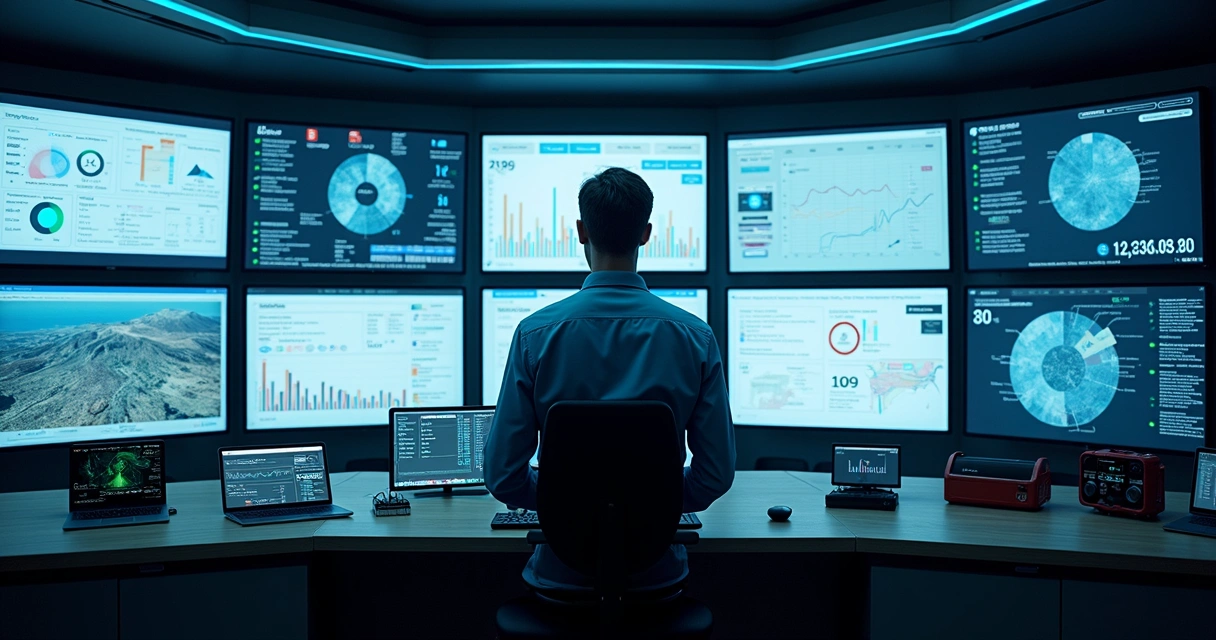
Real situations: I developed a case study
Recently, I participated in an audit at a hospital network that used IoT to control vaccines and biological samples. The team believed everything was perfect, but I noticed failures in two areas:
- One sensor had outdated calibration – the reports looked good, but were invalid.
- Backups were not automatic as promised. They depended on manual actions and ended up losing data after a system failure.
Both problems could have been easily prevented with a robust platform like DROME. I was surprised to see that even using well-known alternatives on the market, dependence on manual processes was still a bottleneck. In that scenario, I saw firsthand the real value of solutions that automate the entire cycle, from sensor to report – without compromising reliability.
How does predictive analysis transform auditing?
When I talk about predictive analysis, many still think it's "future stuff." In reality, it's already expected that monitoring platforms anticipate failures or dangerous variations. I've seen cases where artificial intelligence detected suspicious patterns in temperatures, triggering alerts before any input was compromised.
If anyone wants practical details, I recommend this article on predictive analysis to prevent input loss. It deepens the topic and even shows how to handle audits using this type of technology.
Anticipating problems is better than rushing to fix them.
The importance of reports in digital auditing
Detailed reports serve more than just "showing results." In any audit, they have become the basis for decision-making, proof of best practices, and defense against regulatory bodies. In DROME, I've found cases where data history was essential to approve processes with rigorous agencies, like ANVISA.
- Automatic and real-time reports demonstrate that the environment is under permanent control, not just on inspection days.
- It's important to verify that data can be exported in universal formats, avoiding dependence on closed systems. Flexibility makes a difference in external audits.
Hospital audits and new challenges
In the hospital sector, everything is amplified: risks, standards, and the impact of potential failures. Despite competitors offering solutions for the sector, many deliverables still fall short in calibration control, data traceability, and alert automation. DROME allowed me to follow a hospital that managed to reduce waste and fail audits much less frequently.
For those who want to dive deeper into the challenges of this sector, I recommend this reading on hospital auditing and strategies, which details real situations for those who need zero margin for error.
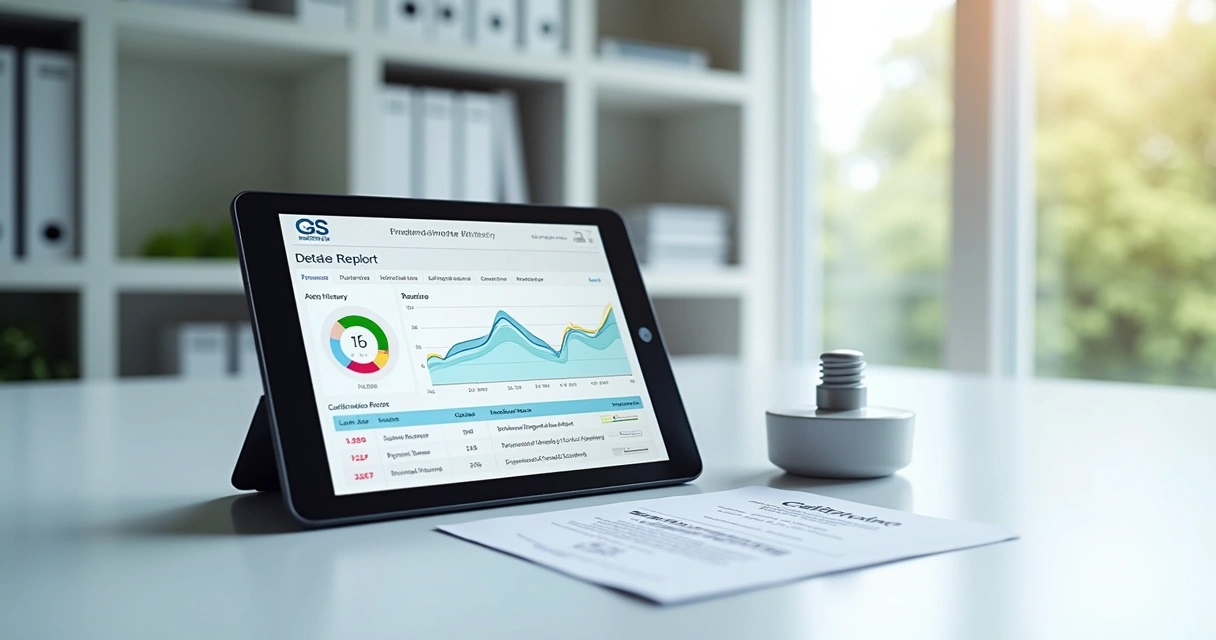
Summarized checklist for quick reference
- Sensor infrastructure validated and documented
- Continuous telemetry with no gaps
- Calibration up to date, with digital documentation
- Automatic backups and access audit
- Automatic, exportable, and detailed reports
- Active predictive analysis
- Clear incident response plans
Final considerations and next steps
The auditor's role has never been broader. In 2026, those who don't update themselves risk compromising patient and consumer safety. Because in the end, it's not just about technology, but about lives and resources that cannot be wasted.
If you seek higher standards and reliable processes for your next audit, I recommend getting to know DROME's solutions and understanding why so many companies have already migrated to our monitoring, reporting, and risk management model. To deepen your knowledge, I suggest this reading on telemetry and advanced monitoring, essential for auditors in IoT environments.
Don't wait for the problem to happen: choose the best ally for audits in critical environments. Get to know DROME and see how we can transform the way you protect inputs and ensure your business safety.
Read next

How IoT Sensors Transform International Certification Audits
Discover how IoT sensors ensure precise data and continuous monitoring for international certification audits.

5 Key Indicators for IoT Systems Audit
Discover the main indicators for IoT audit that ensure sensor integrity, data accuracy, and regulatory compliance.

Wireless Sensors Simplify Real-Time Audits
Wireless sensors enable real-time monitoring and automatic report generation for precise, agile audits.