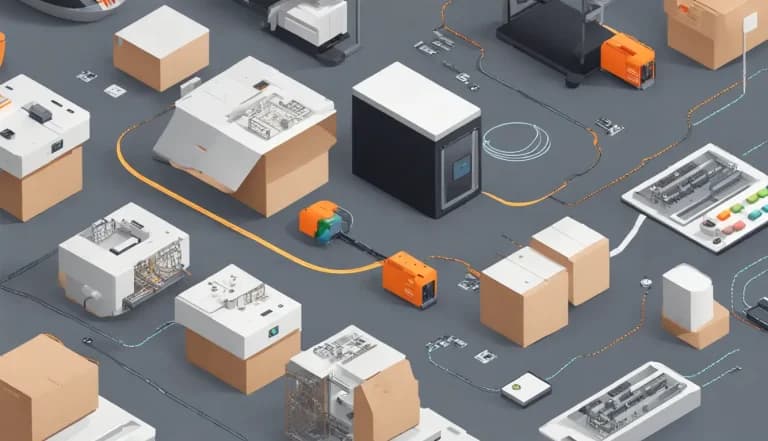
Introduction to Logistics 4.0
Have you ever stopped to think about how Logistics 4.0 is changing the way we manage cold chain operations in Brazil? What are the technologies behind this true revolution? And how can these innovations help address logistical challenges in a country as vast as ours? These are important questions for anyone wanting to understand the future of transporting products that must be maintained at specific temperatures.
Here, you'll discover how Logistics 4.0 is transforming cold chain operations. We'll discuss the crucial role of Big Data and artificial intelligence in this scenario. We'll see how these tools are being used to make transportation more efficient and secure. If you want to know how innovative platforms like DROME are elevating temperature-controlled logistics, stay with us and prepare to explore solutions that are truly changing the game.
What Are the Challenges of Cold Chain in Brazil?
Cold chain operations in Brazil face many challenges that make it difficult to deliver products requiring temperature control, such as vaccines, food, and medications. Let's better understand these challenges and how they can be addressed.
- Climate Variation: Brazil is known for its tropical climate, with high heat and humidity. This means that transporting and storing products requiring specific temperatures can be complicated. Imagine a box of ice cream being transported in an unrefrigerated truck on a hot summer day! This could ruin the ice cream before it reaches the supermarket.
- Limited Infrastructure: In some parts of Brazil, roads are poor and climate-controlled warehouses are scarce. This affects the safe transportation and storage of products. For example, if a shipment of vaccines gets stuck on a pothole-ridden road for too long, the necessary temperature conditions may not be maintained, compromising vaccine quality.
- Team Training: Often, people working in sensitive product logistics lack necessary training. This can lead to errors, such as opening a refrigerated truck door for too long, letting heat in and damaging products. Proper training is crucial to prevent these mistakes.
- Insufficient Monitoring: Without technology to monitor temperature in real time, it's difficult to know if products are being transported correctly. Monitoring systems, such as sensors that send alerts, can help tremendously. They ensure that if something goes wrong, someone is notified immediately and can take measures to correct the problem.
- Regulatory Compliance: Following health and safety standards is essential. If a company doesn't comply with these rules, it can face fines and lose consumer trust. For example, medications not maintained at the correct temperature may not work as intended, putting people's health at risk.
To overcome these challenges, it's important to invest in technology and training. This helps ensure that sensitive products reach their final destination in perfect condition, reducing waste and protecting public health.
Is System Integration the Key?
Efficient cold chain management is crucial to ensure that temperature-sensitive products like vaccines and food arrive in good condition at their destination. In Brazil, with its logistical challenges, integrating systems is one of the keys to success. In this integration, data from different sources, such as temperature, location, and vehicle tracking, come together to improve logistical control.
Let's understand how this works in practice in a simple and straightforward way:
- Imagine having smart sensors inside trucks. They monitor temperature in real time. If something goes out of control, an alert is sent immediately. This is vital, for example, for vaccines that need specific temperatures to maintain their effectiveness.
- Vehicle tracking is another important point. With it, you can follow the path of each shipment live. If a truck deviates from the planned route, the system can automatically redirect it, ensuring deliveries are made on time and under the right conditions.
- Smarter decisions are made when we use data. Artificial intelligence analyzes this information and identifies problems before they even happen. It's like predicting that equipment will break and fixing it before it stops working in the middle of a delivery.
- Automation simplifies and accelerates processes. Instead of a person keeping an eye on every detail, algorithms handle routine tasks. This frees professionals to focus on more complex and critical issues.
- Staying in compliance with regulations, such as ANVISA requirements, is essential. With integrated systems, companies can generate automatic reports, showing they're following the rules and ensuring the quality of products reaching consumers.
By integrating these systems, cold chain logistics becomes more efficient and secure. Innovative tools like DROME show how technology can be used to continuously monitor environmental conditions and help with quick and correct decision-making. With this, there's a huge opportunity to reduce waste and increase confidence in delivering sensitive products in Brazil. The future of cold chain is promising, with technology and innovation going hand in hand.
Impacts of Automation on Sensitive Product Logistics
Automation is transforming how we handle logistics for products that need to be maintained at specific temperatures, such as vaccines and food. This change is essential to prevent losses and ensure product quality until final delivery.
One of the most important advantages of automation is the ability to monitor everything in real time. Think of a truck full of vaccines. Smart sensors check the temperature constantly. If something goes out of control, an alert is sent immediately to the responsible team. This is crucial because even small temperature changes can compromise product effectiveness.
- Intelligent Fleet Management: Automation helps plan better routes and monitor vehicles. With this, companies save fuel and deliver on time. Imagine a system that redirects a truck to avoid congestion, ensuring delivery occurs on schedule.
- Fewer Errors: Automated systems reduce the need for human intervention, which decreases errors. Automatic alerts identify problems that really need attention. This way, the team focuses on what matters, making operations more efficient.
- Regulatory Compliance: Complying with regulatory standards, such as ANVISA requirements, becomes simpler with automation. This not only ensures product safety but also increases customer confidence.
- Integrated Data: Sensors and trackers generate data that is integrated for a complete view of operations. This helps identify problems before they become critical. For example, preventive maintenance on a truck can be scheduled before a bigger problem occurs.
- New Technologies: Technologies like 5G improve communication between devices, allowing important information to be transmitted quickly. This means companies can react faster to any situation threatening product quality.
In summary, automation is the key to improving logistics for temperature-sensitive products in Brazil. With the help of advanced technologies and automated systems, it's possible to minimize failures, increase efficiency, and ensure that delicate products arrive at their destination in perfect condition. The future of cold chain logistics is promising, and automation is an essential part of this evolution.
Conclusion: The Future of Cold Chain in Brazil
Now that you know how Logistics 4.0 is changing the game in Brazil, especially in cold chain operations, it's time to put these ideas into practice. The technologies of system integration and automation are essential for increasing safety and efficiency. With this, you can make more informed decisions and better manage temperature-sensitive products.
The DROME project is a perfect example of this innovation, using IoT and artificial intelligence to continuously monitor product conditions. This allows companies to solve problems before they become critical, keeping medications, vaccines, and food safe from the beginning to the end of the supply chain.
Why not use these ideas to transform your logistics operation? Think about how technology can reduce waste and increase efficiency in your business. Are you ready to adopt solutions that make a difference? Explore further and constantly seek innovations, because the future of cold chain depends on your ability to act. How about starting to implement these changes right now?
Impacts of Automation on Sensitive Product Logistics
Automation is revolutionizing logistics for products that need to be maintained at specific temperatures, such as vaccines and food. In Brazil, this is even more critical, as our cold chain faces many challenges. With technology, it's possible to ensure safer and more efficient deliveries.
One of the main benefits of automation is in fleet management. Automated systems help plan more efficient routes, saving fuel and ensuring faster deliveries. For example, if a vaccine truck encounters traffic, it can be automatically rerouted to avoid delays.
Additionally, automation also enables real-time monitoring. Smart sensors track temperature and other conditions during transport. If something goes wrong, an alert is sent immediately, allowing corrections before products are damaged.
- Error Reduction: With less human intervention, the chance of error decreases. This means employees can concentrate on what really matters, making everything more efficient.
- Regulatory Compliance: Companies using automation can follow rules, such as ANVISA requirements, more easily. This ensures products reach consumers in perfect condition.
- Data Integration: Modern platforms like DROME bring together data from different sources, such as temperature and location. This helps provide a complete view of operations and make quick and accurate decisions.
Communication technologies like 5G and NB-IoT also greatly improve these processes, allowing real-time information exchange. This helps react quickly to any unforeseen circumstances, ensuring product quality. Ultimately, adopting automation in logistics is not just an advancement, but a necessity to ensure cold chain integrity in Brazil.
Read next

Automating Alerts in Complex Logistics Routes
Learn how to configure alert automation to monitor distances, times, and variables across complex logistics routes.
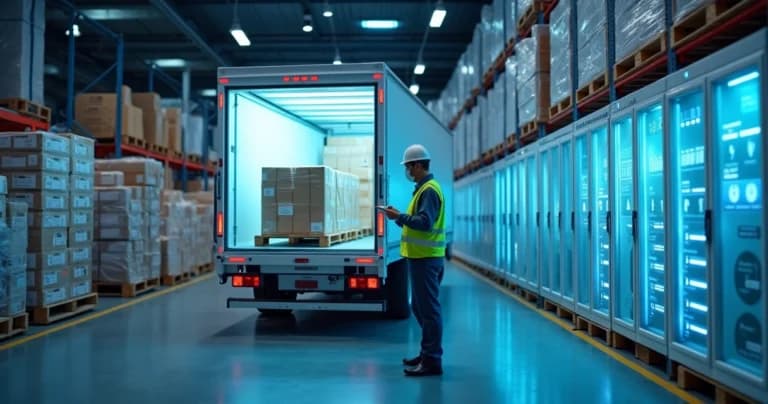
Pharmaceutical Logistics: 7 Critical Challenges for 2024
Pharmaceutical logistics challenges in 2024: temperature control, traceability, and regulatory compliance in Brazil.
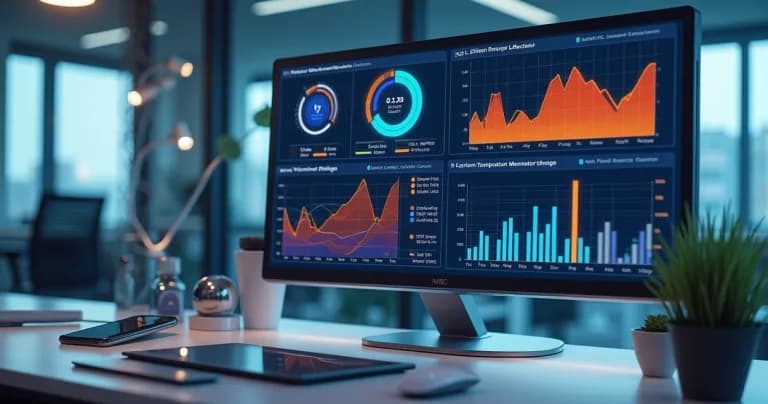
Best Practices for Real-Time Supply Tracking
Discover methods for precise monitoring and loss prevention of temperature-sensitive supplies via IoT and continuous predictive analysis.