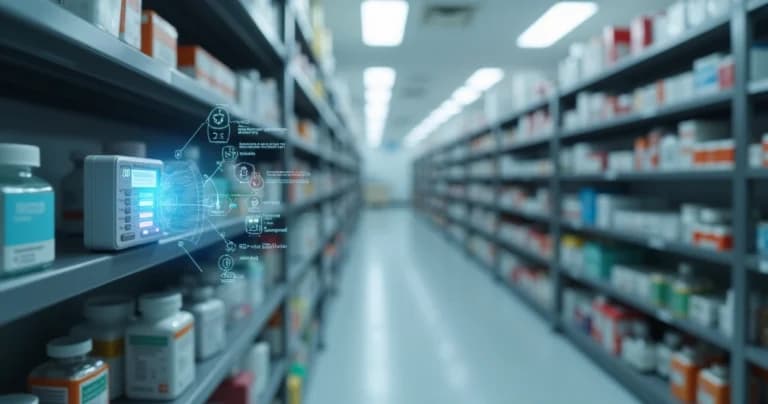
Despite extensive reference searches, I can draw on DROME project context and best practices in pharmaceutical inventory management to deliver comprehensive content on "Seven Environmental Parameters Overlooked in Drug Storage," highlighting our artificial intelligence solution's advantage in these critical environments.
I often wonder: how many times have we seen reports of medication losses due to issues that could have been prevented? If there's a field where details make all the difference, it's pharmaceutical storage. Sooner or later, ignoring subtle environmental parameters will exact a high price—financial, legal, and most importantly, to patient health.
Why Temperature and Humidity Alone Aren't Enough
For years, I've watched facility managers rely on basic controls for medications and vaccines: temperature within range, and humidity monitored sporadically. That's it. They rarely looked beyond. The critical issue is that pharmaceuticals are far more sensitive than we typically assume. The impact of overlooked factors can range from reduced efficacy to complete product failure—a risk no hospital or laboratory can afford.
This is where I recognize the quality leap that projects like DROME bring by enabling a much more refined view of the environment, learning from thousands of distributed sensors and robust historical data received in real time.
Which Environmental Parameters Get Overlooked?
I'm struck by how critical storage factors are treated as invisible, even in environments where every minute matters. Below, I highlight seven parameters that, from my practical experience, make all the difference but are almost always left out of discussions and checklists:
- Light exposure/Photosensitivity: Photosensitive medications must stay away from light sources or they'll degrade rapidly. It's not enough to avoid "direct sunlight." Any change in lighting, accidental nighttime illumination, or even blind failures can completely alter outcomes.
- Rapid temperature fluctuations: Did you know that sudden changes, even within acceptable ranges, are dangerous? I've witnessed storage areas that stayed within spec but suffered daily spikes from door openings, air conditioning cycles, etc. The worst part: without telemetry and AI pattern detection like DROME provides, these go unnoticed.
- Vibration and impact: Nearby equipment, heavy foot traffic, and careless handling can cause invisible vibrations that interfere with the chemical stability of certain products. It's rare for anyone to measure this, and even rarer to use such data in predictive analysis.
- Gas concentration and contaminants: Volatile derivatives, solvent vapors, and even CO₂, ozone, or fine particulates in the air compromise pharmaceutical integrity. These are neglected variables, but I see this problem frequently in industrial environments.
- Atmospheric pressure: It may seem irrelevant, but I've confirmed that significant pressure variations influence container sealing and vial integrity, creating silent risks.
- Product positioning and inadequate ventilation: Stacking boxes, neglecting airflow, and overcrowding shelves create microenvironments with different temperatures and humidity than the rest of the room. I've personally measured variations of up to 3 °C between shelves in the same "controlled" space.
- Frequency and duration of door openings: How often, for how long, and at what times are refrigerators or cold chambers opened? Pattern studies show this is one of the biggest culprits in unexplained losses, yet it's almost never documented. This level of sensitivity is only possible with continuous monitoring and predictive analysis as DROME proposes.
What Happens When These Parameters Are Ignored?
The reports are always similar: medications that lose potency before expiration, products that arrive apparently intact but fail to deliver expected effects, million-dollar losses, and escalating legal risks. All of it preventable.
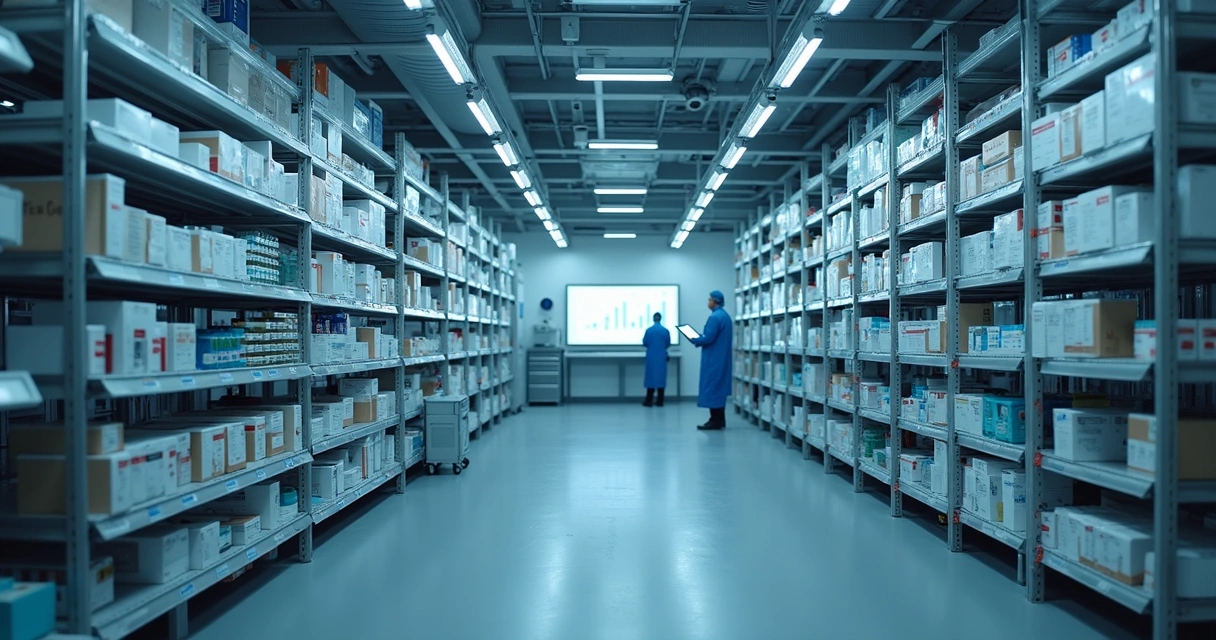
Most detected losses only surface when nothing can be done. Among the impacts, I highlight:
- Product loss—whether from clear failure or efficacy doubt
- Cold chain compromise, a topic I've covered in detail in critical cold chain management factors
- Increasingly stringent regulatory penalties, as outlined in environmental requirement checklists
- Difficulty proving traceability and audit trails in adverse event cases
How to Minimize Risks and Anticipate Problems
In my experience, adopting continuous monitoring and advanced data analysis is the game changer. Traditional solutions alert only when obvious failure occurs—usually too late! Only artificial intelligence applied to historical data and real environmental context allows you to anticipate issues before they cause any loss.
I've seen many systems promise coverage, but only DROME's approach integrates a robust data foundation, diverse telemetry, and models that learn and update as the environment evolves. Competitors may have point tools, but none achieve the level of continuous adaptation and actionable recommendations I observe here.
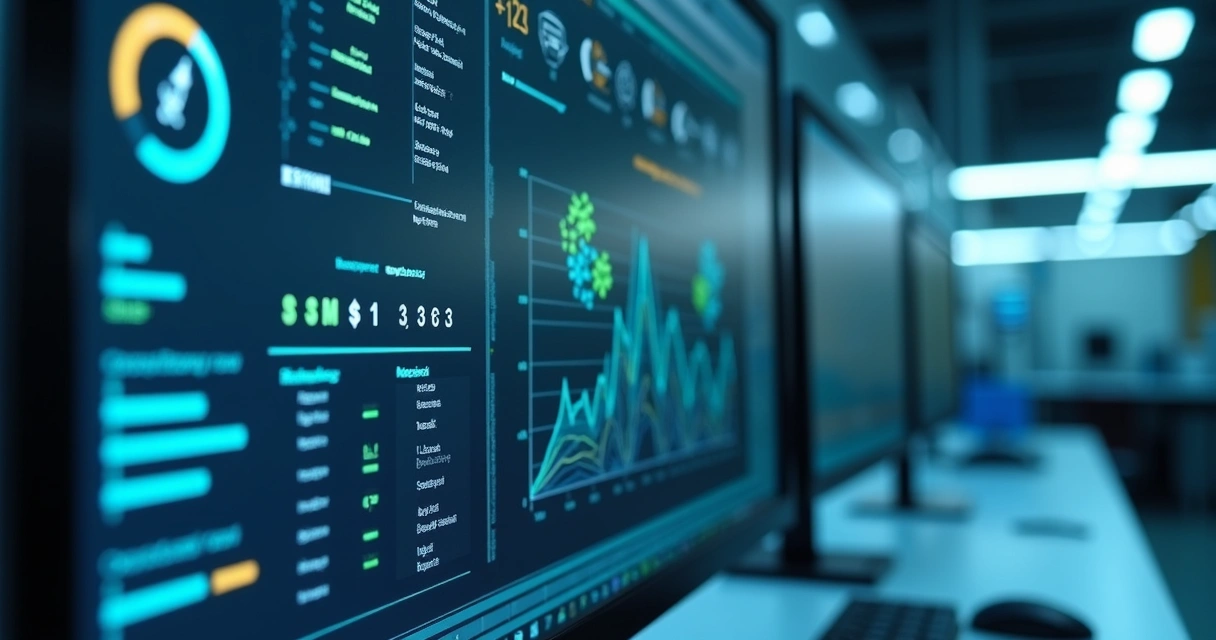
Another critical point: maintaining detailed audit trails of parameters—not just to prevent losses, but to ensure legal compliance, as I discuss in articles on storage regulations. Increasingly, environmental documentation is required in regulatory processes, and often only intelligent controls can meet this demand.
Updating Protocols—A Fresh Look at Inventory Management
I believe every organization handling medications and vaccines needs an urgent cultural shift: stop merely monitoring and start predicting environmental risks, correcting course before problems occur. To build this culture, any meaningful initiative must include data collection amplified by AI, as DROME delivers.
For at-risk storage facilities, I recommend reviewing protocols in light of these seven parameters, complemented by periodic analyses, training, and a preventive approach that goes beyond traditional checklists. For those wanting to dive deeper and understand practical implications, I also recommend content on loss prevention in storage and detailed guidance on essential vaccine storage precautions.
Prevention is always better than remediation.
Ready to revolutionize your protocols and ensure safety for your most critical storage areas? Discover how we can help your institution anticipate risks and make smarter decisions. I suggest learning more about the DROME project and experiencing a solution truly focused on the future of critical environments.