
Not long ago, I heard a logistics manager tell how a simple air conditioning failure overnight resulted in the disposal of thousands of dollars in vaccines. Imagine seeing that loss in your company, knowing it could have been prevented. It made me think about how monitoring environmental data is crucial to prevent inventory losses, especially when dealing with sensitive materials.
Why does environmental control matter so much?
It seems obvious, but if you, like me, have seen products lose potency due to small temperature variations or humidity spikes, you know this problem is more frequent than it should be. Such losses not only affect the bottom line but, in the case of medications and vaccines, can even harm public health.
Simple environmental instabilities can cause major losses.
Based on this scenario, I've been increasingly discussing automated systems, like DROME technology. Such solutions can prevent losses by acting in real time, without relying solely on the human eye, which we know fails due to fatigue or routine.
This is a challenge that isn't just mine. Many companies try to track this data manually, but I've seen inconsistent reports, miscalibrated sensors, and alarms offline. And if there's one lesson I've learned in twenty years in this field: environmental data analyzed continuously saves inventories and reputations.
Which environmental data really makes a difference?
Now, getting straight to the point, I'll share the main environmental parameters that, in my view, cannot be missing from the monitoring routine of anyone wanting to prevent inventory losses:
- Temperature
- Relative humidity
- Light exposure
- Gases and contaminants
- Various other external or internal factors
I'll explain each one the way I usually do in consulting and training sessions, bringing real examples I've witnessed.
1. Temperature: the great villain or hero
What I see causing losses most often is temperature outside the limit. Pharmaceutical products, perishable foods, and vaccines have rigid temperature ranges. A variation of just a few hours can condemn weeks of work.
In DROME, our monitoring not only tracks the environmental average but identifies rapid spikes and drops. This makes a difference: it alerts before a product even begins to degrade. I've seen some competitors invest in similar solutions, but our differentiator is predictive analysis, which forecasts failures based on patterns, not just reacts to problems.
2. Relative humidity: more dangerous than it seems
Many people underestimate humidity, thinking it only matters in book warehouses, for example. But it doesn't. High or low humidity directly interferes with the stability of countless materials – from tablets to dry foods. I've witnessed contamination due to mold in poorly monitored storage, which destroys entire batches.
For those wanting to understand more about humidity effects, I suggest an article on the blog about the importance of humidity control in the cold chain. It's an interesting deep dive for those wanting practical proof.
3. Light exposure: the silent enemy
I'll admit that for many years, I didn't worry much about light in storage areas. But I've witnessed insulin batches losing potency from light exposure, plus some foods that oxidized far too quickly.
The big secret? Monitor light incidence in storage locations and correlate it with temperature spikes or periods of unnecessary exposure. Integrating this into automatic alerts was a sound decision in DROME – something few systems on the market do so simply.
4. Gases and contaminants: the least remembered
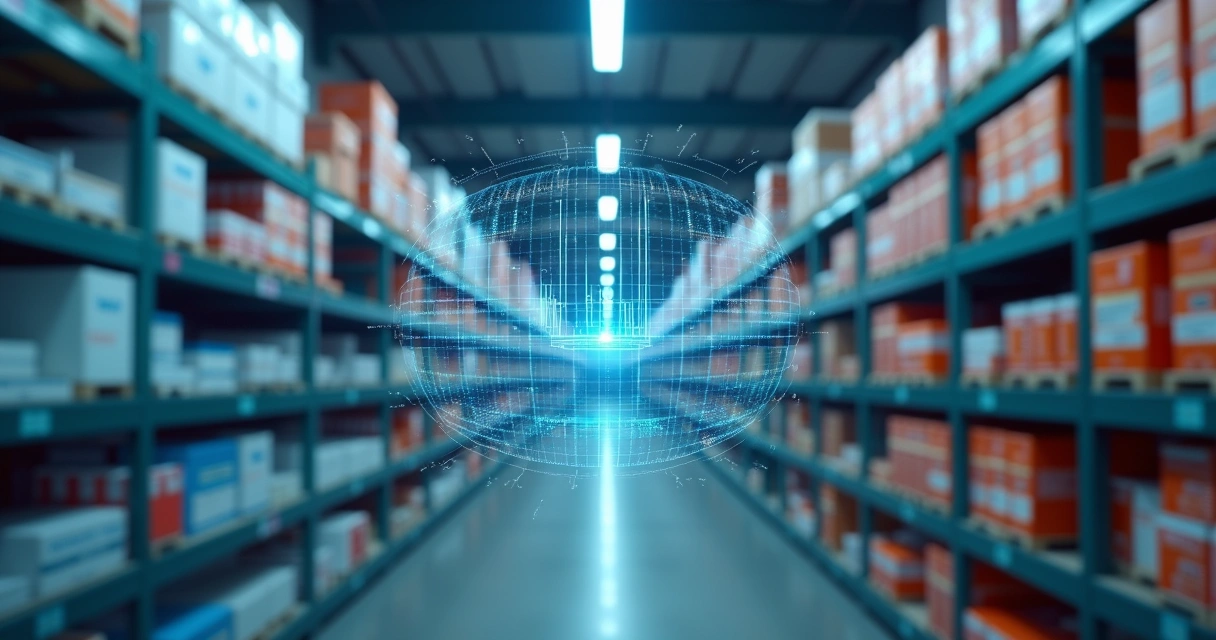
The other day, visiting a distribution center, I smelled a chemical where it shouldn't be. A contamination was discovered that only became visible weeks later. Gas sensors could have prevented the loss. Monitoring ammonia, CO2, goes beyond temperature and humidity, and can be the differentiator for those storing truly sensitive materials.
Today I see some systems pointing to measuring these gases, but they often fall short by not truly integrating with other environmental data or by using only low-cost, less reliable sensors. In DROME, reports are integrated and validated for audits, with sensor calibration indicators that really give confidence to act in time.
How to choose a truly reliable monitoring system?
Many people reach out to me saying they've tried competing systems but encountered difficulty with false notifications, unmaintained sensors, or poor integration with reports. This often leads some companies to give up early, relying only on manual routines – and returning to the risk of human error.
In my view, the system needs to be flexible, simple to use, and most importantly, predict failures before they cause damage. I see DROME as an ally because, beyond continuous analysis, it learns patterns and alerts the manager before a possible failure. This predictive monitoring, for me, is what separates an innovative platform from merely operational ones. I even have an article that explores this topic for those wanting to know more about predictive analysis to prevent material loss.
Competitors even offer automatic alerts, but I rarely see such complete integration with detailed report generation and sensor calibration support. Anyone who has gone through audits (like me) knows this makes all the difference.
Sensor calibration: a detail that makes a difference
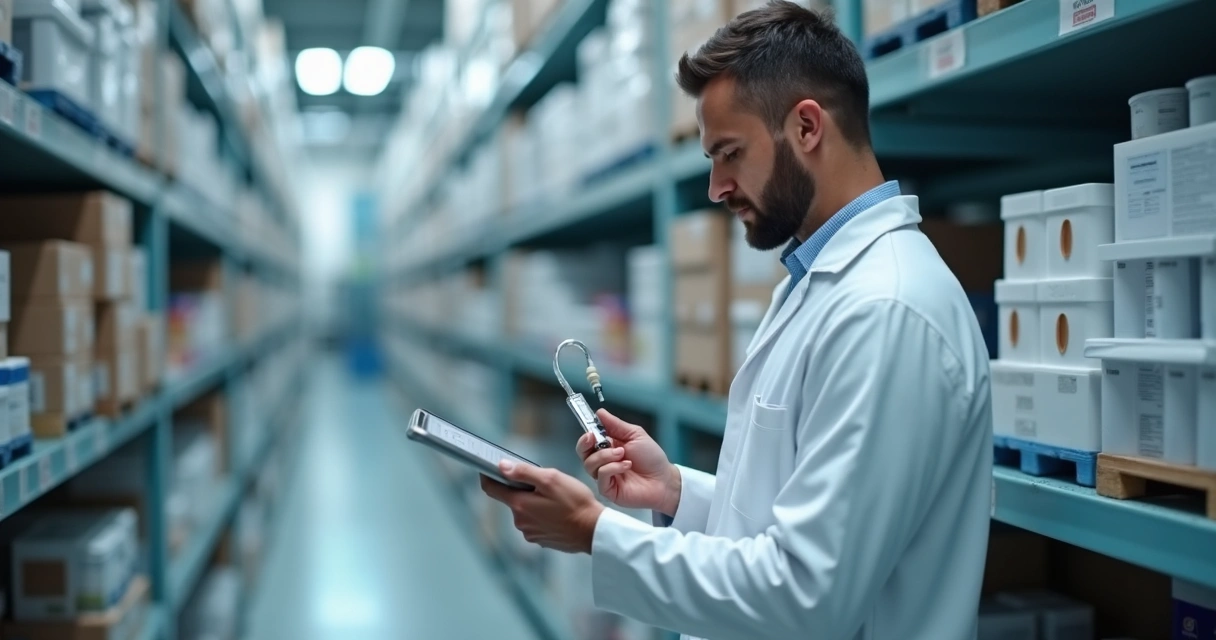
There's no point monitoring if sensors are out of adjustment. I myself have seen reports questioned by auditors precisely because there was no proper maintenance.
You need to track when and how each sensor was calibrated. DROME includes this management in the system itself, reducing the risk of errors – and avoiding audit headaches. I recommend reading the practical guide on sensor calibration for those with questions about frequency, documentation, and best practices.
How does this data fit into the loss prevention cycle?
In my experience, the ideal cycle follows these steps:
- Continuous and automatic monitoring of all critical variables
- Accessible reports for quick analysis and audits
- Predictive alerts, warning of problems before loss occurs
- Regular sensor calibration maintenance
It's not complicated, but it depends on discipline in implementation and choosing the right tools. The monitoring routine requires consistency, something only good automation guarantees.
To learn more about how such systems have changed the reality of pharmacies and hospitals, I recommend close attention to content like how monitoring technology revolutionizes pharmaceutical management. That way, it's easy to see the difference in daily operations.
What risks do I run if I don't monitor correctly?
I always warn managers that ignoring or relaxing environmental control can bring:
- Recurring financial losses
- Unexpected stockouts
- Audit questioning
- Public health risks
- Loss of market credibility
Prevention always costs less than repairing losses.
How to stay informed and care for your inventory?
My number one tip is not to get comfortable. If you've already started monitoring, review routines and sensors. If you still depend on manual records, research better solutions. I see a lot of relevant information about environmental monitoring in storage facilities available online, so it's never been easier to take this step.
The central point is: the more reliable environmental data you have, the lower your chances of unexpected losses. With DROME, it's easy to gather, analyze, and act on this data – bringing peace of mind to those who need predictability and security.
Conclusion: The next step to protect your inventory
You've seen that monitoring temperature, humidity, light exposure, and gases is key to preventing losses in sensitive storage. Add to this the care for sensor calibration and the choice of a truly complete platform – like DROME – and your company will be well ahead of common industry risks.
If you want to ensure your operations don't stop because of the unexpected, I recommend learning more about our solutions and starting the revolution in your environmental control now. That way, your losses will be a thing of the past.
Read next
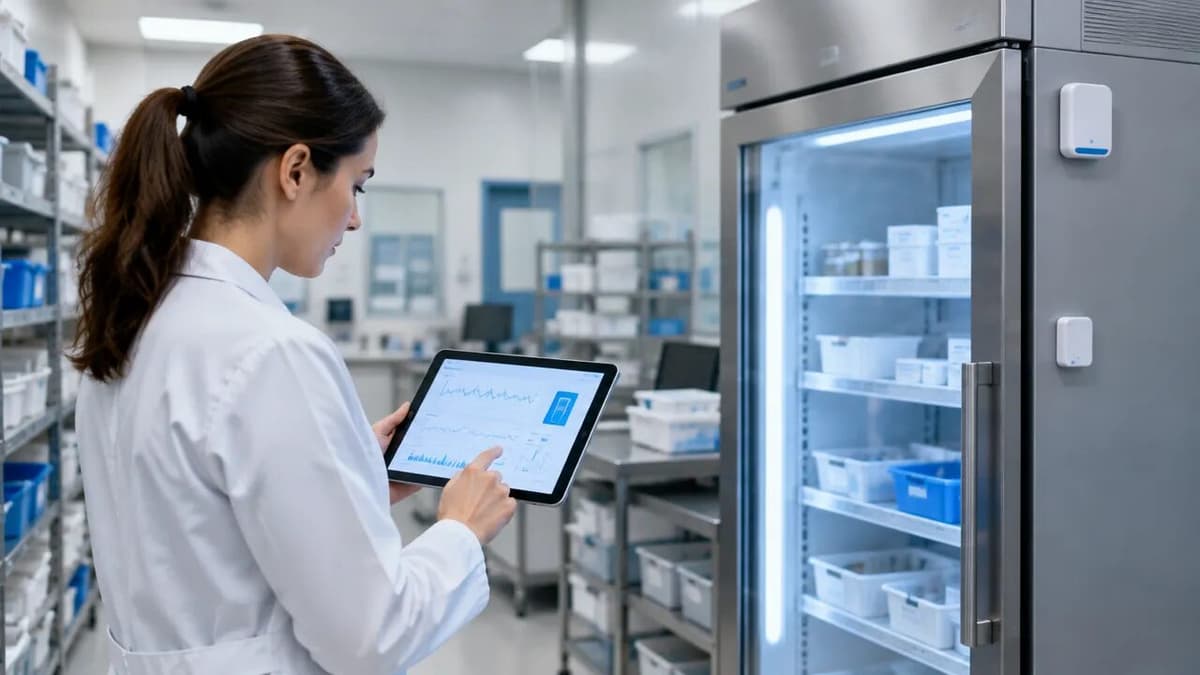
Multimodal Monitoring: Signals That Anticipate Failures
Learn how to cross-reference temperature, current, and door status from refrigerators and cold storage units, validate operational context, …
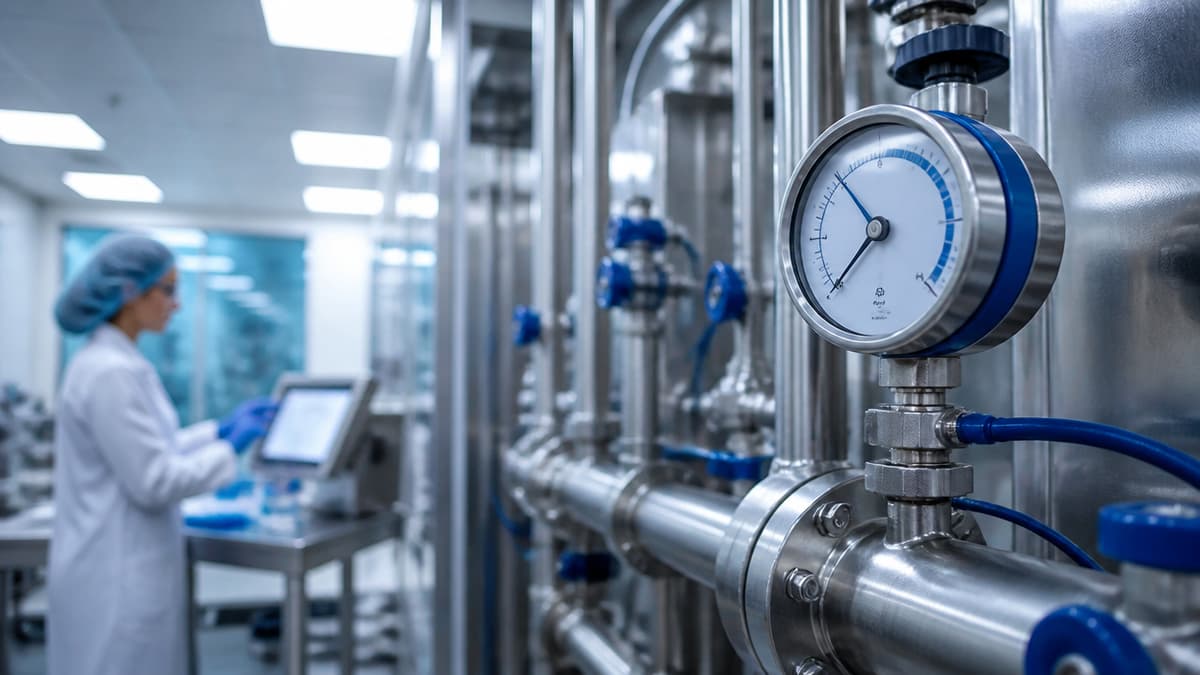
Pressure Deviations: How to Interpret in Critical Areas
Learn to interpret pressure deviations in critical environments, identify probable causes, and respond with greater speed, safety, and opera…
Multimodal Monitoring for Maintenance Decisions
Learn how to correlate temperature, current, and door opening data, align readings over time, and validate alerts to decide when to investig…