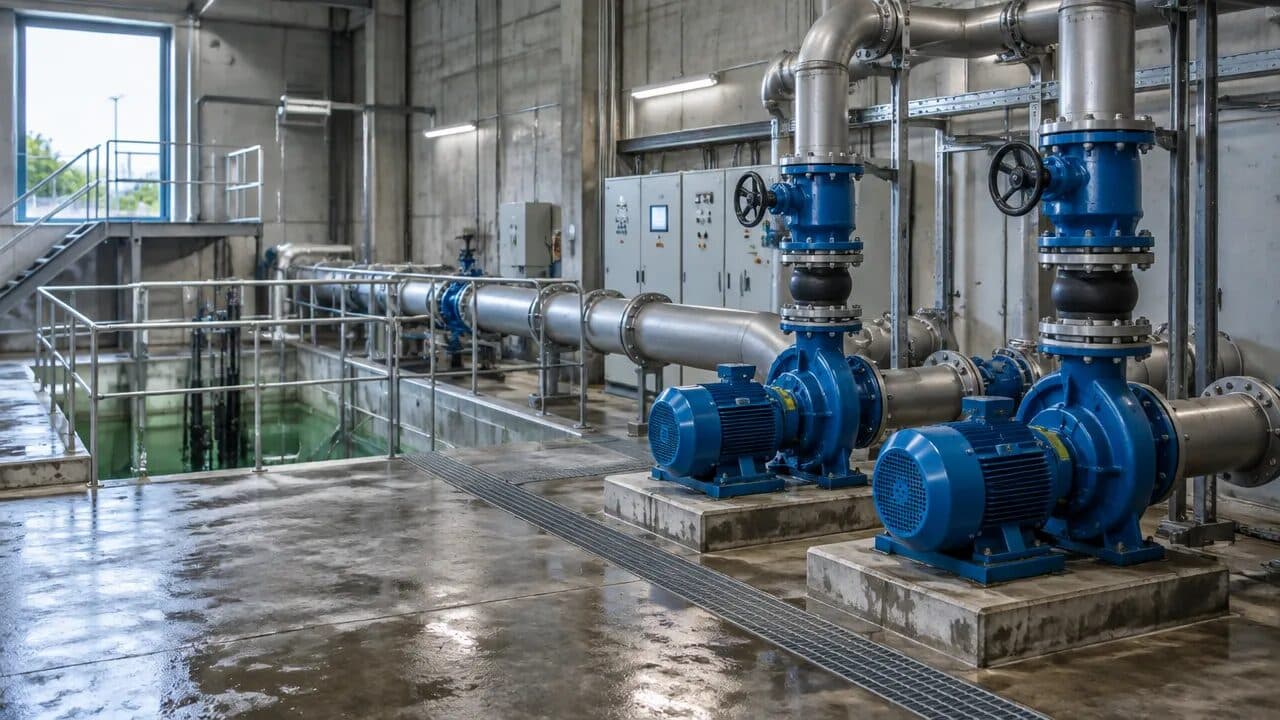
In a lift station, a pump can continue operating while its behavior changes: the motor draws different current, discharge pressure shifts, or cycles become more frequent. Predictive maintenance helps detect these changes and launch an investigation before shutdown. For maintenance, engineering, and procurement teams, the key is distinguishing an alert signal from a confirmed diagnosis.
What to observe before scheduling an intervention
- Compare current and pressure against the same pump set's history, not just a generic limit.
- Relate readings to runtime, startups, and switchovers between primary and standby pumps.
- Treat an anomaly as a reason to investigate, not proof of a specific cause.
- Validate sensors, installation, communication, and safety before considering field deployment.
The pump reveals changes before it stops, but doesn't explain the cause
Current, pressure, and operational behavior can indicate that the pump set has left its normal pattern. A persistent change deserves evaluation, even if no alarm threshold has been crossed. The value of monitoring lies in comparing the equipment against itself, under its typical operating conditions.
Different current may accompany changes in load or electrical condition. Discharge pressure outside expected behavior may relate to hydraulic changes. More frequent starts or longer cycles can also reflect shifts in demand, control, or pump performance.
These signals don't isolate a cause. An out-of-pattern reading may result from obstruction, wear, air entry, changes in well level, check valve problems, or electrical failure. The team must cross-reference data with the process and confirm hypotheses through inspection.
Threshold alarms, trend analysis, and prediction answer different questions
A threshold alarm warns when a variable crosses a set value. A trend shows the variable progressively drifting from its historical behavior. Predicting failure requires linking patterns to known failure modes and estimating when intervention may be needed.
| Approach | What it indicates | What it doesn't prove |
|---|---|---|
| Threshold alarm | A reading crossed a defined value. | That the pump failed or which component caused the change. |
| Trend analysis | A variable drifted from history over time. | That the change will end in failure or when it will occur. |
| Failure prediction | A known pattern may indicate risk and guide an inspection window. | A confirmed cause without technical verification. |
In practice, threshold alarms are useful for conditions requiring immediate response. Trend analysis provides context for planning inspections. A prediction should only guide decisions when the team understands the data used and validates model performance for that asset and process.
Simultaneous changes in current and pressure guide investigation
Consider, as a hypothetical scenario, a pump that now shows current different from its history and lower discharge pressure. If cycles have also changed, it's worth checking when the change began and whether it coincided with shifts in well level, demand, or standby pump operation.
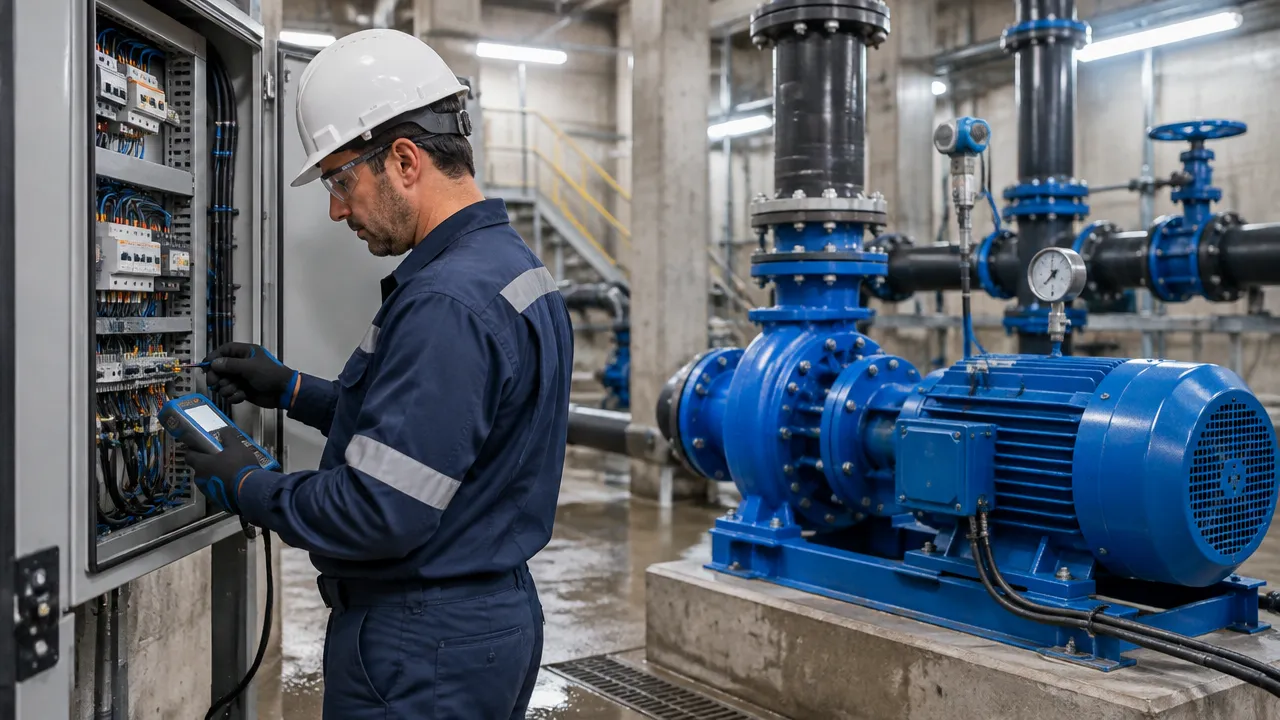
The team can check the panel and electrical conditions, inspect the discharge line and check valve, look for signs of obstruction, and compare operation against maintenance records. If flow or level measurement is available, these variables help separate a demand change from a change in pump performance.
This routine does not claim that any combination of signals corresponds to a specific failure. It organizes the investigation and prevents replacing a pump simply because a sensor recorded an anomaly. Confirmation depends on measurements and inspections appropriate to the equipment.
Application depends on compatibility and site conditions
Before specifying instrumentation for a lift station, it's worth surveying how each signal will be measured and what conditions the sensor will face. Electrical compatibility, measurement range, installation, moisture exposure, and environmental agents must enter the technical evaluation.
- Confirm electrical interface, available signal, and installation method on the motor and existing instrumentation.
- Evaluate enclosure and environmental protection based on actual exposure at the measurement point.
- Verify communication coverage within the station and between equipment and transmission point.
- Identify whether the location has classified area requirements and which devices can be used.
- Define who receives alerts and how the team documents inspection and results.
The federal page for basic sanitation services compiles administrative categories but does not document maintenance system performance. Therefore, it does not serve as evidence of sensor compatibility or results in lift stations.
How DROME devices could participate in data collection
As a possibility subject to technical evaluation, the Satellite Sensor SDT can be considered to capture current, while the SAD handles 4–20 mA signals, such as those from compatible transducers. The Concentrator CTD can integrate signals via Modbus and forward data through cellular communication; its temporary storage allows it to retain readings during connection interruptions, per applicable configuration.
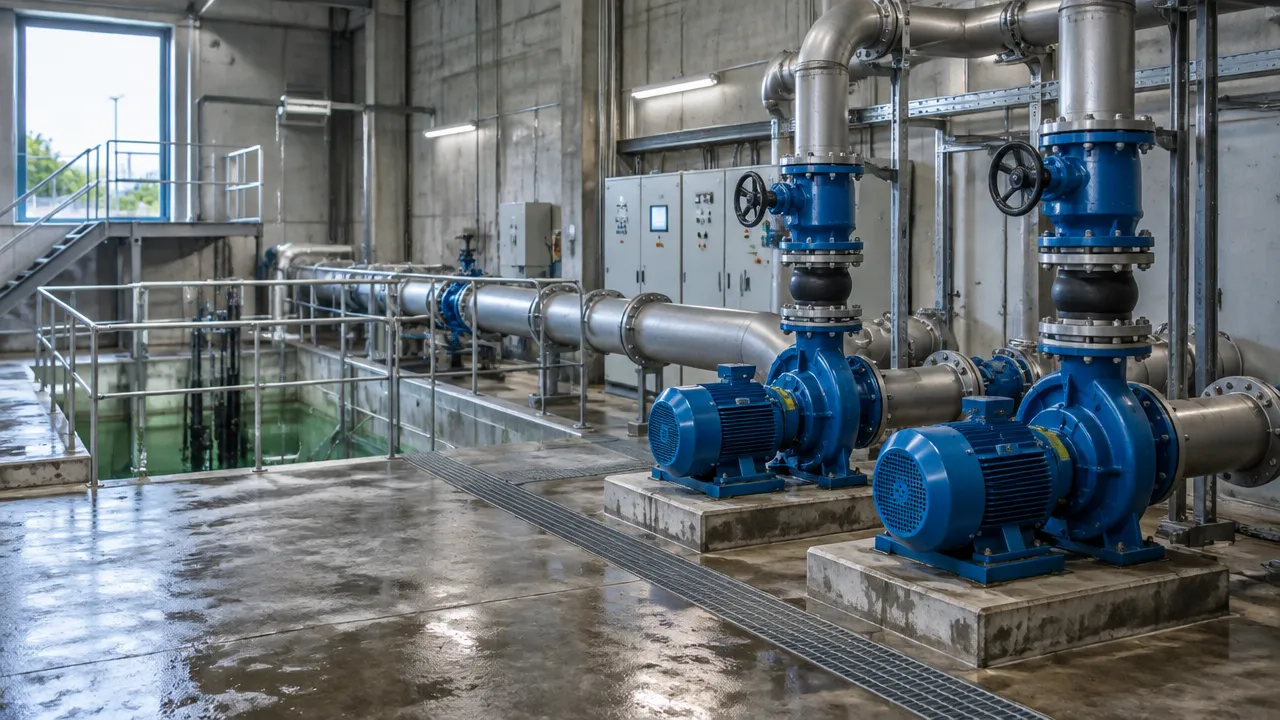
This architecture describes ways to capture and transport signals. It does not confirm, by itself, the cause of an anomaly or prove DROME deployment in sanitary sewage systems. Compatibility analysis must consider motor model, transducers, available protocol, environmental protection, connectivity, and site safety requirements.
For procurement, the specification should request evidence of suitability for the measurement point and define how the team will validate alerts during operation. For maintenance, the first step is establishing reliable history per pump and recording what inspection found after each deviation.
Frequently asked questions
How does predictive maintenance work in a lift station?
Predictive maintenance uses operational data to identify changes in pump behavior and guide inspection before shutdown. In a lift station, the team can compare motor current, discharge pressure, cycle duration, and startup frequency against the equipment's own history. These signals indicate when to investigate, but don't determine the cause alone.
Which signals help anticipate failures in sewage pumps?
It's worth monitoring motor current, discharge pressure, and operating pattern, such as cycle duration and number of starts. When available, well level, flow, and standby pump status help interpret context. The value lies in relating variables over time, not treating each reading in isolation.
What's the difference between threshold alarm, trend analysis, and failure prediction?
A threshold alarm warns when a reading exceeds a set value. Trend analysis identifies persistent changes from asset history. Failure prediction requires a model capable of linking patterns to failure modes and estimating an intervention window. These are distinct levels of interpretation and evidence.
Can a sensor alone identify the cause of failure?
No. A change in current or pressure shows the behavior warrants investigation, but may have multiple explanations. Obstruction, wear, air entry, hydraulic change, or electrical problem are hypotheses to verify. The team must cross-reference data with inspection, local measurements, and operation records before confirming diagnosis.
Can DROME be applied in sewage lift stations?
DROME architecture can be evaluated to collect current with Satellite Sensor SDT, 4–20 mA signals with SAD, and data integrated via Modbus in Concentrator CTD. Application in sewage depends on electrical compatibility, environmental protection, communication, and classified area requirements. This does not prove DROME deployment in this type of station.
Read next

Industrial Gas Leaks: Predictive Detection & Risk Mitigation
Learn how sensors and predictive analytics detect industrial gas leaks, preventing accidents and ensuring operational safety.

Analyze Seasonal Trends & Forecast Cold Chain Demand
Discover how to identify seasonal patterns and adjust forecasts to reduce losses in cold chain management with precise data.

RDC 275: Essential Standards for Food Safety
RDC 275 is essential for standardizing sanitary inspections and ensuring safety in the food sector.