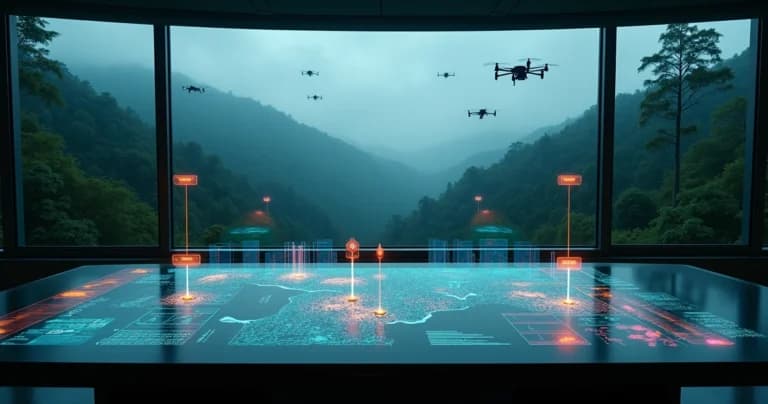
Throughout my years working with technology and sustainability, I've witnessed how artificial intelligence (AI) has transformed our approach to environmental risks. Where once we could only repair damage, today I can detect—and even anticipate—dangerous deviations. For those working in sensitive sectors, this makes all the difference.
The Challenge of Undetected Environmental Deviations
Imagine a biomedical laboratory blindly trusting sensors to protect expensive materials. Or consider a pharmacy concerned about regulatory fines and health risks because a cold chamber lost temperature overnight. I've witnessed such cases. Almost always, the cause is simple: traditional systems only alert after the problem has already occurred.
"When the alert arrives too late, the damage is already done."
The central challenge is transitioning from real-time monitoring to a truly predictive approach. It was in this context that I encountered the architecture proposed by Drome Predict: here, simply reacting is not enough. You must anticipate.
How Artificial Intelligence Transforms Remote Diagnosis
In my research and consulting work, I've observed that many believe simply activating sensors is sufficient. But AI goes far beyond simple automation. It learns patterns, recognizes trends, and alerts before situations spiral out of control.
The major advantage of artificial intelligence in remote diagnosis is its ability to anticipate deviations before they cause real damage.
In the Drome intelligent system, data from numerous sensors (temperature, humidity, pressure, and more) generate a solid historical foundation. AI operates on three fronts:
-
Spike detection: Identifies sudden changes, even minor ones, that deviate from normal patterns for that equipment.
-
Drift detection: Flags gradual and subtle changes that typically go unnoticed until they become a major problem.
-
Violation prediction: Estimates the actual probability of a threshold being exceeded, enabling preventive and planned action.
These capabilities apply from the moment installation begins operating. Drift detection, however, requires approximately 30 samples to calibrate the system, and it's remarkable how quickly it learns.
Key Benefits of Intelligent Diagnosis
Over time, I've observed how AI has expanded the horizons for companies dependent on rigorous environmental control. For those who haven't yet experienced this reality, I highlight the practical benefits I most frequently see deliver results:
-
Prevents material and financial losses by enabling action before products are lost or quality is compromised.
-
Reduces rework and waste, creating a safer and more efficient environment.
-
Ensures regulatory compliance without stress, since every step is documented and auditable.
-
Facilitates remote management, including in hard-to-reach locations, eliminating the need for frequent on-site rounds.
-
Strengthens brand reputation with customers, regulatory bodies, and the market.
AI works alongside the professional, amplifying their capabilities and vision of the monitored environment.
Remote Diagnosis and Automation: A Perfect Match
I found on the Drome blog (remote environmental monitoring) reports on how intelligent technologies transformed the landscape for mobile laboratories. This example is not isolated.
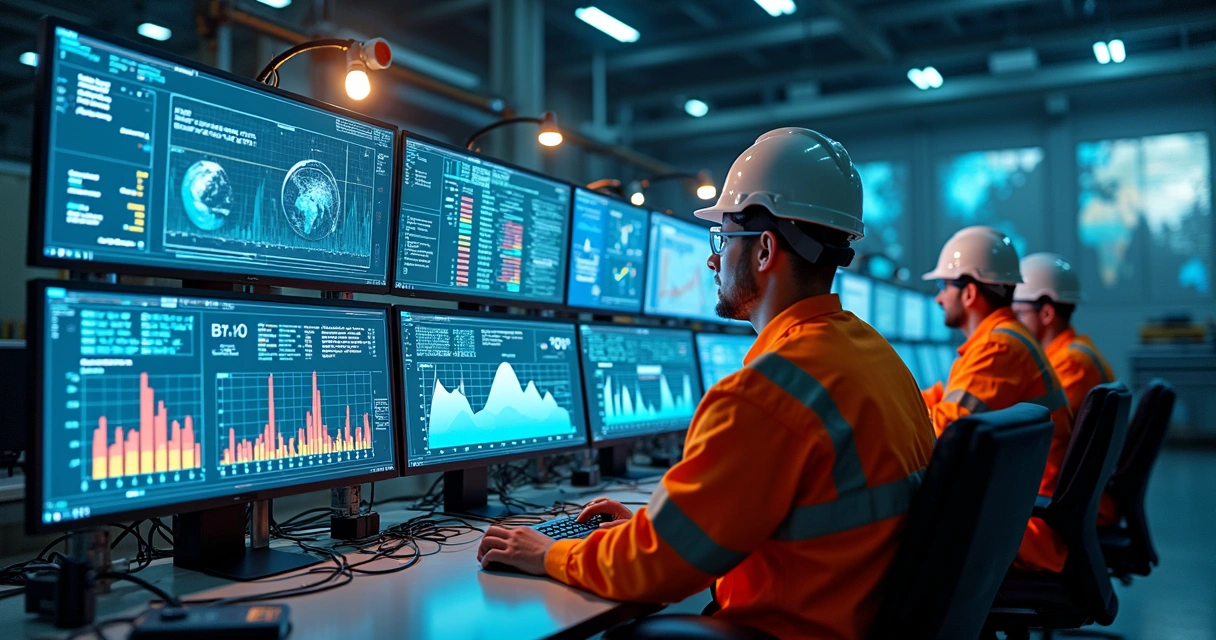
With robust connectivity, predictive algorithms, and detailed reporting, remote diagnosis becomes simpler for the user. There's no need to interpret complicated graphs or understand statistics: AI translates data into clear alerts and practical guidance.
What Differentiates Drome Predict from Other Solutions?
In market research, I find companies attempting to deliver part of what we do: some promise alerts, others even mention AI, but remain limited to post-event analysis or depend on numerous manual adjustments. Drome, with its technical analysis of a unique database of labeled data and over 450,000 events, starts from a point of maturity and depth that is rarely seen.
Among the differentiators I consider most relevant:
-
Rapid automation, without the need for "endless training" or recurring adjustments by your team.
-
Adaptive learning: the system learns from the history of your own environment, not from generic databases or simulated scenarios.
-
Simple, objective, and actionable information, without noise or excessive false positives.
-
Native integration with other systems and dashboards—something I rarely see in competing platforms that remain trapped in closed applications.
Predictive detection is only real if accompanied by fast and reliable response.
This model stands out primarily by enabling "fine-tuned" personalization in each deployment, creating truly useful alerts. It's no wonder that customers who used alternatives previously report the difference—both in daily operations and on the bottom line with cost reduction (see more in the content on data analysis to predict temperature deviations).
The Importance of Safe Disposal and Sustainability
In the lifecycle of sensitive materials, intelligent detectors actively participate in disposal planning. In sectors like pharmaceuticals, any deviation requires rapid and documented action, including to prevent environmental impact. The use of AI, as I see in the Drome blog on safe disposal, reduces legal and environmental risks.
Predictive diagnosis opens new paths for sustainability in companies that truly prioritize safety and transparency.
Applications I've Seen Growing in the Market
In industrial, laboratory, and food sectors, I've noticed how AI application has shifted from trend to standard practice:
-
Control of industrial and pharmaceutical refrigeration units
-
Humidity monitoring in controlled environments
-
Management of warehouses and sensitive natural resources
-
Remote supervision of agricultural zones and production lines
Additionally, for sectors like clinical laboratories, integration with IoT and AI is already detailed in an article on deviation prevention that I strongly recommend.
Conclusion
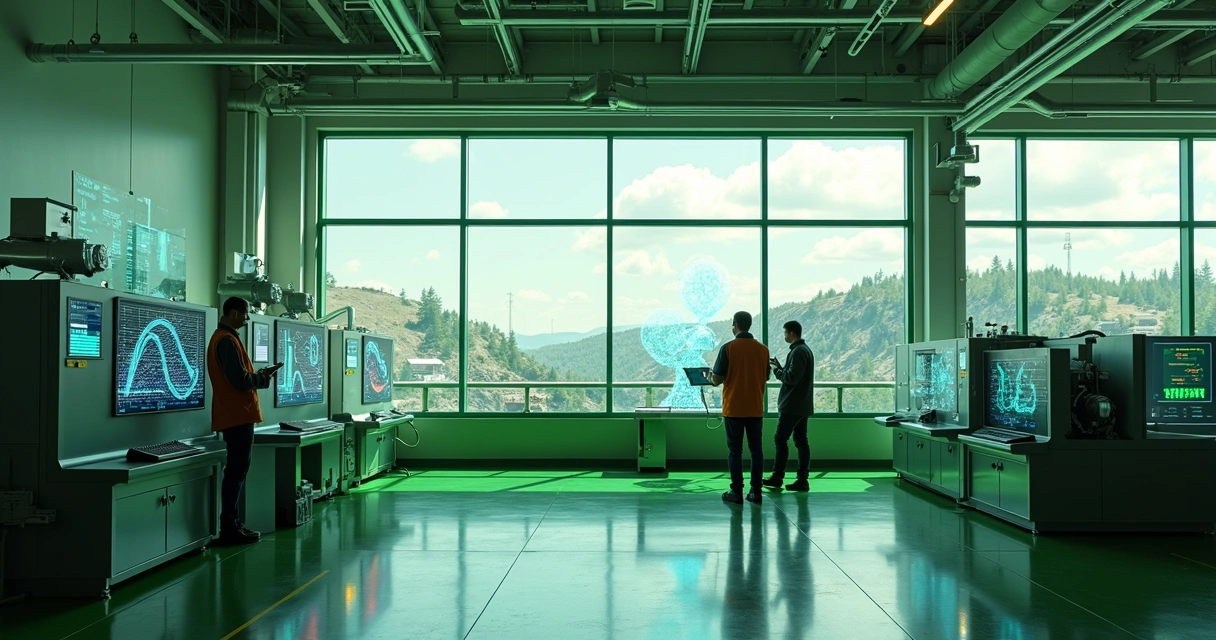
Over the past two decades, I've participated in various environmental diagnosis projects. Few have shown advancement as rapid as what I've witnessed with AI, particularly with Drome Predict. This is not merely about technology, but about transforming data into safety, confidence, and value for those who cannot afford to take risks.
If you seek to protect people, assets, and reputation, I recommend exploring Drome's artificial intelligence solutions. The difference between reacting and anticipating is closer than you imagine. Try it now and see how your environmental management can evolve to the next level.
Frequently Asked Questions
What is environmental artificial intelligence?
Environmental artificial intelligence is the use of advanced computational systems to monitor, analyze, and predict environmental conditions remotely. It enables anticipating risks such as temperature deviations, humidity changes, or other critical factors in laboratories, industries, and other sensitive areas.
How does AI identify environmental deviations?
AI compares current sensor data with the location's history and detects unusual patterns or dangerous trends. This allows it to flag anomalies or predict possible violations before they occur, enabling preventive action based on reliable forecasts.
What are the benefits of remote diagnosis?
Remote diagnosis enables real-time and predictive monitoring without the need for constant on-site visits. It reduces losses, minimizes regulatory risks, increases safety, and saves resources through early alerts and intelligent monitoring automation.
Where can AI be applied to environmental monitoring?
Environmental AI can be used in cold chambers, laboratories, warehouses, industries, agricultural stations, and any location where it's important to maintain strict environmental conditions. It's also useful for safe waste disposal and sustainable control of production processes.
How much does it cost to use AI for this service?
Cost varies depending on company size, number of sensors, and degree of customization needed. Solutions like Drome Predict guarantee excellent return on investment because they prevent significant losses and improve management. I recommend consulting the Drome team for a proposal suited to your situation.