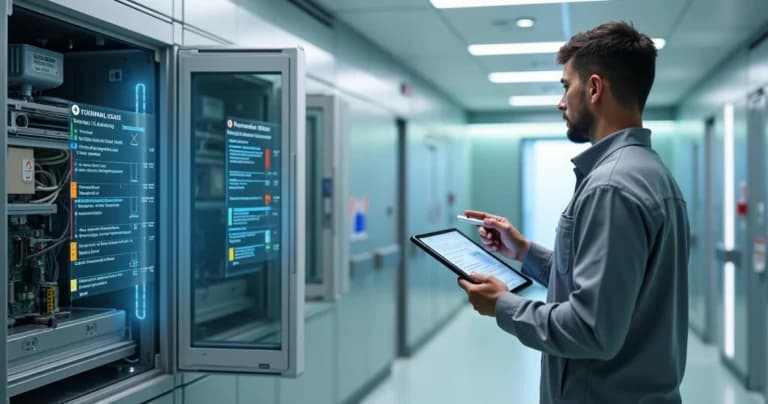
In my experience monitoring critical environments, I notice that one of the most common questions is: "Was this a human error or a technical failure?" And it's not a trivial question. Understanding the root cause of an adverse event is the foundation for preventing recurrence, preserving lives and resources, and of course, ensuring operational peace of mind. I see this daily when analyzing incidents in hospitals, laboratories, and large enterprises where DROME operates.
Why is differentiation so relevant?
It's natural to think that identifying the culprit is the main objective, but in reality, the focus should always be prevention. If it's a recurring human error, adjustments in training, procedures, or culture can resolve much of the problem. If it's a technical failure, the solution often involves repairs, modernization, or better monitoring.
Knowing the difference changes the solution.
I notice that many managers, through lack of knowledge, end up relying only on reactive responses. That's why I'm sharing here 7 points I typically observe to distinguish one type of occurrence from another, bringing examples and valuable tips that I apply with the support of DROME's AI solutions.
Symptoms and causes: the first step
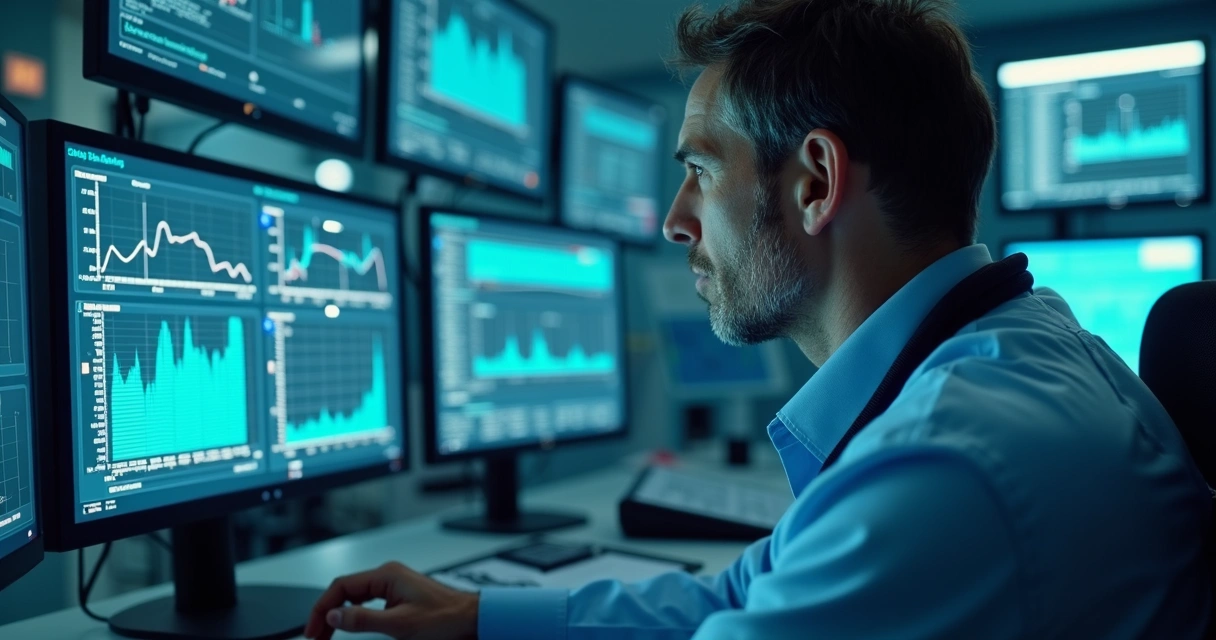
In my daily work, I typically start by separating symptoms from causes. Equipment shutting down suddenly is a symptom. Determining whether it was an incorrect decision by someone or an actual failure requires technical investigation and log analysis.
- Undocumented change: If there's a configuration change with no documentation, the likelihood of human error increases.
- Prior alarms: Modern equipment emits signals before complete failure. Technical failure usually comes with this history, easily traceable by DROME systems.
Recently, while investigating a problem with laboratory refrigerators, I noticed that only one device showed a history of technical alerts. In the others, the issue was manual adjustment made outside standard procedures, as I've addressed in temperature monitoring in healthcare.
7 ways to differentiate human error and technical failure
1. Activity tracking with digital logs
I work constantly with logs and find them fundamental for differentiating causes. If the problem arises shortly after an action recorded by an operator—for example, opening a door outside of shift hours—the error is likely human. If there's no correlated human action, I look more closely at technical failure.
2. Repetition pattern
Technical failures show patterns. If equipment exhibits the same problem regardless of the operator, the likelihood of it being technical is higher. Human errors, on the other hand, tend to vary depending on the team or shift responsible.
3. Audit of procedures and compliance
I typically review manuals, work orders, and operational workflows. A documented deviation, such as a procedure not followed, points to human error. Whereas internal inconsistencies within the equipment itself, without procedural breach, signal technical failure.
4. Predictive analysis based on machine learning
I've heard managers say "the sensor failed suddenly." However, when we analyze the history with AI, like DROME's, it's common to find precursor events in the data. Artificial intelligence reveals patterns that human eyes don't perceive, distinguishing occasional failure from systemic trends.
5. Signs of manual repair or correction attempts
I frequently see traces of correction attempts: resets, non-standard manual commands, or paper notes. Where there's human intervention, there's typically a judgment or execution error. Systems like ours can record these adjustments and immediately inform maintenance teams.

6. Chronology of failures
In my routine, understanding temporal context is essential. Technical failures typically reveal predictable evolution over time: slowness, overheating, intermittent alerts. Human error, on the other hand, is more abrupt, usually associated with events outside the standard flow, such as a door opened in the middle of the night.
7. Correlation between assets, environment, and behavior
One of the great advantages of the DROME platform is its ability to automatically cross environmental, equipment, and human variables. For example, unexpected temperature changes across multiple areas simultaneously indicate a systemic failure, while localized occurrences raise suspicion about some inadequate manual procedure.
These correlations are essential and allow me to propose even more effective contingency plans, as I discussed in detail in contingency plans for cold chamber failures.
The importance of monitoring and acting before problems arise
I've witnessed situations where a difference of minutes could have saved high-value supplies or even lives. Real-time monitoring is interesting, but predicting risk makes all the difference. That's what DROME delivers every day: AI-based anticipation, historical cross-referencing, and automatic action plan generation. Other systems, even robust ones, typically only alert after the event, without enabling true prevention.
In fact, there are several texts detailing errors that seem simple but compromise entire outcomes—as in the case of common vaccine monitoring errors.
The role of culture and technology in prevention
In my experience, organizations that train their teams regularly, create a culture of documentation, and promote transparency advance faster in reducing human errors. However, without technological support, the limit of control is quickly reached. Investing in telemetry, AI analysis, and automatic contingency plans amplifies any human effort, as also discussed in the article on automatic action plans for sensor failures.
In the market, other vendors attempt monitoring solutions, but I often see limitations when the system relies exclusively on traditional alarms, without intelligent integration, true predictive analysis, and joint action recommendation. DROME allows me to see the problem well before alarms sound. A difference I consider fundamental.
Practical actions to prevent errors and failures
- Review training protocols whenever there's team turnover.
- Ensure regular audits of system logs and alarm histories.
- Implement platforms that automatically cross human, technical, and environmental data.
- Foster a culture of documentation and transparent failure notification, without witch hunts.
- Invest in predictive maintenance, not just corrective.
I strongly recommend reading the article on how to reduce losses caused by human failures for a complementary perspective.
Conclusion: better decisions, safer environments
I invite you to think: what would happen if every incident in your environment were correctly identified on the first analysis? I bet losses would drop, teams would feel more at ease, and focus would shift from "solving problems" to "getting it right the first time."
That's DROME's differentiator: supporting managers in building safer critical environments with decisions based on real intelligence. If you're seeking true prevention and operational peace of mind, it's worth learning about our solutions.