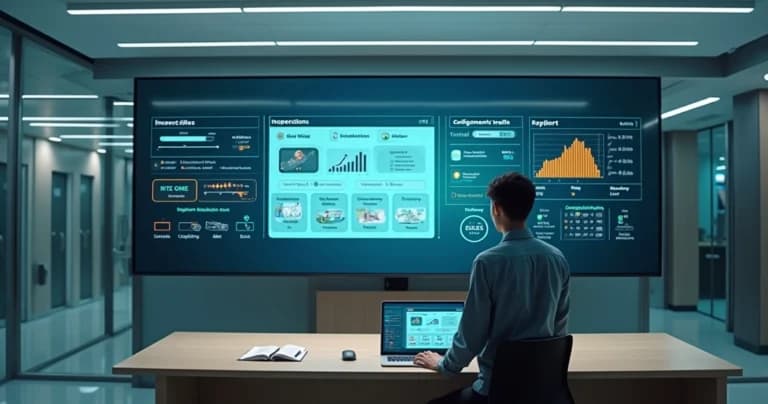
How to Configure Automated Inspection Reports in 2026
In recent years, I've witnessed a clear transformation when it comes to automated inspection reports. In critical environments like hospitals, laboratories, and the pharmaceutical industry, time has become the protagonist. Having everything ready not only to collect information, but to organize, analyze, and predict risks has become an absolute priority. I experience this firsthand: efficiency and precision have never been more valued, and configuring reports is one of the greatest differentiators in 2026.
Why is parametrization so relevant?
When I started working with inspections, everything was manual. Data arrived late and actions were always taken after a problem occurred. Today, with DROME solutions, I see a fundamental shift: decisions are made before the problem happens.
The difference lies in acting with foresight, not merely reacting afterward.
In this scenario, parametrizing an automated report represents not only configuring what will be recorded, but also which alerts, indicators, and analyses will be extracted in near real-time. Parametrizing inspection reports in 2026 is ensuring personalized operational intelligence while maintaining total focus on safety, agility, and transparency.
Key steps to parametrize automated reports
In my daily work, I observe that effective parametrization results from a well-defined step-by-step process. I'll show what I consider essential for achieving robust results:
- Define inspection objectives: Before automating any report, you must understand exactly what is expected from the process. Identifying risks, preventing failures, and meeting regulatory standards are points that should guide the entire workflow.
- Select data collection points: Only collect data that truly matters. In my experience with DROME, I see how focusing on critical assets and variables, such as temperature, humidity, and equipment operation, makes all the difference.
- Configure alerts and key indicators: This is where a major differentiator lies. I use, for example, predictive models to create personalized alerts and indicators that anticipate the need for maintenance or adjustments.
- Structure the report layout: Clarity is everything. The report must be understood in seconds by whoever will make the decision. In 2026, visual dashboards and interactive reports have become the standard.
- Automate sending and integration: It's not enough to generate the report. It must be sent to the right people automatically and integrate with the rest of the operational systems.
These steps form the foundation for ensuring value, safety, and agility in your automated inspection routine.
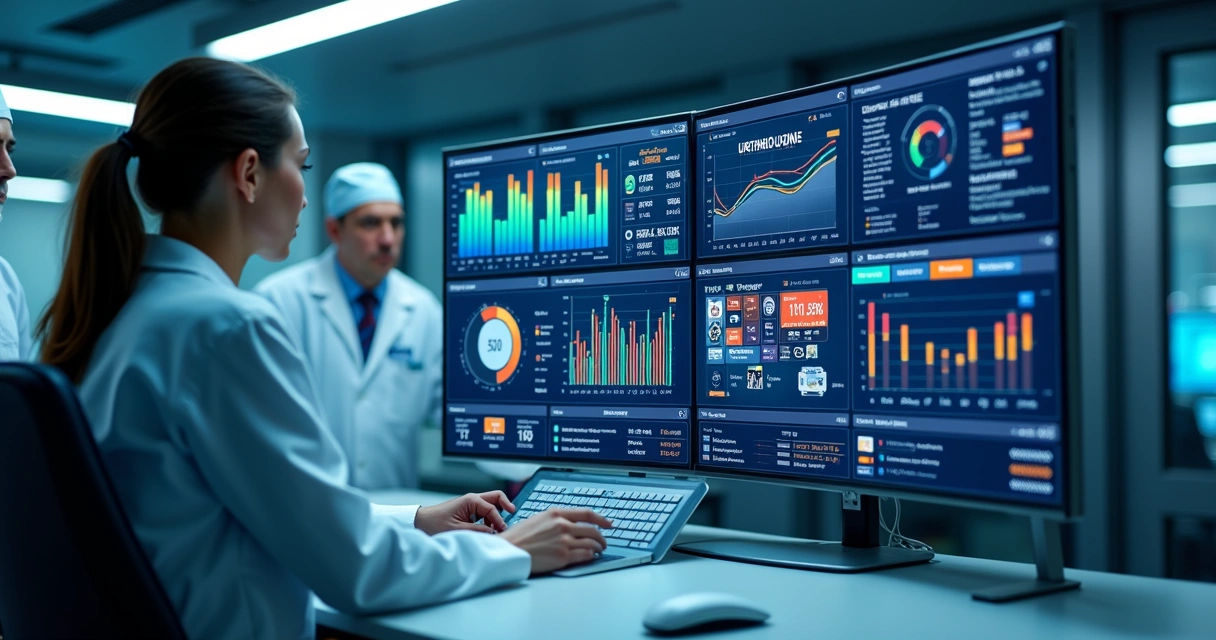
How operational data became allies of reports
In practice, I understand that a parametrized report is worth little if it's not fed by reliable and continuous data. Solutions like DROME transform sensor data into information that makes sense within the inspection context. This ensures that decisions are truly based on recent facts.
Today I believe that a solid historical database is the great source of intelligence. In the latest update of the DROME platform, I saw how machine learning models evolve with the input of new information, refining predictions and recommendations. This causes automated reports to stop being cold and start suggesting next steps, creating much more personalized and anticipatory actions.
Key trends in automated reports for 2026
My personal observation is that some trends have begun to strengthen significantly in recent years:
- Deep personalization of report generation rules: There is no longer a one-size-fits-all model. Hospitals, industries, and laboratories determine specific rules by sector, asset, and even time of day.
- Multi-platform integration: The report is already ready to feed portals, management systems, maintenance applications, and direct communication with teams through digital channels (such as corporate chats).
- Automatic explanations: Future reports indicate not only what happened, but why. I use in practice tools that detail the root cause identified by Artificial Intelligence.
- Closed-loop automation: The system not only generates the report, but already recommends (or even executes) work orders, routine adjustments, and maps the predicted operational impact. To learn more about automation cycles, I recommend the article on sensor maintenance automation.
These trends reinforce DROME's position against the competition. Although other platforms exist, I notice that few have evolved as much in the use of AI, machine learning, and data integration as we have. This is reflected in truly actionable reports, not merely informative ones.
How to parametrize for regulations and traceability
Something that surprised me is how automated reports helped simplify compliance with standards from agencies like ANVISA. Configuring reports to meet traceability standards is straightforward, as long as the platform allows adapting fields, attaching audit records, and exporting compatible formats. I share good references, for example, in the article on ANVISA inspection reports. I learned that it's essential to have clear traceability, from the recorded event to the decision made.
Another important approach is ensuring that each inspection cycle is well documented for future audits. The detail should include everything from environmental conditions to team involvement. For those dealing with cold chain exports and sensitive foods, I also recommend the article on automated reporting in cold chain exports.
Common mistakes in parametrizing automated reports
The mistakes I've seen most frequently are related to two factors: excess of variables and underutilization of data. In many companies, the report becomes a repository of everything, without focus on what actually matters for operations and real risks.
- Collecting more information than necessary, making the report tedious and of little use.
- Ignoring data history, losing the predictive potential offered by intelligent platforms like DROME.
- Not periodically reviewing report generation rules, failing to adapt to new risks and operational patterns.
Good results depend on constant review of parametrization. I recommend complementary readings, such as ANVISA inspection traceability reports or analysis of critical event reports in the cold chain, which show how regular adjustments increase report value.
The DROME difference: intelligence, predictability, and trust
In the automated inspection segment, few solutions manage to unite extensive operational history, adaptive artificial intelligence, and total integration with critical systems. I repeatedly see DROME exceed customer expectations when it comes to risk anticipation and deep report personalization.
While other systems deliver data, I see in my daily work that we deliver guided decisions. Based on targeted parametrization, the platform not only meets standards, but points out trends, prevents interruptions, and increases the real safety of monitored environments.
Conclusion
In 2026, parametrizing automated inspection reports is creating a culture of prevention and continuous intelligence. It's no longer about fulfilling tables, but about anticipating what can impact your business.
Predictive intelligence has become the heart of automated reports.
If you want to see firsthand how it's possible to make this leap in quality, predictability, and safety, I recommend getting to know DROME. Access our platform, speak with specialists, and discover the best experience in automated reporting for managing critical environments.