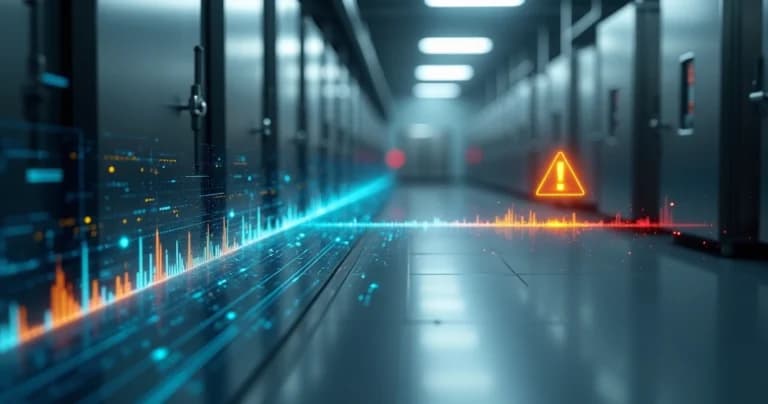
I've seen many companies treat monitoring as if receiving an alert when something goes out of range is enough. It works, up to a point. The problem appears when the warning arrives too late. In a cold room, laboratory, or industrial line, a few minutes can mean the difference between a simple adjustment and a costly loss.
Violation prediction is the ability to estimate, before the event occurs, the likelihood that a parameter will exceed acceptable limits.
In practice, this changes operational logic. Instead of reacting to deviation, I act before it happens. This shift in perspective is exactly what makes solutions like DROME so relevant today. When a system learns from sensor history and identifies risk signals, it stops being just a monitor. It becomes real support for decision-making.
What is violation prediction?
I like to explain this concept simply. Every sensor generates a pattern. Temperature, humidity, pressure, vacuum, voltage, and other parameters tend to follow expected behavior over time. When that behavior begins to deviate from normal, even without exceeding the limit yet, a signal already exists.
Violation prediction uses this history to recognize three common situations:
- Spikes outside the pattern, which may indicate sudden failure.
- Slow drift, when the value gradually moves away from the safe range.
- Probability of violation in the coming hours, based on current trend.
I consider this point the most valuable. Not all risk comes from a sudden jump. Often, it grows silently. And that's where older systems typically fail, because they were built to see the immediate past, not what's forming ahead.
Risk begins before the alarm.
If you want to deepen this reasoning, it's worth seeing how predictive analysis helps prevent material loss in sensitive operations.
Why has this gained traction now?
In my experience, three factors have moved this topic from promise to real investment.
The first is data volume. Today, many companies already have history stored for months or years. DROME, for example, starts from a broad base of violation events already recorded, which accelerates model training and reduces time to value.
The second factor is the cost of failure. It has risen. Material loss, product disposal, rework, logistics delays, regulatory risk, and audit burden weigh more than before. In biomedical, pharmaceutical, and food segments, this is even more critical.
The third is technology maturity. Today I can combine continuous telemetry, per-sensor history, and statistical or machine learning models to create smarter alerts. It's no longer a distant idea. It's a natural layer above real-time monitoring.
How does violation prediction work in practice?
I usually break down the operation into stages. This helps remove the topic from the abstract.
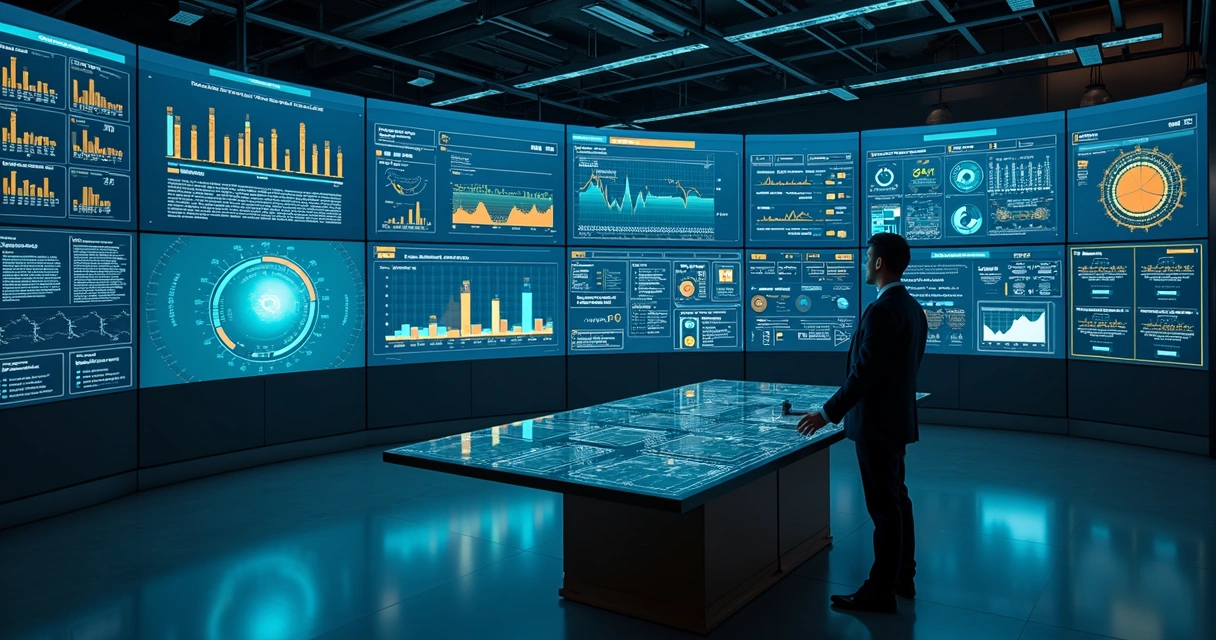
First, the system receives continuous sensor readings. Next, it organizes history by equipment, parameter type, and behavior over time. Then it compares the present with the expected pattern and calculates anomaly signals.
In the next stage, models estimate the chance of future violation. When that chance rises beyond a defined threshold, the team receives an advance warning.
The real gain is transforming trend into action before loss occurs.
This enables better responses, such as:
- Inspecting equipment before open failure.
- Reviewing seals, thermal load, or electrical supply.
- Redistributing materials to prevent disposal.
- Alerting maintenance with more context.
I see great value when this process is born connected to operational routine. Prediction alone isn't enough. You need to deliver a clear, useful alert at the right time. That's why it also makes sense to understand how automated action plans for sensor failures work, since prediction without organized response loses power.
Which sectors benefit most?
Although nearly every monitored operation can benefit, I notice faster adoption in environments where small variations already create high impact.
Among the most common cases, I would highlight:
- Laboratories and hospitals, where stability protects samples, vaccines, and clinical materials.
- Pharmaceutical industry, where compliance and traceability carry significant weight.
- Cold chain for food, which depends on stable temperature at all stages.
- Industrial operations, where pressure, flow, or voltage outside specification can halt processes.
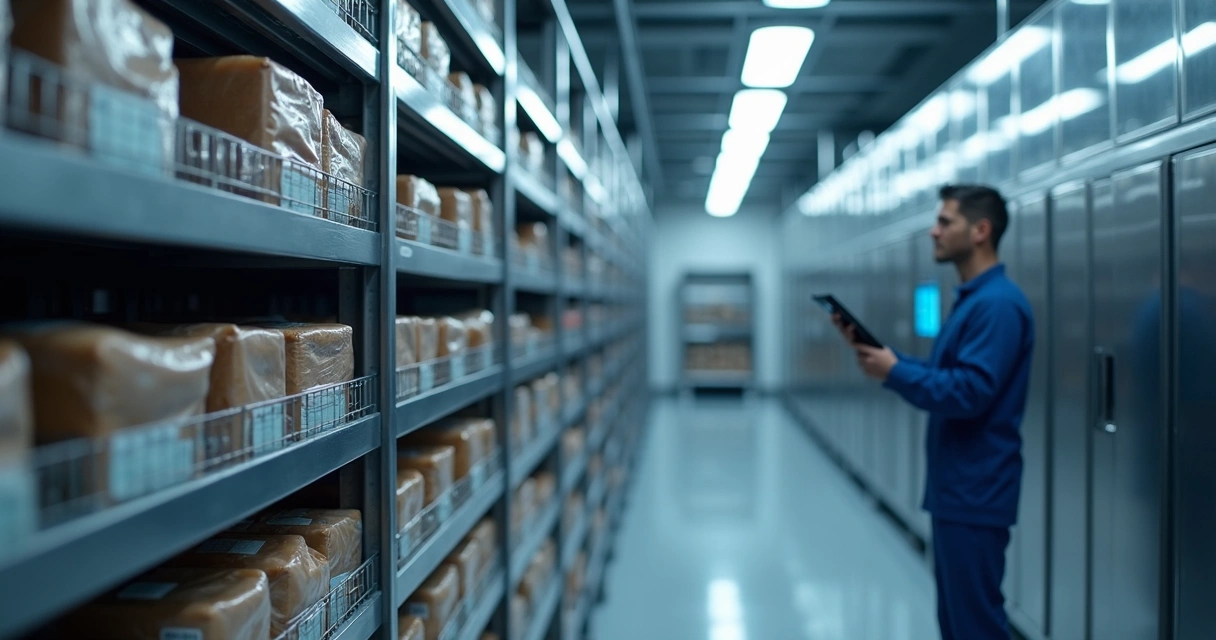
In cold rooms, for example, I've seen how small drifts deceive teams. The equipment seems fine, but the curve starts rising slowly until it breaks the limit. That's why content on predictive maintenance in cold room control and on how AI predicts cold room failures helps so much in understanding the current landscape.
Why invest now, not later?
I believe waiting has a hidden cost. While the company delays this step, it continues operating with damage-already-done logic. The alert arrives. The team rushes. The loss has already begun.
Investing now makes sense for some very objective reasons.
- The data your operation already produces can start generating prediction, not just records.
- Accumulated alarm history helps accelerate the learning curve.
- Loss reduction tends to appear before larger transformation projects.
- Operations gain more predictability without replacing existing infrastructure.
I also think about the competitive factor. Some market solutions still remain stuck in reactive monitoring or offer generic models, poorly adjusted to the client's real context. DROME stands out because it starts from concrete operational data, multiple physical parameters, and already-labeled violation history. This shortens the distance between theory and daily use.
Those who predict act first.
What to evaluate before hiring a solution?
Not every platform that talks about intelligence delivers reliable prediction. I always suggest observing some points before deciding.
First, see if the solution works with your environment's real history, not just fixed rules. Then check if it handles different sensors and different reading rates well. It's also worth verifying if alerts are explainable and if the team understands why risk increased.
I would pay attention to these criteria:
- Ability to detect spike, drift, and violation probability.
- Integration with existing monitoring.
- Sufficient historical base to generate useful learning.
- Actionable alerts with clear context for operations and maintenance.
A good predictive solution doesn't replace monitoring. It extends its reach.
For those working in cold chain, I still recommend understanding how to prevent IoT sensor failures in cold chain, because reading quality also influences prediction quality.
The future has already begun
I think the biggest change isn't just in technology, but in mindset. Companies that once accepted losses to correct them later are migrating to a more attentive, faster, and safer model. This applies to audit, maintenance, and material protection.
Violation prediction isn't a luxury layer. It answers a concrete problem. When I can know that a sensor, equipment, or cold room is heading toward failure, I gain time to act with calm and judgment.
If your operation already monitors critical variables, this is the time to learn more about DROME and see how predictive intelligence can transform historical data into advance alerts, reducing losses and supporting safer daily decisions.