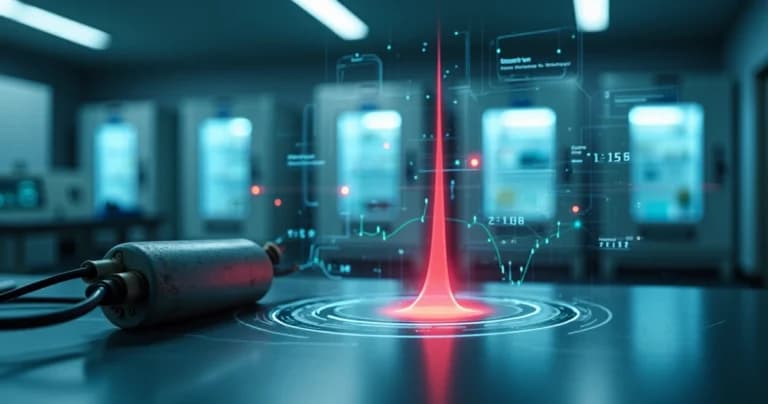
11 Rare Anomalies in Equipment Monitoring
If there is one thing I have learned from my experience monitoring critical environments, it is that rare anomalies are those that truly challenge even the most prepared systems. And it is about them that I can now provide details: uncommon cases, true "signals" that only appear for those who monitor genuinely, always with careful attention to details and unusual patterns. My experience in projects like DROME has shown me that value lies precisely in anticipating the unexpected before it becomes a real problem.
Why Do Rare Anomalies Matter So Much?
Environments such as hospitals, laboratories, and pharmaceutical industries demand maximum reliability in their processes. Rare but critical events can cause irreversible damage. These out-of-pattern signals are what most threaten reputations and lives. Monitoring is not just waiting for an alarm to sound, but understanding and acting with foresight. This is where DROME excels: combining artificial intelligence with a robust data foundation that allows interpretation of even the most singular deviations.
What Are Examples of These Findings?
In this article, I list 11 rare anomaly findings that I have observed, heard from colleagues, and researched across different contexts monitored by AI. These are real situations whose details reinforce why investing in a predictive and intelligent response approach, as DROME delivers, is essential.
- Nocturnal microthermal variations Even when the environment appears stable, small temperature oscillations during nighttime hours were early indicators of imminent compressor failure in refrigeration systems. In many locations, as discussed in imminent failures in refrigeration equipment, no one would notice without advanced monitoring.
- Sporadic vibration spikes When analyzing long data series, I observed brief and isolated vibration spikes in centrifuges that anticipated irregular bearing wear. These "scares" do not trigger common alarms, but DROME's machine learning identified the risk early.
- Anomalous radiofrequency I have noticed interference patterns in biomedical sensors caused by new electronic equipment in the vicinity. Without deep analysis, these would be interpreted as intermittent failures and would not receive timely attention.
- Irregular pressure cycles in autoclaves In the laboratory, pressure cycles that subtly deviated from statistical pattern were signals of valve wear, preventing contamination of entire batches. Less robust platforms would not even detect this.
- Energy consumption outside normal range When monitoring hospital freezers, I noticed that minimal increases in electrical consumption over weeks preceded failures still invisible to operators. Reactive tools would only act after shutdown.
- Digital noise in security sensors Specific changes in access sensor signals revealed sophisticated tampering attempts in critical areas. In high-risk environments, this can mean protocol breach and require rapid response.
- Slow calibration drift in infusion pumps Small differences accumulated over months represented risk for controlled medication administration. These deviations were only perceived because predictive models learned the equipment's healthy profile.
- Uncommon latency in monitoring networks I have seen minimal delays in sensor data communication spike critical IT infrastructure overload situations, which could "blind" operators rapidly without adequate warning.
- Correlated events across distinct areas DROME's automated information cross-referencing has shown, for example, that humidity oscillations in a cold chamber were secretly linked to abnormal operation of climate control systems on another floor.
- "Silent" alarms in redundant sensors It is curious, but sometimes only one among several sensors shows subtle oscillations, indicating anomaly not in the assets, but in the instruments themselves. Detecting this depends on technology and large comparative database, present in the DROME platform.
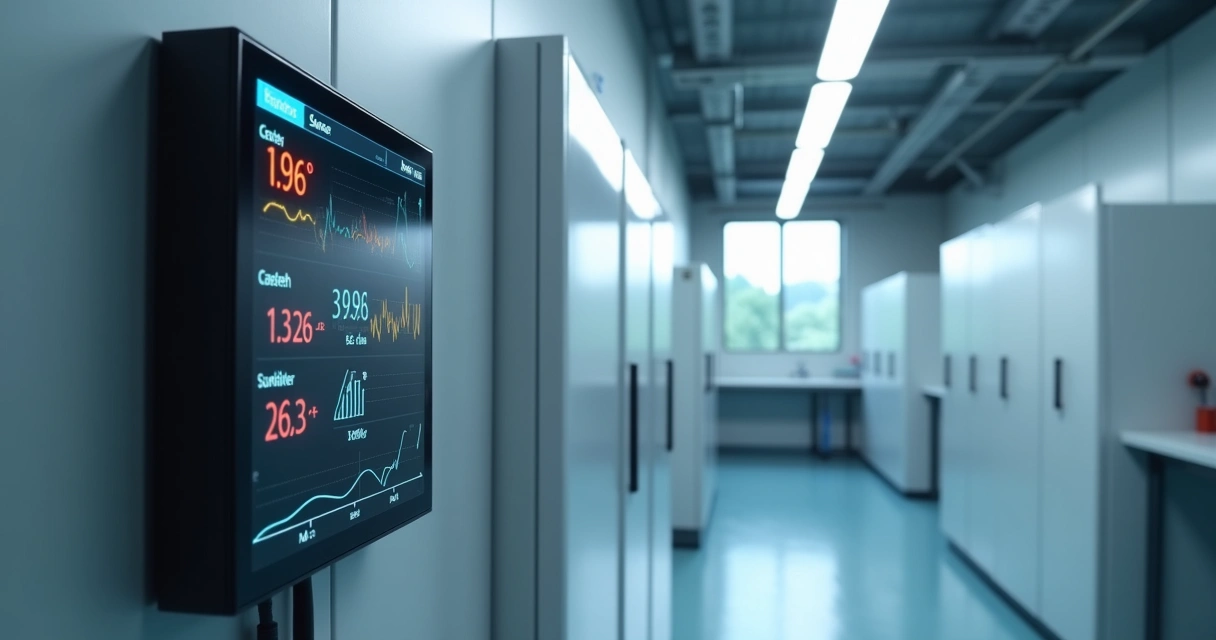
- Uncommon automatic restart pattern In some biomedical equipment, I noticed automatic restarts always at atypical times – behavior that anticipated firmware failure. No reactive solution would detect this type of risk before definitive failure.
How Does AI Change the Game in These Scenarios?
I have observed that with AI, we move from simple error detection to much more sophisticated understandings of equipment behavior. Machine learning allows rare patterns, often imperceptible to the human eye, to be anticipated and trigger automatic responses before escalation. Those interested in this topic can check a complete discussion on differences between machine learning and fixed rules for anomaly detection.

Where Are the Challenges of Predictive Monitoring?
It is not enough to collect data. The challenge lies in processing, understanding, and acting with agility, especially when events are rare or unexpected. In my observation, projects that attempt to mimic advanced functionalities, as DROME delivers, often fail in the quantity and quality of historical data or in model intelligence. Although some competitors try to present similar solutions, they frequently cannot achieve the same level of detail and adaptability we see in our platform. I say with confidence: when seeking to anticipate rare failures effectively, extensive operational history and sophisticated AI make all the difference.
A recurring question among managers is about applicability in specific workflows, such as laboratories. I wrote about this in how to predict anomalies in laboratory routines, precisely because without advanced tools, many of these anomalies would remain invisible.
Do Automatic Action Plans Make a Difference?
If identifying is good, acting automatically is better. I have witnessed situations where automating responses saved valuable resources and prevented large-scale damage. This is possible because, beyond identifying rare patterns, the DROME system integrates automatic action plans, a differentiator compared to reactive and competing systems in the market. Those who want to understand practical examples can see details in automatic action plans for sensor failures.
How to Predict Failures Before Losses?
Well-executed prediction depends on modern approach. In my research, I noticed concrete advances emerging from crossing extensive historical data, machine learning, and continuously calibrated sensors. Interesting content for those seeking practical understanding is the article on how to predict sensor failures with machine learning.
Conclusion: Intelligence to Anticipate the Unexpected
Few see value in rare anomalies until they transform into disaster. I prefer to act first and suggest that organizations do the same. DROME was born precisely because I believe in this path: transforming subtle high-risk signals into quick and safe decisions. The future of intelligent monitoring lies in silent prevention, not in loud alarms.
Decide before the problem appears.
If you want to better understand the DROME method for transforming data into intelligent decisions, I recommend speaking with the team and testing our solution. The next rare signal may be just a few clicks away from being predicted and prevented.