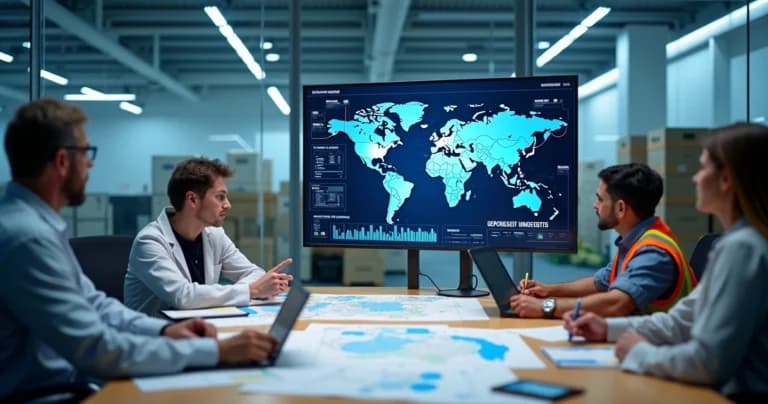
When I see a cold chain operation fail, the problem almost never starts with equipment. It starts with the team. A sensor can detect temperature variation, but it takes well-prepared people to prevent product loss, delays, and regulatory risk. In my experience, assembling the right teams is what separates stable operations from a series of crises.
Effective cold chain management depends less on improvisation and more on clear roles, continuous training, and rapid response.
This topic has become even more critical as the market has grown. According to data on refrigerated logistics challenges in Brazil and its expansion, the country already has more than 18 million cubic meters of cold storage capacity and continues to grow. At the same time, losses impact the bottom line. In data on losses from perishability and expiration in retail, much of the waste is linked to handling of sensitive products. I believe this sends a simple message: a poor team is expensive.
Why does the team matter so much?
I like to recall a common scene. An alarm sounds in the middle of the night. Someone sees the notification, but doesn't know whether to open a ticket, call maintenance, or transfer the load. A few minutes turn into hours. And the damage grows.
Lost time becomes lost product.
In cold chain operations, the team must act well before a failure becomes visible. This is why platforms like DROME gain real value. It's not enough to show data. You need to transform readings, history, and alerts into organized action.
When I structure a team for this scenario, I look for four practical outcomes:
-
Shorter response time to temperature deviations.
-
Fewer failures caused by poorly defined procedures.
-
Greater traceability for audits and inspections.
-
Less product, energy, and labor waste.
If the company wants a more technical starting point, I usually recommend the DROME cold chain platform, because it helps connect monitoring, alerts, and decision-making in the same workflow.
What roles I would include on the team
Not every operation needs a large department. But every operation needs well-defined roles. I prefer to build lean teams with clear accountability rather than large groups where no one decides.
The roles that make the most difference are these:
-
Cold chain technical lead or manager: monitors indicators, validates processes, and ensures compliance.
-
Operations technician: checks chambers, receiving, shipping, records, and daily risk signals.
-
Maintenance: handles sensors, refrigeration, power, sealing, calibration, and failure prevention.
-
Quality: verifies standards, documentation, audits, and recurring deviations.
-
IT or automation: supports connectivity, integrations, dashboards, and data security.
In larger operations, I also assign a focal point for on-call and escalation. This prevents that tiresome question about who should act first.
How to distribute responsibilities without confusion
I've seen companies with good professionals and poor results. The reason was simple: tasks overlapped, and no one knew who would close the issue. That's why I recommend mapping the response flow in stages.
A structure that works well follows this order:
-
Who receives the alert.
-
Who validates whether the risk is real.
-
Who executes the immediate correction.
-
Who documents the incident.
-
Who reviews the root cause and prevents recurrence.
When each person knows what to do in the first five minutes, the chance of saving the load increases significantly.
This process works even better when the team trains based on real scenarios. I usually recommend reading practical materials like the guide on how to prepare teams for rapid response to IoT alerts, because it bridges theory and field operations.
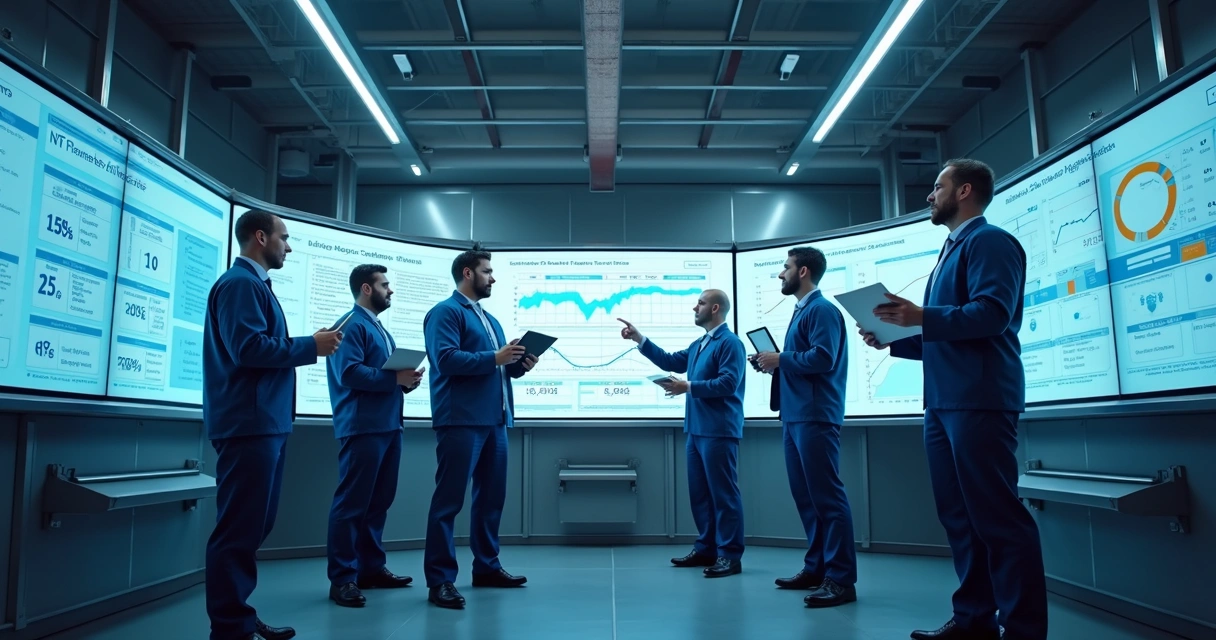
Training that actually works
In my view, good training isn't a long lecture. It's short, repeated, applied routines. Cold chain teams learn better when content connects with what they see during their shift.
I would organize training in blocks:
-
Best practices for storage, transport, and handling.
-
Correct reading of alarms, trends, and history.
-
Immediate actions for deviations by risk level.
-
Incident documentation and traceability.
-
Prevention of human error during shift changes.
If the operation is hospital or pharmaceutical, I strongly emphasize simulated drills. They show who understood the process and who just memorized instructions. For this context, useful material is the content on checklist for implementing hospital cold chain without failures.
Training a team is not an isolated event. It's an ongoing management practice.
Technology as team support
I don't believe in modern cold chain management without reliable data. But I also don't believe in technology alone, without prepared people. The right balance is in the combination.
This is where I see DROME's value stand out. While many systems only alert after a violation occurs, DROME works to anticipate risk with historical reading, anomalies, and trends. For the team, this changes everything. Instead of reacting late, they can act early.
When sensors, history, and alerts are well connected, the team can:
-
Prioritize incidents with greater real risk.
-
Detect slow drift before loss occurs.
-
Reduce unnecessary maintenance calls.
-
Make decisions based on evidence, not assumptions.
To avoid basic failures, I also recommend reviewing guidance on how to prevent IoT sensor failures in cold chain. A good team depends on reliable instruments.
Metrics to track team performance
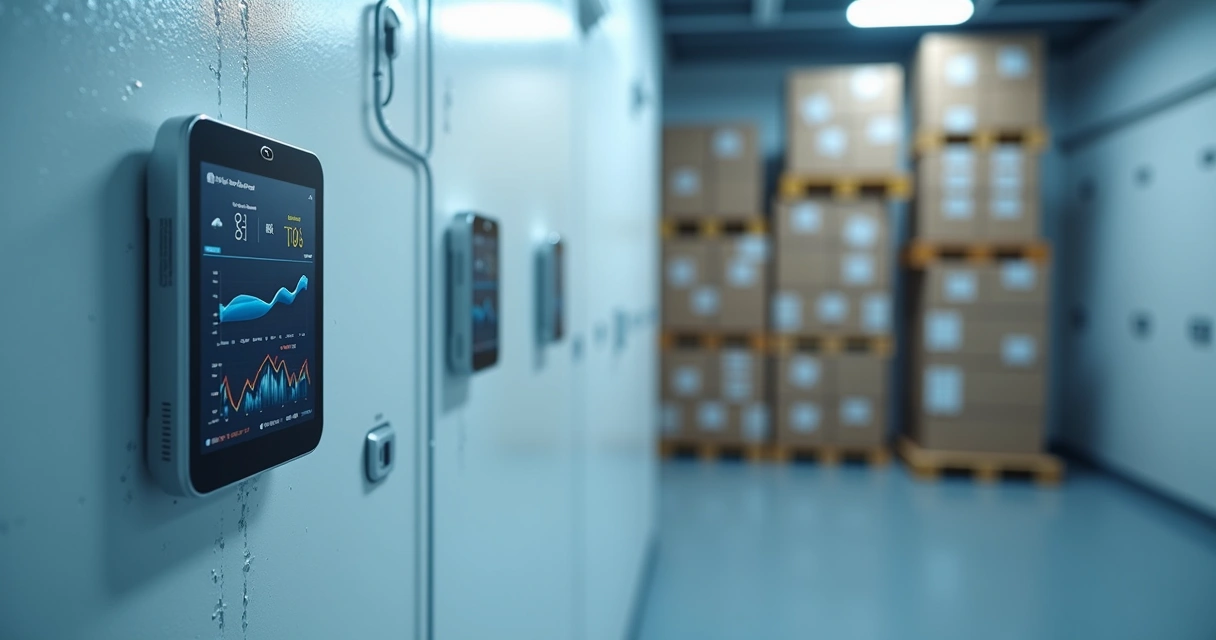
I always say that a team without metrics is a team in the dark. It's not enough to ask for attention. You need to measure response, recurrence, and operational discipline.
The metrics I track most closely are:
-
Average time between alert and first action.
-
Number of deviations per unit or equipment.
-
Recurrence rate of the same failure.
-
Percentage of correctly completed records.
-
Downtime of critical chambers and assets.
To deepen this view, I suggest the content on metrics to evaluate cold chain performance. I like this type of reading because it helps managers move from perception to evidence.
How I would close this structure
If I had to summarize, I'd say that effective cold chain management begins when a company stops depending on heroes and starts trusting process, training, and technology. People need to know what to observe, when to act, and how to document. When this combines with intelligent monitoring, results appear with more control and less loss.
I believe this is the safest path for operations handling sensitive products. If you want to build a more prepared team and connect it to predictive monitoring, it's worth learning more about DROME and how the platform can support your operation.
Frequently Asked Questions
What is cold chain?
Cold chain is the set of storage, transport, and handling steps for products that must remain within controlled temperature ranges. I see this frequently in food, vaccines, medications, laboratory supplies, and other sensitive items.
How do I build a cold chain team?
I would build the team with clear roles: management, operations, maintenance, quality, and technical support. Then I'd define who receives alerts, who validates the risk, who corrects the problem, and who documents the incident. This clarity reduces delays and errors.
What skills are essential in cold chain management?
In my experience, the most useful skills are attention to detail, data reading, rapid response, documentation discipline, understanding of health risk, and good communication between shifts. It also helps to understand equipment and sensor behavior.
How does training help in cold chain operations?
Training helps the team act safely when facing alarms, deviations, and routine failures. I find it more effective to train with real cases, simulations, and frequent procedure reviews. This reduces human error and improves response under pressure.
Where can I find cold chain experts?
I would look for experts who combine operational experience, regulatory knowledge, and digital monitoring expertise. In this scenario, DROME stands out by connecting team, data, and risk anticipation, helping companies build safer and better-monitored operations.