
When I think about data center challenges, temperature control immediately comes to mind, and especially humidity control. In my years dealing with technology infrastructure, I've noticed how many risks are directly linked to human error or inefficiencies in traditional monitoring systems. In this scenario, the Internet of Things (IoT) stands out as a modern solution, and without it I simply cannot imagine real security for environments as critical as a data center.
Why is humidity so important in data centers?
Data centers house servers, storage systems, switches, backup routines, and countless other devices that power the digital universe. Many colleagues think it's enough to keep the air conditioning running, but relative air humidity carries enormous weight here.
- Low humidity: increases the chance of static electricity, which can damage sensitive components.
- High humidity: causes corrosion, promotes fungal growth, and can even cause short circuits.
- Sudden fluctuations: trigger condensation or drying, both harmful to hardware.
When I've worked in places where control was manual, I witnessed the dreaded "water droplet" on a switch. Even small deviations in humidity levels can be fatal for high-value equipment and, worse, for the data they manage.
How does IoT transform humidity monitoring?
IoT goes far beyond simple sensors plugged into old instruments. What I see currently are intelligent sensor networks, integrated into platforms like DROME, providing predictive analysis and doing what a human professional could never achieve: continuous and detailed surveillance of the entire environment.

With IoT applied to humidity control, I've encountered three major differentiators:
- Real-time measurements
- Post-event and predictive alerts, thanks to artificial intelligence
- Detailed and automated history, supporting audits
These factors drastically reduce human error and free up IT teams for more strategic tasks. DROME, for example, goes further by issuing comprehensive reports and facilitating sensor calibration, which meets audit regulatory requirements without last-minute stress.
Risks of uncontrolled humidity in data centers
Reflecting on my years of experience in the sector, I've observed problems such as:
- Widespread outages due to PCB trace corrosion
- Short circuits caused by condensation
- Frequent equipment failures from static electricity
- Irreversible damage to backups due to oxidation
Imagine shutting down a bank for hours due to poorly managed humidity! It's not an exaggeration: such situations have occurred and bring serious financial consequences. That's why having an IoT system constantly monitoring each rack or room makes all the difference for those wanting to avoid unacceptable losses.
How does IoT control work in practice?
I've seen three basic pillars in modern projects for humidity monitoring with IoT:
- High-precision sensors, positioned at different points in the environment, including locations where rapid variations can occur (such as near air ducts or panels).
- Automatic and uninterrupted data collection, transmitted via secure networks to the monitoring center.
- Automatic analysis and AI-powered alerts: before the problem causes damage, the system informs technical staff and recommends preventive actions.
I chose to integrate SaaS monitoring systems because they facilitate visualization even remotely, access via app, and even integrations with building automation systems. DROME, in this regard, is a mature solution because it combines artificial intelligence with IoT, offering predictive failure vision and calibration control that few deliver with such detail.
Comparing with traditional solutions: why not rely solely on manual methods?
I still see many people recording data from thermohygrometers, and honestly, I've seen many human errors in this approach. Manual reports are easy to manipulate or forget. Legacy systems, even some offered by traditional brands, fall short in automation and connectivity.
Competitors even deliver part of the monitoring, but I notice that DROME's calibration automation, detailed audit history, and predictive analysis are differentiators. For example, when studying platforms widely used in hospitals or laboratories, I noticed that most don't integrate intelligent alerts robustly. In critical environments, this matters greatly.
Where else do I see IoT value beyond data centers?
My experience shows that humidity requires control in environments such as:
- Hospitals and clinics (detailed hospital environment control)
- Laboratories (temperature and humidity control in laboratories)
- Cold chain for vaccines and medications (specific monitoring for sensitive products)
- Food and restaurants (restaurant waste)
I recommend reading more about the importance of humidity control in the cold chain to understand how interoperability in platforms makes a difference in managers' daily work, especially those who, like me, have lost sleep over audits.
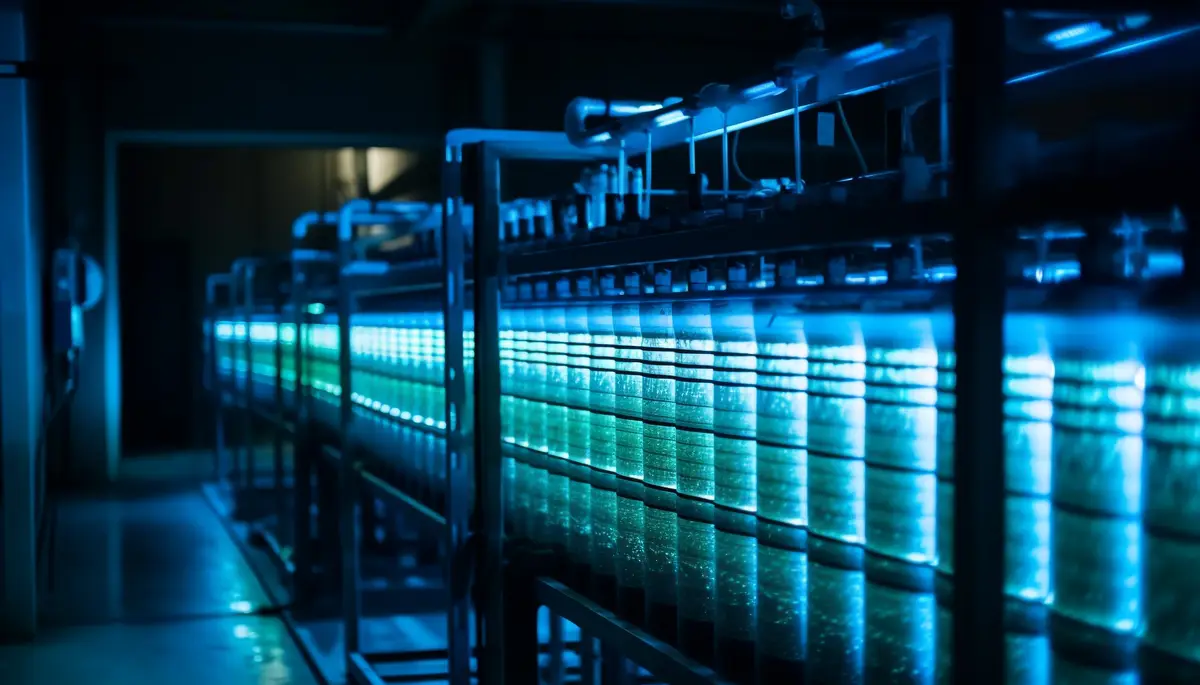
Integrating DROME: advantages in daily operations
Having experienced different environments, I notice that DROME brings practicality to infrastructure teams' real work. The SaaS allows me to configure personalized alarm rules, visualize historical graphs, and activate API integrations for building management systems. The system learns from data, suggests preventive measures, and automates much of the bureaucracy that data producers face.
If you've ever needed to prove to an auditor that the environment stayed within standards, you know that detailed reports and confidence in measurements are non-negotiable. DROME automates this and even surprised me by reminding when sensors needed calibration, something almost no one checks with proper attention.
Before, I worried. Now, I monitor in real time.
Challenges and points of attention when implementing IoT
Of course, not everything is perfect. Implementing IoT requires analysis of network infrastructure, minimum staff training, and choosing the right sensors. I've worked in situations where unstable Wi-Fi compromised sensor communication; at that point, systems like DROME are advantageous for technical support and network architecture recommendations already tested.
- Avoiding excess sensors without a centralized system can generate uncontrolled data.
- Developing clear alert response policies prevents ignored alarms.
- Maintaining calibration routines reduces false notifications.
In my opinion, choosing a solution that centralizes everything, automates alerts, and delivers truly practical support makes all the difference. Incomplete solutions, which I've seen offered by some competitors, might work for small environments but fail when they scale.
Conclusion: the next step for digital security
With evolving risks and regulatory requirements, it seems clear to me that monitoring humidity with IoT has gone from luxury to operational necessity for data centers. Those wanting to protect data and assets cannot rely on manual controls, delayed alerts, or incomplete records. Losses can be catastrophic both for reputation and company finances. By combining IoT, artificial intelligence, and a complete SaaS, I see DROME as a solution that truly delivers what the industry needs.
If you want to experience the peace of mind that only continuous and automated monitoring can bring, learn more about DROME and discover how this technology can transform your data center into a safer, more efficient environment prepared against unforeseen events. Take a test, schedule a demonstration, and stop wasting time and money on humidity oversights!
Read next
IoT Telemetry Cybersecurity Checklist
Learn to evaluate access, network, encryption, updates, and monitoring in IoT telemetry platforms used in critical environments.
Telemetry: What It Is, How It Works & Why It Matters
Understand how sensors, networks, and analysis transform remote measurements into decisions. See applications in hospitals, industry, energy…
Connected Sensor Inventory Without IT Overload
Learn how to organize connected sensors with standardization, automation, and criticality focus, reducing rework and pressure on IT teams.