
Introduction: The Problem of Alert Overload
Throughout my career in healthcare and technology, I have witnessed the direct impact of excessive automated alerts in laboratories. When the number of notifications exceeds the response capacity of professionals, a dangerous saturation occurs: the so-called "alert fatigue." Honestly? I have seen teams ignoring critical signals simply because they were buried under repetitive and not always truly urgent warnings.
It is not difficult to understand why. Traditional monitoring systems end up notifying about every minor irregularity, without distinguishing what is truly a priority. This exhausts teams and increases the risk of serious errors or delays in care.
Why Are So Many Alerts Generated?
In my research, I found that much of the alert excess is due to inadequate system configuration. Uncalibrated sensors, overly rigid or generalized parameters, and notification patterns unadjusted to the laboratory's real context turn minor fluctuations into false alarms.
Another factor is the lack of intelligence in traditional systems, which operate reactively. They only warn when the problem already exists and cannot differentiate critical events from common daily situations.
This is where I notice a consistent advantage in using AI, such as that employed by DROME. By analyzing large volumes of historical data and identifying patterns, we can filter what truly matters. Our platform not only monitors but anticipates conditions that will genuinely impact operations, drastically reducing unnecessary alerts.
Consequences of Alert Fatigue
Alert fatigue is more than an inconvenience – it can threaten operational and patient safety. Over time, when the brain begins to ignore frequent warnings, there is greater risk of missing a true alert. I have witnessed situations where a relevant failure was only noticed when it was already out of control, resulting in everything from supply waste to procedure interruption.
Dealing with excessive alerts requires strategy, not just technology.
This scenario demands new solutions and has been the focus of DROME's work since product conception: preventing team fatigue from unnecessary notifications and prioritizing what truly requires immediate intervention.
How to Identify and Filter Truly Important Alerts
Early in my journey, I thought adjusting sensor parameters would suffice. Over time, I realized the process is more complex. There is a combination of actions that helps identify alerts that truly make a difference. I highlight some practical strategies I typically apply:
- Define criticality levels for warnings: Not every alert carries the same weight. I assign levels so that only the most relevant ones generate immediate notifications.
- Adjust sensor sensitivity limits according to laboratory context, adapting to known routines and seasonality.
- Implement tools with Artificial Intelligence – as in DROME – that learn from operational data and reduce unnecessary notifications.
- Train the team to differentiate low-priority operational alerts from those representing real risk.
I experienced a notable increase in operational efficiency by adopting these practices, especially when relying on advanced analytical systems.
The Role of Artificial Intelligence: Filtering What Matters
Observing laboratory routines closely, I see that AI-based solutions have truly changed the game. DROME collects and interprets massive amounts of data from sensors and equipment, transforming it into prediction. When algorithms understand the standard behavior of each piece of equipment, they can distinguish a simple fluctuation from an evolution toward failure. The result? Only warnings indicating real risk reach the responsible team.
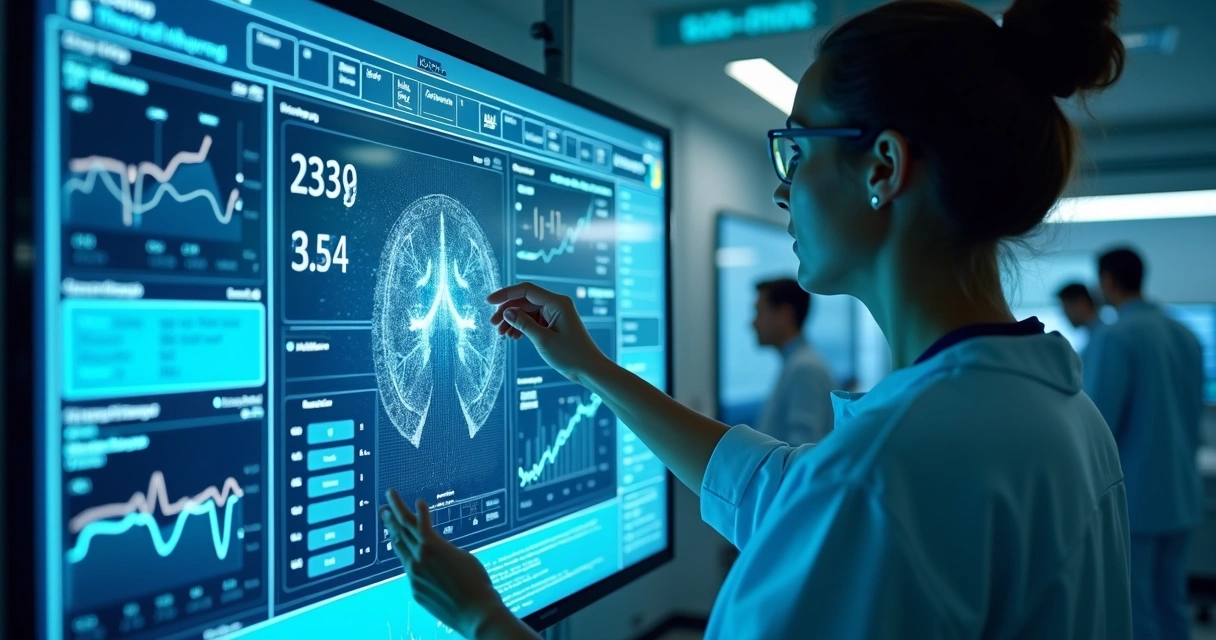
Comparing with various alternatives I tested in the market, I noticed that many competitors still limit themselves to monitoring and alerting. DROME surpasses this standard, offering predictive analysis that transforms team routine: fewer interruptions, more targeted actions.
How to Adjust the System to Avoid Overloading the Team?
A step-by-step approach has always helped me guide laboratories through the readjustment process, and it is something I consistently recommend:
- Create an inventory of all connected equipment and review the types of alerts each one generates.
- Analyze alert history: how many were truly relevant? Which ones were ignored?
- Classify alerts by criticality, frequency, and operational impact.
- Reconfigure system parameters, prioritizing critical warnings and suppressing repetitive or impractical notifications.
- Adopt intelligent solutions, like DROME, that use AI for automation and continuous learning, reducing irrelevant events.
- Train the team to understand the changes and respond according to new priorities.
This process became even simpler after I studied how to balance predictive alerts without overloading the team, ensuring a healthy equilibrium in laboratory routines.
How to Distinguish False Positives?
I have seen laboratories waste valuable time and resources due to false positives. To avoid this trap, I recommend special attention to the following points:
- Configure alarms based not only on absolute values but on evolutionary patterns of data.
- Validate whether the alert has a history of relevant occurrence.
- Rely on AI, which helps recognize real anomalies and discard contextual noise.
Reading tips for identifying false positives in predictive IoT alerts can make all the difference for those seeking efficiency and greater assertiveness in laboratory responses.
How to Create an Efficient Alert Response Flow?
After filtering and prioritizing, the next step is ensuring each alert is addressed with agility and clarity. I guide the creation of standardized protocols for each alert type and assign clear responsibility by shift or equipment. Defining an SLA for alert response ensures that no urgent warning is forgotten and that team performance can be monitored over time.
There are materials I recommend on implementing SLA for IoT alert responses, which certainly makes a difference for management focused on agility and continuous improvement.
Practical References and Support Materials
My experience shows that creating a standardized process for evaluating predictive systems, as presented in this checklist on what to evaluate before trusting predictive alerts, is fundamental to ensuring safety and consistency in laboratory routine.

I also recommend reading on managing multiple alarms in critical environments for those facing similar challenges in hospitals, laboratories, and pharmaceutical industries.
Conclusion: How to Transform Alerts Into Allies?
For me, dealing with excessive automated alerts in the laboratory is much more than reducing numbers. It is about transforming notifications into intelligence that anticipates risks and directs teams toward what truly matters. This vision motivated the DROME project, and it is why I believe so strongly in our platform's proposal.
If you face challenges with alert overload and seek to make the laboratory environment safer and more efficient, I invite you to discover DROME's solutions. Find out how artificial intelligence can be the key for your team to focus on what truly matters and ensure operational continuity – without alert fatigue and with maximum safety.