
Introduction to Laboratory Monitoring
How do laboratories prevent failures that can be catastrophic? What technologies ensure the quality of the most critical inputs? And how can you prevent waste and public health risks through constant monitoring? These are some of the questions many professionals face daily.
In this article, you'll discover how monitoring technologies are transforming laboratories around the world. We'll explore how IoT and artificial intelligence have optimized the safety and efficiency of laboratory processes. Additionally, we'll see how innovative solutions, such as DROME, integrate with these advances to prevent failures before they occur, offering an unprecedented level of safety.
What Challenges Do Laboratories Face?
Working in a laboratory can be challenging, especially when we consider the details that need to be monitored closely. Here are some of the main challenges laboratories face and how modern technologies can help overcome them.
- Temperature Control: Ensuring that temperature is always correct is crucial. Medications and vaccines, for example, require specific conditions to function. If a refrigerator fails, these products can lose their effectiveness. Using a monitoring system can help prevent this type of problem by sending real-time alerts when something isn't right.
- Humidity and Contamination: Humidity can be a silent enemy in laboratories. It can compromise the quality of chemical and biological products. Maintaining a dry and clean environment is essential, and technologies that monitor these conditions can make all the difference.
- Human Error: We are all prone to making mistakes. Whether in equipment calibration or data recording, errors happen. Automated monitoring systems can reduce the impact of these errors by providing alerts and maintaining accurate records.
- Equipment Maintenance: Equipment requires regular maintenance to function well. But with tight budgets, it's not always easy to keep everything up to date. Monitoring technologies help predict when equipment might fail, allowing you to schedule maintenance before it's too late.
- Regulations and Compliance: Following all rules and standards can be tedious. Laboratories must maintain extensive documentation and always be ready for audits. Technological solutions facilitate this process, ensuring that everything is compliant without overburdening the team.
When facing these challenges, the use of technology can be the differentiator for keeping a laboratory running efficiently and safely. Adapting to these innovations is fundamental to avoiding problems and ensuring the quality of work performed.
Benefits of Using IoT and AI Technology
Technologies are transforming laboratories in surprising ways. With the Internet of Things (IoT) and artificial intelligence (AI), laboratories are becoming more efficient and secure. Want to know how? Let's explain it simply and directly.
First, think of IoT sensors as small guardians. They monitor every detail, from temperature to humidity. This way, failures can be detected before serious problems even occur. For example, imagine one of these sensors detects a temperature change in a refrigerator storing vaccines. An alert is sent immediately, allowing quick action before the vaccines are compromised.
Additionally, AI is like an intelligent assistant. It analyzes data in real time and identifies patterns that humans might not see. This means laboratories can optimize their processes, saving time and resources. AI also helps reduce human error by constantly checking that everything is within correct standards. This makes results more reliable.
Another important point is report generation. With technology, detailed reports are created automatically. This is great because it saves time and ensures that everything is organized for audits and compliance verification. This strengthens confidence in laboratory operations.
- Proactive Failure Detection: IoT sensors monitor the environment and send alerts about changes, helping prevent bigger problems.
- Process Optimization: AI analyzes data and identifies patterns, improving efficiency and saving resources.
- Reduction of Human Error: Automated systems verify that everything is correct, increasing the reliability of results.
- Detailed Reports: Automatic reports facilitate audits and compliance verification, saving time and preventing errors.
- Cost Savings: Investing in technology can reduce waste and operational costs, being advantageous in the long term.
Using IoT and AI in laboratories is not just following a trend; it's a necessity to maintain the quality and safety of processes. Over time, the benefits become increasingly clear, bringing significant advances to public health.
How to Choose the Best Monitoring Solution?
Choosing the best monitoring solution for a laboratory is not an easy task, but it can make a big difference in the efficiency and safety of your daily operations. Here are some points you should consider.
First, think about cost. Don't just look at the purchase price. Also consider what you'll spend on maintenance, updates, and operation over time. Sometimes spending a bit more upfront can be advantageous, especially if the solution helps reduce waste and increase efficiency, as often happens with more advanced technologies.
Functionality is another essential point. The solution needs to meet the specific needs of your laboratory. If you need to control temperature, humidity, or prevent contamination, make sure the technology you choose does this efficiently. Make a list of what's essential for your laboratory and see if the solution meets these points.
Don't forget about ease of integration. If the new technology doesn't fit well with what you already use, it may hinder more than help. Check if it can be integrated seamlessly with the systems you already have.
Technical support and training also matter a lot. Even if the solution is great, without good support you may have difficulties. See if the vendor offers help when you need it. It's also important that your team receives proper training to use the new tool without complications.
Finally, look for reviews and testing. Talk to other laboratories that already use the solution you're considering. Ask to do a test or demonstration. This can give you a clearer idea of how it works in practice and whether it really meets your expectations.
These points can help you choose a monitoring solution that really makes a difference in your laboratory, improving the safety and efficiency of your daily operations.
Conclusion: Laboratory Transformation and Future
Throughout this article, you've discovered how monitoring technologies are transforming laboratories. With systems like DROME's, it's possible to prevent losses and ensure the safety of essential materials, optimizing processes and protecting public health.
DROME's solution stands out by offering a SaaS platform that constantly monitors environmental conditions, identifying problems before they become serious. This not only prevents waste but also ensures compliance with standards and the efficacy of medications and vaccines.
Now, reflect: how can your team leverage these technologies to improve the safety and efficiency of your laboratory? What actions can you take today to prevent future problems? Explore more on the topic and consider implementing innovative solutions that will really make a difference in your daily operations!
Read next
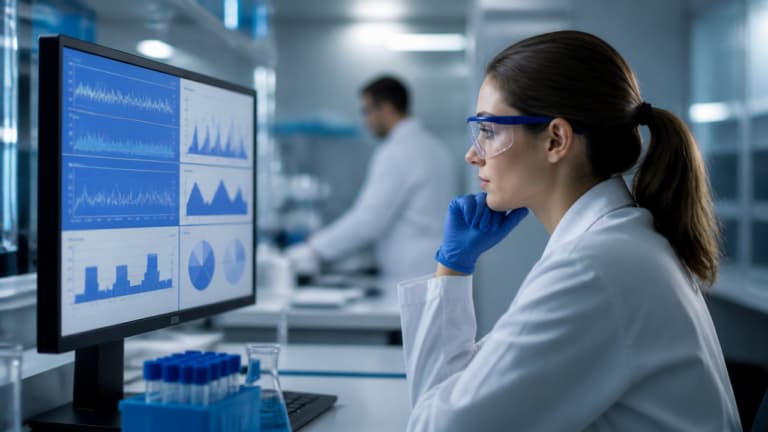
Checklist to Prioritize Laboratory Alerts
Learn to organize multiple laboratory alerts with a practical checklist, priority criteria, and AI-powered monitoring support.
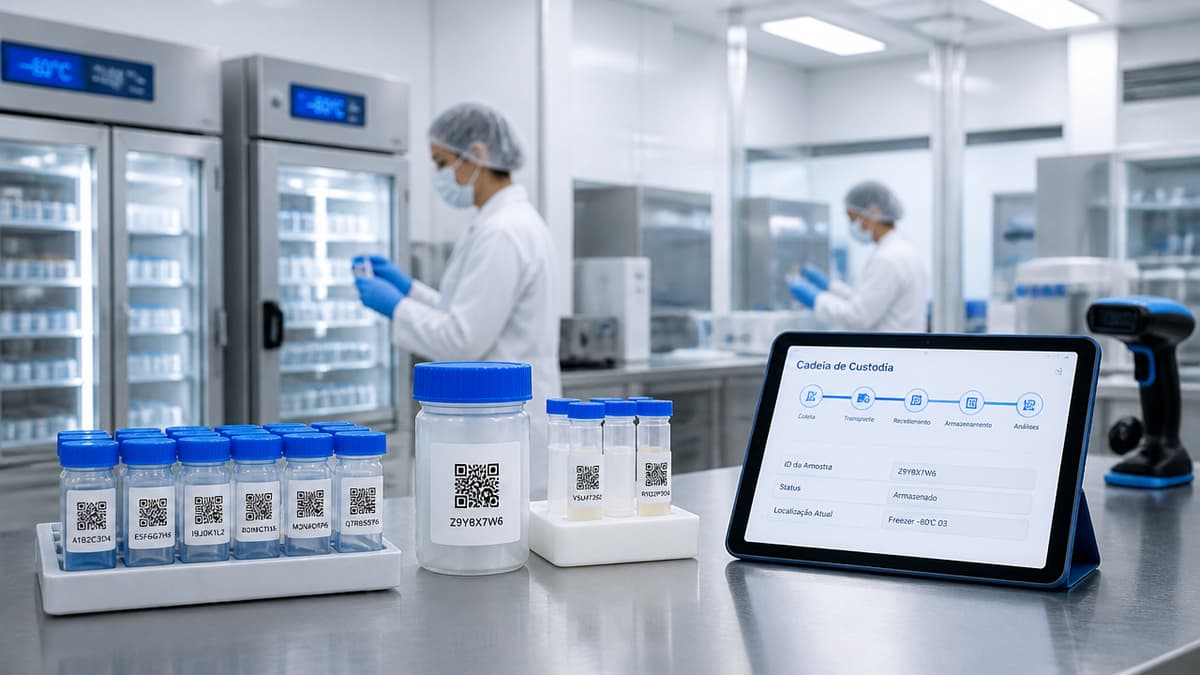
5 Tips to Strengthen Traceability in Laboratories
Learn five practical actions to improve digital traceability in laboratories, reduce deviations, and gain greater operational control.
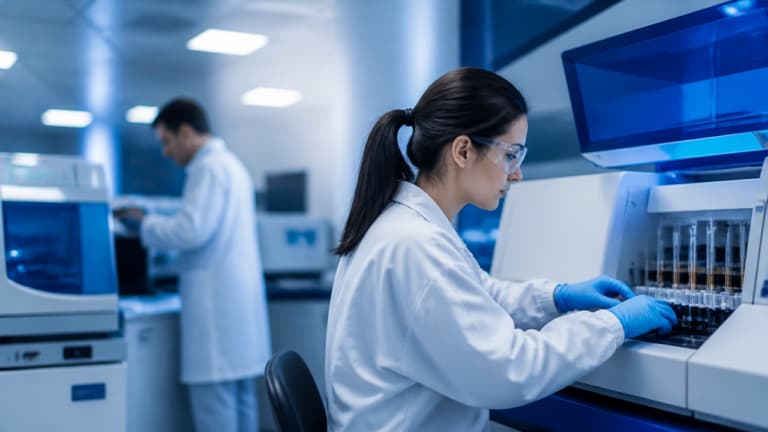
Reduce Laboratory Alarm Noise in Automated Systems
Learn how to reduce unnecessary alerts in automated laboratories through prioritization, calibration, predictive maintenance, and artificial…