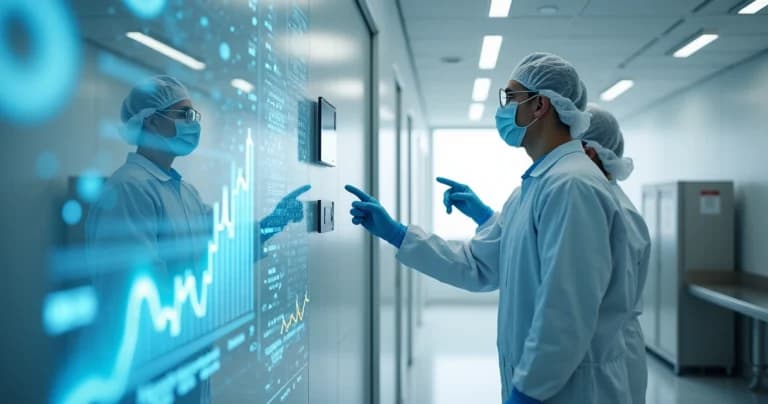
Particulate Monitoring and Challenges in Hospital CleanroomsIn the hospital universe, few environments receive as much attention as so-called cleanrooms. These spaces are designed to protect procedures, supplies, and patients from invisible threats: particulates. Through my experience observing hospitals, laboratories, and clinics, I've learned that small details make the difference between safety and risk. That's why I decided to share my insights on particulate monitoring and the major challenges of cleanrooms.
Why do cleanrooms demand absolute rigor?
Cleanrooms are defined by their ability to control the environment, primarily regarding the maximum amount of particles present in the air. In them, medications, supplies, and biomedical equipment are handled and stored, making every particle variation a potential threat. A simple spike in particles can:
- Compromise the results of clinical tests.
- Put patients at risk during surgery or delicate treatments.
- Increase the risk of cross-contamination.
- Generate financial losses and rework.
Continuously monitoring particulate levels is the only way to ensure the integrity of these environments.
What are the main challenges in particulate monitoring?
In my experience, monitoring particulates presents some very real challenges in hospital cleanrooms:
- Monitoring scale: Each room may require different sampling points.
- Sensor quality: Not every device has sufficient precision to detect critical variations.
- Agile response: When a particulate spike occurs, action must be immediate, as minutes make all the difference, especially in hospitals.
- Alarm management: Excessive notifications can cause fatigue in the team, leading some important alerts to be ignored.
- System integration: Data produced by sensors must flow in a way that allows intelligent analysis and quick decisions.
These challenges made me realize how much the right technology can change the game in these operations.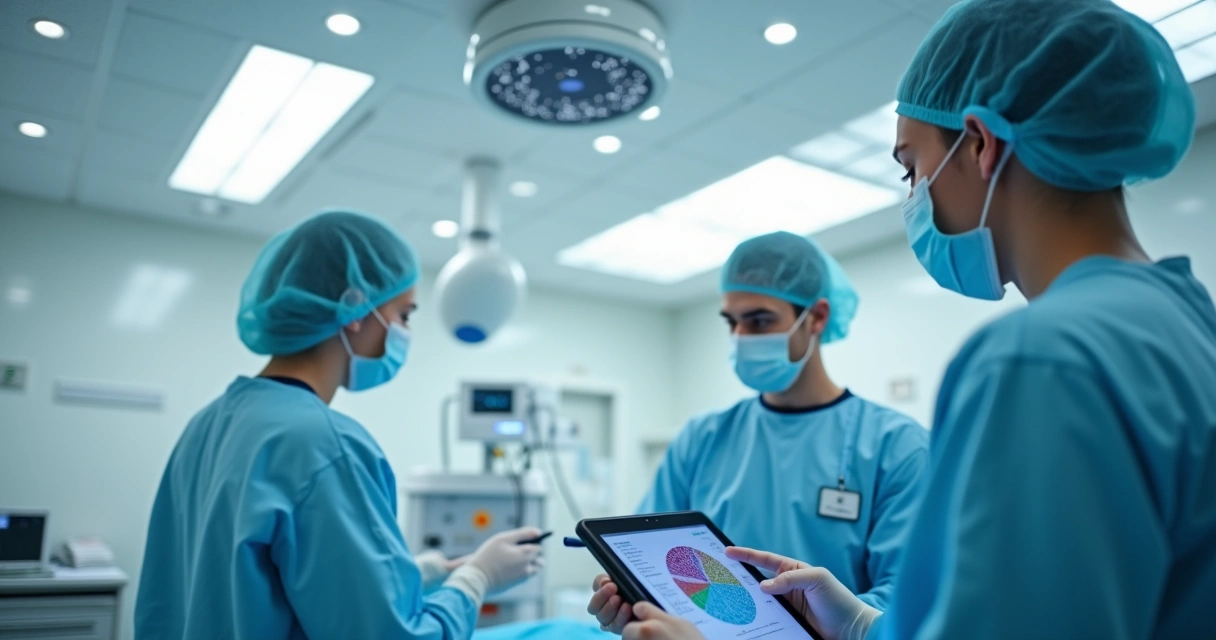
How do traditional solutions work?
Many hospitals and laboratories still rely on reactive systems. They basically trigger an alarm when a particle limit is exceeded. The problem is that in this scenario, the unwanted event has already happened. This means it may be too late to prevent losses or risks. In my readings and conversations with colleagues in the sector, I see that some competing companies deliver basically this approach: real-time monitoring, but with little analytical intelligence. The delivery is data, not a solution. That's where I believe DROME differentiates itself.
How does artificial intelligence transform monitoring?
Solutions based on artificial intelligence reinvent environmental monitoring in cleanrooms. Unlike traditional systems that only react, AI is capable of anticipating risks. With machine learning, it not only sees what has already happened, but detects patterns that show what is about to occur. At DROME, we use models developed with data from thousands of sensors, monitoring 24 hours a day. This allowed us to create a platform that recognizes small changes in equipment and environmental behaviors, predicting problems before they cause impact. This reduces response time and nearly eliminates the risk of unexpected outbreaks.
Anticipating is always better than remedying.
Integrating AI algorithms makes environmental monitoring not just a process, but a strategic ally for the entire hospital operation.
Efficient alarm management: overcoming operational fatigue
During a project where I worked monitoring cleanrooms, I noticed how the excess of alarms caused fatigue and, at times, inaction from teams. Whenever I discuss this problem with hospital managers, I hear similar reports. For this reason, I believe solutions like DROME gain an advantage. We prioritize alerts based on criticality, context, and history, reducing fatigue and keeping focus only on real risks. Those who want to understand more on the topic can delve deeper into content about managing multiple alarms in healthcare environments.
Sensor quality, calibration, and confidence in data
To ensure reliable results, it's not enough to have sensors installed. You need to invest in calibrated and certified equipment. In the environments I monitor, I never fail to reinforce the importance of periodic calibration to avoid unnecessary risks. For those seeking practical details on this topic, there is excellent material on a practical guide to sensor calibration.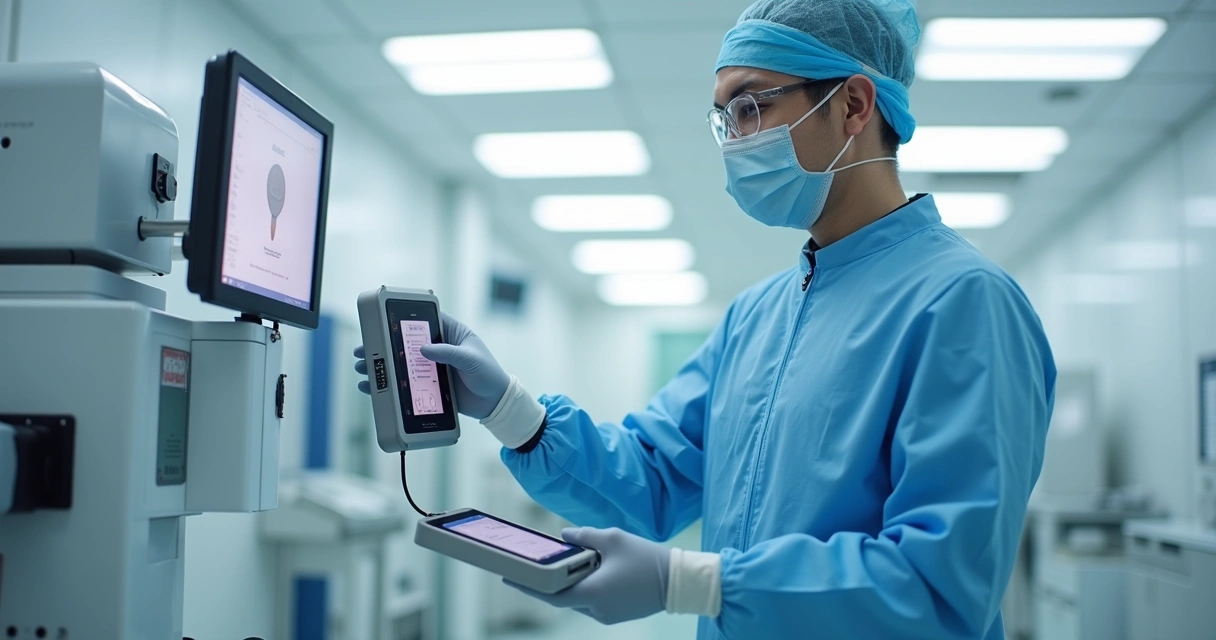 Additionally, caring for air quality is part of internationally recommended routines. That's why historical databases and intelligent reports have become mandatory parts of processes.
Overcoming challenges in sensitive supply storage
The risks of cross-contamination increase when particulate levels fall outside the ideal range. In critical situations, I found that quickly analyzing the history of environments helped me prevent new occurrences, especially when storing sensitive supplies and medications. For those who want to master the topic, I recommend reading about preventing cross-contamination when storing sensitive supplies.
Trends and future of particulate monitoring
In recent years, I've seen a clear trend emerge: the search for increasingly automatic, integrated, and predictive systems. Solutions that combine advanced sensors, real-time connectivity, and analytical intelligence are gaining prominence. At DROME, we constantly invest in research, updating models and expanding our database. This way, we offer not only predictability but also personalized recommendations for each type of environment. This trend already appears in sectors beyond hospitals, such as mobile laboratories or pharmaceutical sectors, where remote environmental monitoring has already changed complete procedures. There is also much evolution in advanced pressure and air quality control, which can be seen in cleanroom trends.
Conclusion: intelligence applied to healthcare, confidence in results
In summary, I believe that monitoring particulates in hospital cleanrooms is not just a differentiator: it's a daily requirement for those dealing with lives and process quality. Every second counts, every particle makes a difference. With intelligent platforms, like those we develop at DROME, risk control ceases to be a reactive process and becomes part of hospitals' strategic planning. In my opinion, seeking the best technological solutions brings not only more safety, but also economy and predictability to managers. If you also believe that anticipating risks is fundamental, I invite you to learn more about DROME's innovative solutions. Ensure the quality of your environment and experience a new level of operational control in your institution.