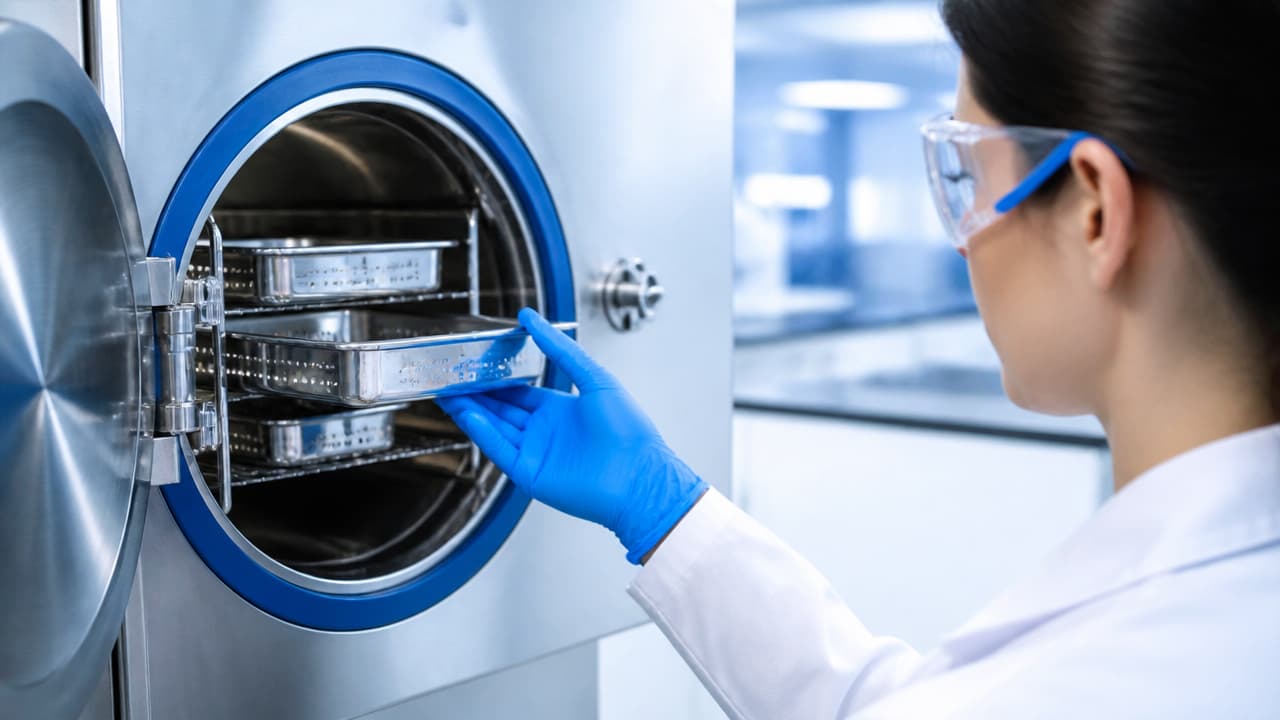
Yes, artificial intelligence can anticipate failures in laboratory autoclaves by recognizing subtle deviations in equipment behavior before they result in a shutdown, cycle rejection, or sanitary risk. This is especially valuable for laboratories, hospitals, and pharmaceutical areas that depend on stable and traceable sterilization. In practice, AI crosses temperature, pressure, time, vacuum, and operational history data to flag anomalies in advance.
This approach makes more sense when the autoclave is already monitored continuously. In that scenario, the technology shifts from being merely a reactive alarm to supporting maintenance, qualification, and operational decision-making. This is exactly the logic that guides DROME's approach, which combines telemetry, monitoring, and predictive models for critical environments.
Highlights that matter in practice
- Failure rarely appears out of nowhere: it almost always leaves gradual signals in the cycle.
- Predictive AI reduces operational surprise: it identifies abnormal patterns before interruption.
- The most useful data is straightforward: temperature, pressure, time, vacuum, alarms, and usage frequency.
- The biggest gain is not just technical: there is impact on compliance, productivity, and process safety.
- The model needs context: equipment history, load type, and laboratory routine make a difference.
Why autoclaves require a predictive approach
Autoclaves are critical equipment because small variations can compromise an entire process. When failure appears only at the end of the cycle, the damage has already occurred—whether in rework, schedule delays, material waste, or non-compliance risk.
That's why waiting for the final alarm is a weak strategy. Autoclave behavior changes gradually: slower heating, pressure oscillation, inconsistent drying, repeated micro-alarms, or increased total cycle time. An attentive operator may notice some of these signals, but AI can detect repetitive patterns with far greater consistency.
How AI predicts failures before shutdown
Prediction works because the model compares the current cycle against the expected pattern for that equipment. Instead of only asking if an error occurred, the analysis evaluates whether the operating curve is drifting from normal for that autoclave, in that routine, and with that usage profile.
In practice, the system learns from thousands of records. It identifies combinations like slower heating paired with pressure spikes, or subtle performance decline after a certain number of cycles. When this deviation repeats, the platform generates a predictive alert and suggests inspection, adjustment, or maintenance before failure interrupts operations.
This is where a solution like DROME becomes relevant. By transforming operational history into practical recommendations, the team stops acting only after the problem and starts prioritizing real risk.
What data does an autoclave need to generate for analysis to work?
The good news is that prediction doesn't depend on exotic data. The essential is capturing variables that are already part of operations and organizing them into reliable historical series. The better the quality of this history, the more useful the model tends to be.
- temperature by cycle stage
- internal pressure and variation over time
- heating, sterilization, and drying time
- vacuum events and seal stability
- door opening, interruptions, and alarms
- applied load, usage frequency, and maintenance windows
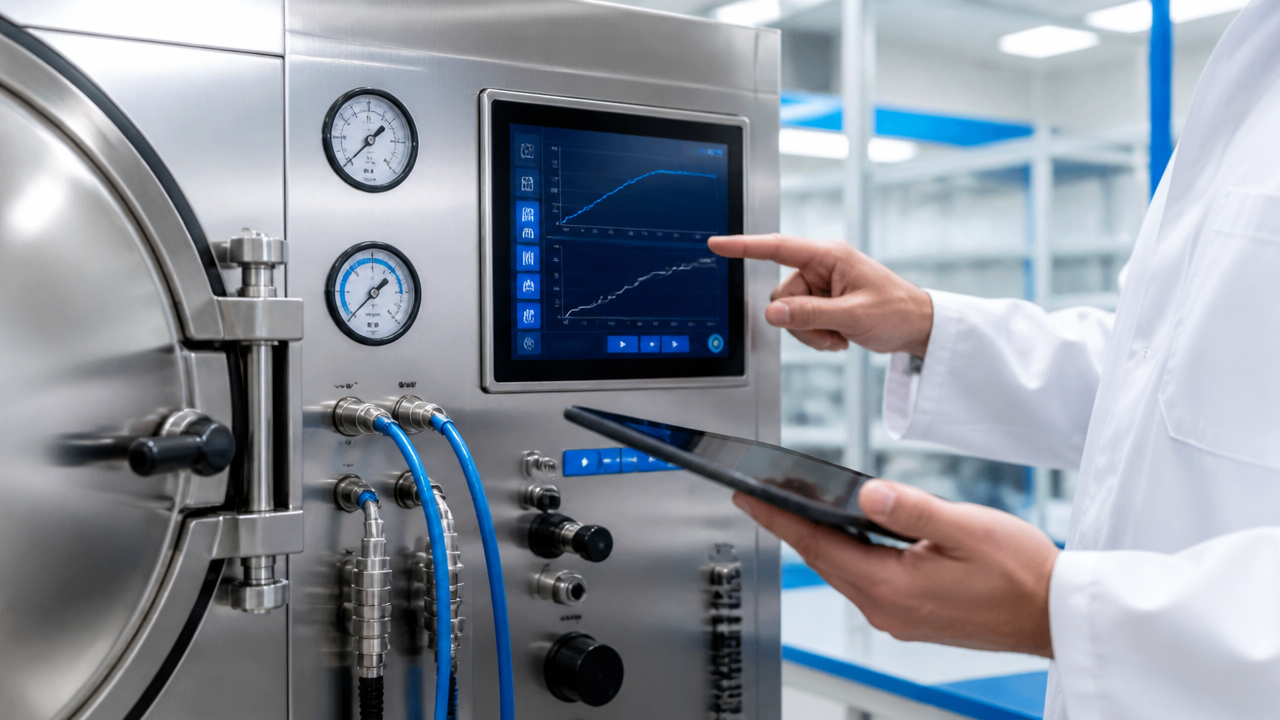
With this set, AI can move beyond basic monitoring and advance to trend analysis. The value lies not in isolated data, but in the relationship between them over time.
What signals typically appear before failure?
The most useful precursor signals tend to be discrete. Precisely because of this, they go unnoticed in busy routines and end up being treated as normal variation until failure solidifies.
| Signal observed | What it may indicate | Operational risk |
|---|---|---|
| Slower heating | resistance losing efficiency or buildup | cycle outside validated standard |
| Pressure oscillation | leak, worn seal, or unstable sensor | inconsistent sterilization |
| Irregular drying | vacuum failure or recurring overload | wet material and rework |
| Increased micro-alarms | progressive component degradation | unplanned shutdown |
| Longer cycles | loss of overall performance | productivity decline |
When these signals are analyzed together, prediction becomes far more accurate than a single manual check. The team stops reacting to the final symptom and starts acting on the probable cause.
Does AI replace maintenance, calibration, and qualification?
It does not replace them. Artificial intelligence complements the process by prioritizing risk, indicating trends, and helping decide when to act. Calibration, qualification, and maintenance remain formal and essential steps to ensure compliance and safety.
The gain is in using technology to make these routines smarter. Instead of intervening only by schedule or after failure, the laboratory can combine preventive planning with real operational evidence. This improves technical team allocation and reduces unnecessary interventions.
Where is the return for laboratories and hospitals?
The return appears when predictability improves. An unavailable autoclave affects schedules, material processing, team turnover, and continuity of critical routines. The earlier the deviation is identified, the smaller the operational impact tends to be.
Beyond availability, there are gains in traceability and decision-making. With centralized history and contextualized alerts, it becomes easier to investigate root cause, justify maintenance, and document equipment behavior. In environments with many assets, like those served by DROME, this type of intelligence scales better than manual monitoring.
How to start a failure prediction project for autoclaves
The best start is simple: measure well, standardize data, and choose an objective use case. Trying to predict everything at once usually generates noise and delays results. With autoclaves, it's worth starting with failures that most affect availability or cycle consistency.
- map which variables are already collected today
- ensure reliable history and equipment identification
- classify past failures and maintenance events
- define alerts with real operational value
- validate the model with technical team and floor routine
When this foundation exists, AI stops being a generic promise and becomes an operational tool. The goal is not to predict the future, but to reduce uncertainty enough to act earlier and with more confidence.
Frequently asked questions
What are the common problems that can occur in an autoclave?
The most common problems include temperature deviation, pressure out of range, compromised seal, vacuum failures, miscalibrated sensor, excess load, and power interruptions. In many cases, the equipment still operates but loses consistency—exactly the type of risk that predictive analysis helps reveal early.
What could it be when the autoclave cancels the cycle?
When the autoclave cancels the cycle, the cause is usually linked to heating failures, insufficient pressure, poorly latched door, inadequate water level, or incoherent sensor reading. AI helps by identifying patterns that precede this interruption and guides the team to act before shutdown.
How to calibrate the autoclave?
Calibration depends on the model, but generally involves sensor verification, comparison with traceable instruments, and adjustment per manufacturer procedure and qualification routine. AI does not replace formal calibration, but flags gradual deviations that suggest the need for technical review.
How many minutes is the autoclave cycle?
Cycle time varies by load, temperature, material type, drying stage, and equipment configuration. That's why the most important thing is not a fixed number, but process repeatability. Predictive analysis observes whether the actual cycle pattern remains compatible with validated operation.
What does ANVISA say about sterilization in autoclaves?
Applicable regulation requires process control, traceability, qualification, and evidence that sterilization was effective. In practice, this means monitoring critical variables and acting on deviations. AI-enabled solutions strengthen this control by transforming equipment data into alerts and preventive recommendations.
Read next

AI in the Lab: 7 Settings for Advanced Control
Discover 7 AI configurations that strengthen laboratory control, anticipate failures, and make alerts and decisions more actionable in criti…

Checklist to Prioritize Laboratory Alerts
Learn to organize multiple laboratory alerts with a practical checklist, priority criteria, and AI-powered monitoring support.
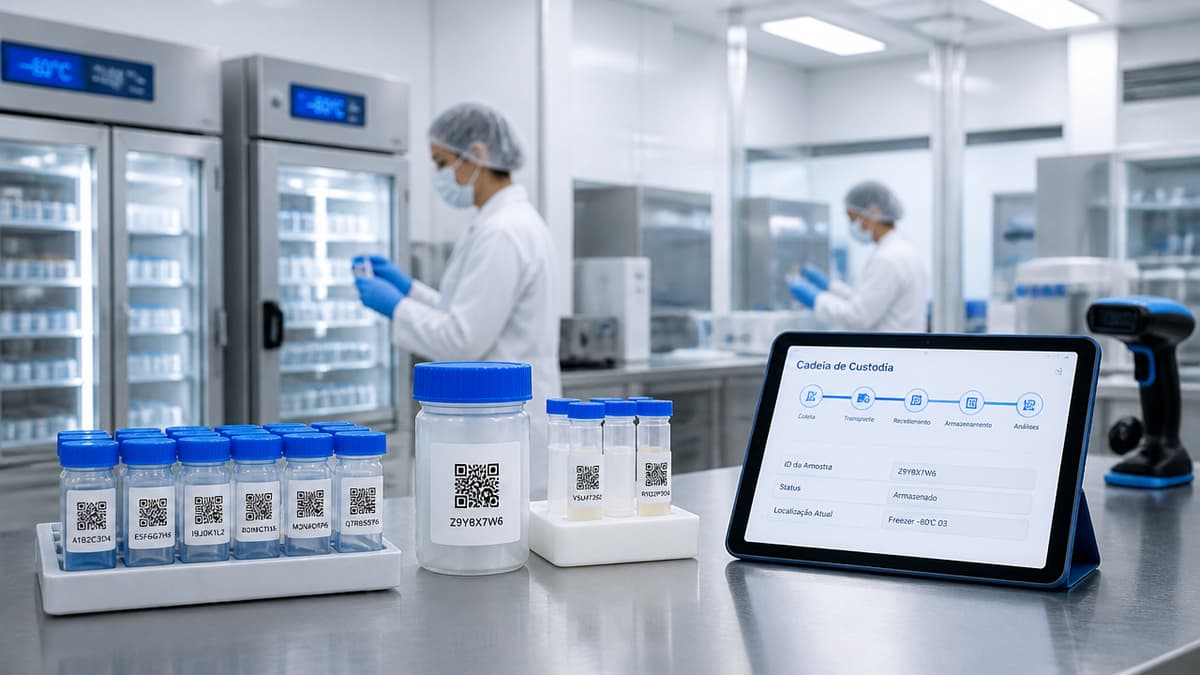
5 Tips to Strengthen Traceability in Laboratories
Learn five practical actions to improve digital traceability in laboratories, reduce deviations, and gain greater operational control.