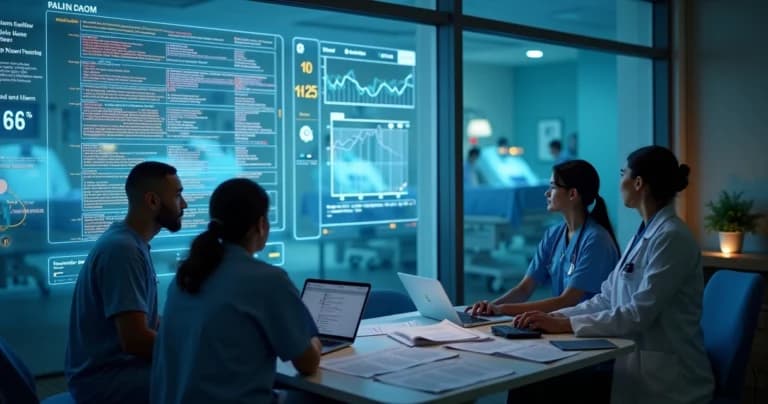
Throughout my experience managing critical healthcare environments, I've observed how excessive alarms in hospitals transformed from a solution into a problem. Believe it: alarms should protect, but when constant and poorly designed, they go unnoticed. And every time that happens, a silent risk grows throughout the hospital.
Understanding alarm fatigue in hospitals
In hospitals, technology brought monitoring of virtually everything. Vaccine refrigerators, patient beds, biomedical equipment. But alongside this evolution came "alarm fatigue": a situation where staff receive so many alerts that they begin ignoring them, missing truly important events.
When everything demands attention, nothing captures attention.
In my experience, I've seen cases where a temperature change of just a few degrees in a refrigerator, even detected by the sensor, took time to trigger a response. The reason? Hundreds of indiscriminate alerts, confusing urgency with noise. Such failures have already impacted supplies, procedures, and unfortunately, patient care.
Risks of excessive alarms
The problem isn't the alarm itself, but how and when it sounds. Excessive simultaneous notifications create real risks:
- Teams neglect or delay responses to dangerous events;
- False alarms generate stress among healthcare professionals;
- Decisions made without prioritization harm operations and safety;
- Managers lose confidence in the monitoring system.
I've spoken with technicians who admitted: "it went off, but I thought it was just another error." This illustrates how saturation damages the hospital environment. And, ultimately, it can be fatal.
Why traditional systems fail
Conventional systems operate reactively. They only inform after a failure has already occurred. They're unable to distinguish momentary variations from truly concerning situations. Others fail to adapt to behavioral patterns and environmental learning.
This approach generates unnecessary notifications, ignoring context and critical timeframes, leaving teams hostage to repetitive alarms.
How to prevent these failures
In my view, the path forward begins with reconsidering the purpose of alarms. The alert should be a professional's ally. It should anticipate real problems and not interrupt routines over minor deviations.
I've outlined some practical steps that, once adopted, transform how organizations handle alarms:
- Review sensor parameters: Alarms should be customized. Each hospital area has different needs, so properly adjusted tolerance ranges reduce noise.
- Analyze usage patterns and timeframes: Systems should understand when events are expected and when they're anomalies. An unusual spike after hours needs attention, not just logging.
- Record and learn from history: Maintaining analysis of past events helps define what's truly relevant. Equipment behavior itself improves response quality.
- Automate routines and escalation: Notification alone isn't enough: information must reach different decision-making levels based on severity.
- Apply artificial intelligence to filtering: AI models can predict critical situations and reduce false positives.
The advantage DROME delivers
DROME was built to transform operational data into anticipatory decisions, especially in critical environments. What I find most relevant in our approach is the ability to combine historical data, continuous monitoring, and machine learning models to filter what truly matters.
Our solution learns from the hospital's actual patterns and automatically adjusts parameters, drastically reducing false alarms.
The database built by DROME enables algorithms to recognize trends and anticipate risks before they impact supplies, procedures, or patient wellbeing. Other systems, even some well-known competitors, often lack this predictive integration, falling back on that old reactive pattern.
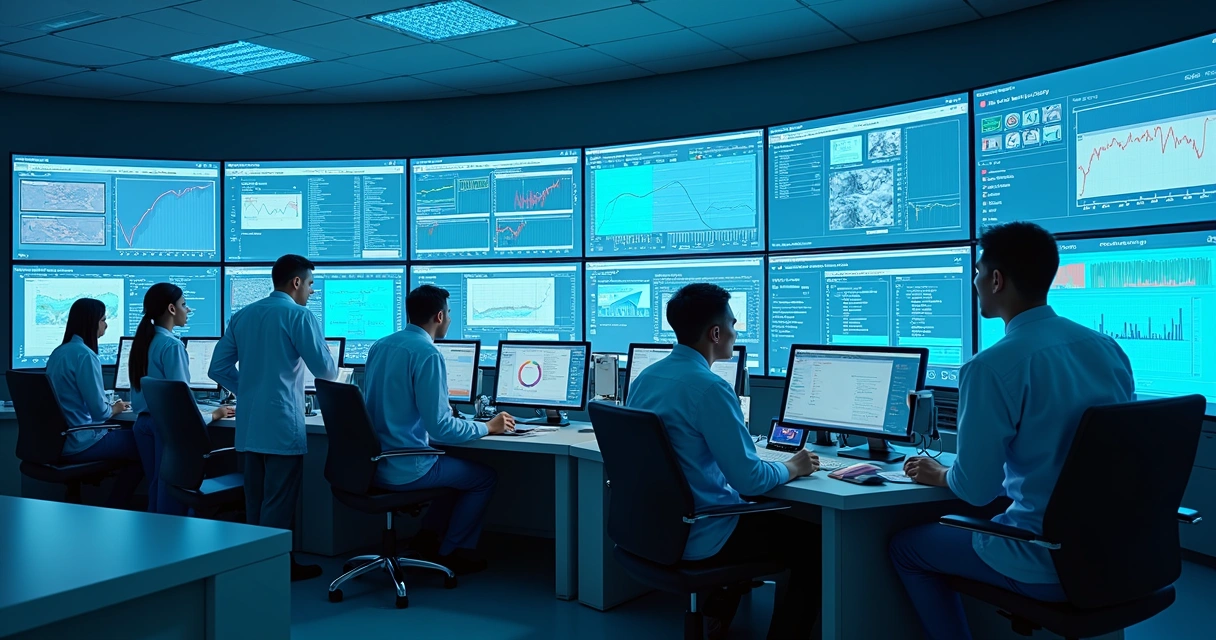
Additionally, DROME provides intuitive dashboards, clear visual indicators, and practical recommendations for decision-making. The purpose here goes beyond simple monitoring; it's building a reliable support network for those who save lives daily.
In a transparent comparison with other market players, I notice that while many simply record occurrences, DROME delivers intelligent reporting, continuous learning, and constant reduction in response time.
Automated monitoring and predictive maintenance
Any platform's success depends on an automated cycle spanning from monitoring through support actions and sensor maintenance. This prevents human errors and inefficiencies typical of manual activities. I've shared previously how automating the maintenance cycle reduces the risk of still-invisible technical failures.
When the system understands not just when to notify, but also when to suggest maintenance or intervention, critical environment care reaches another level.
Integration with proactive support
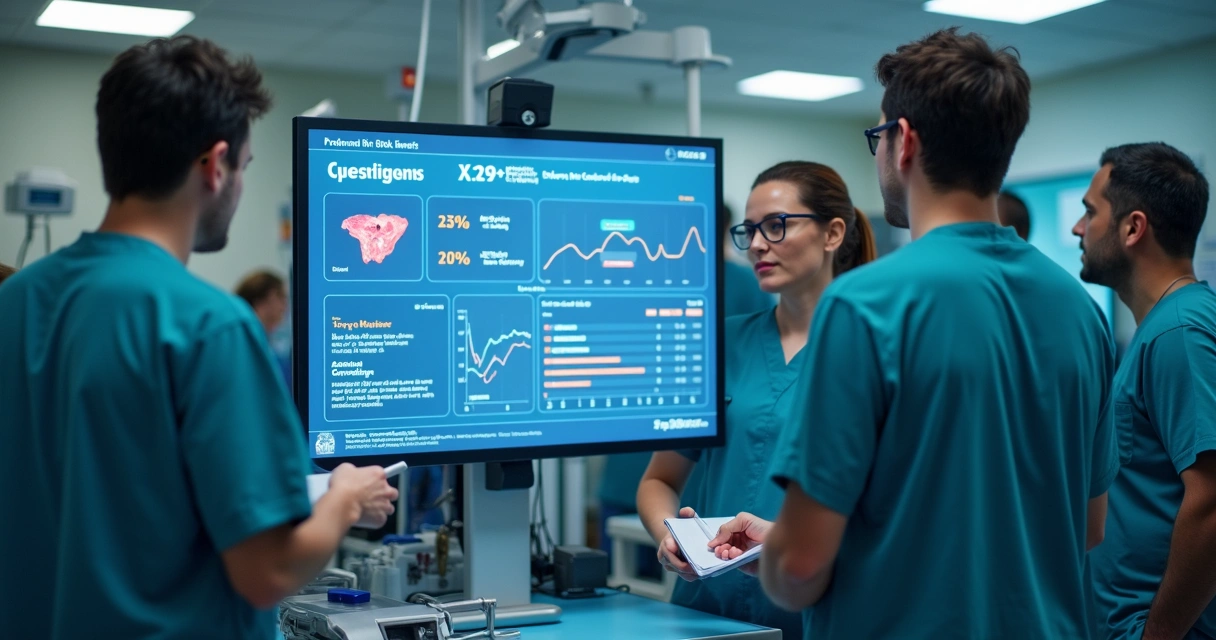
I believe proactive support makes all the difference in the hospital journey. I've discussed proactive support strategies that transform intervention scenarios in hospitals. When the team works alongside the system, the response cycle becomes more intelligent and safer, removing the burden of improvisation during crises.
The shift to predictive alarms
For me, the major breakthrough is migrating from reactive to predictive logic. This requires cultural change, technology investment, and consistent partnership with those who understand hospital daily operations.
In this sense, I strongly recommend understanding how this migration occurs in practice and what results are already emerging in Brazilian hospitals.
Failure mapping and continuous adjustment
Another rarely discussed but extremely valuable aspect is incident management and periodic review of sensors and parameters. Often, failures lie not just in excess, but in the telemetry system itself. For those wanting to go deeper, I suggest reading about resolving telemetry sensor failures in hospital settings.
Every minute without response to a critical event can have unpredictable consequences.
Managing multiple alarms intelligently
Managing multiple alarms requires organization, hierarchy, and robust technology. Not every alarm carries equal weight, so intelligent tools for managing alarms in critical environments are essential for separating the significant from the trivial.
And when this management relies on reliable data and artificial intelligence, as DROME does, teams feel the difference within days.
Conclusion
Throughout my journey supporting hospitals, I've witnessed how excessive alarms can be dangerous. But I've also seen the transformation that an intelligent, predictive approach delivers. DROME provides not just technology, but confidence, predictability, and real safety for teams and patients.
The future of critical healthcare environments has already begun. Are you ready to predict, rather than merely react?
If you want to learn more about how our solution can change the game in your hospital, I invite you to get in touch. Let's build safer, more proactive, and more human environments together.