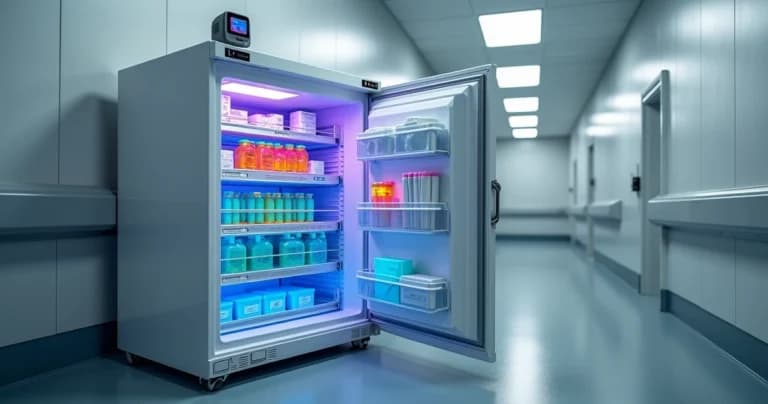
Thermography in clinical freezers has become one of my preferred tools for achieving precision, speed, and confidence in managing critical healthcare environments. With twenty years witnessing monitoring technologies evolve from manual systems to intelligent solutions, I see a transformative landscape today. Thermography combines science and vision—literally—to guarantee the integrity of medications, samples, and reagents. I'll share here a practical visual guide, based on what I've learned from field experience and how I see DROME transforming this universe. My intention is to bring clarity, inspiration, and solid practical guidance for those seeking the best alternative in active risk management.
Why is thermography the safest choice?
When integrity depends on minutes, refrigeration errors can compromise everything. Thermography not only identifies variations but visually maps temperature differences with precision, quickly revealing risk points invisible to the naked eye. I've witnessed situations where a simple thermal map exposed hidden failures long before conventional alarms triggered.
Visualization is the first step to act before the problem occurs.
Traditional solutions tend to be reactive. They notify only when the failure has already affected the freezer, samples, or medications. This didn't convince me, especially after seeing how intelligent platforms, like those offered by DROME, can anticipate risks and suggest preventive interventions. Unlike some competitors focused solely on alarms and notifications, DROME brings a powerful layer of predictive analysis, integrating historical data and artificial intelligence into visual monitoring. This makes all the difference.
How does thermographic analysis work in clinical freezers?
It's simple, but brilliant. We use thermographic cameras to capture heat images, building color maps where each color represents a temperature range. By applying these sensors to freezers, we can identify:
- Thermal leak points
- Ice accumulation that reduces efficiency
- Zones at risk of overheating or under-cooling
- Refrigeration system imbalance
- Infiltrations and seal failures
In my tests, rapid identification of these issues prevented significant losses in laboratories and hospitals. What might seem like a detail often hides causes of major damage.
Step-by-step guide to applying thermography in critical environments
In routine practice, I learned that preparation is part of the secret. Follow this step-by-step process:
- Choose an appropriate thermographic camera: Some are portable, others can be fixed and integrated into the monitoring system.
- Turn off the freezer for a maximum of 5 minutes before analysis, if possible. This stabilizes abrupt variations caused by door opening.
- Perform internal and external scanning, mapping all surfaces, especially door seals and junctions.
- Record readings and save thermal maps for comparative analysis.
- Repeat the process periodically or integrate sensors for continuous analysis.
The difference between sporadic testing and integration into a predictive platform lies in the details. Modern systems like DROME's allow crossing thermography data with artificial intelligence, anticipating failure patterns and guiding maintenance before damage occurs. I've seen firsthand how this type of analysis reduces costs and increases operational safety.
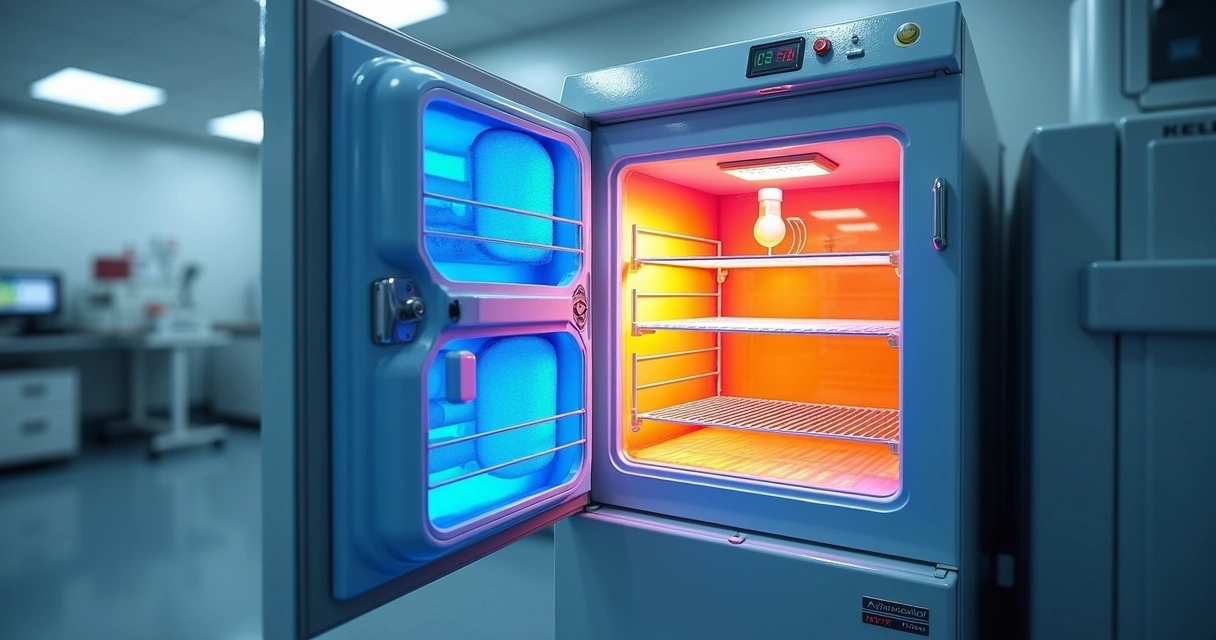
When to invest in continuous and predictive thermography?
My experience shows that each environment has its demands, but I recommend continuous thermography for:
- Clinical analysis laboratories
- Biomedical research centers
- Hospitals with sensitive inventory
- Vaccine and pharmaceutical industries
Integrating operational history and active monitoring expands the system's predictive capacity. The more historical data, the greater the precision to predict failures and guide interventions before real damage occurs. In various situations, I've seen intelligent sensors detecting micro variations and triggering teams to correct seal failures and prevent major damage. This is what differentiates a proactive system from a purely passive one.
What are the most serious errors I've witnessed by ignoring thermography?
I've witnessed losses of valuable supplies due to undetected failures in freezers with only point sensors. More than once I've seen high losses from not checking critical zones like doors, internal drawers, and high-manipulation regions. Those who only look at general indicators miss valuable details. The absence of predictive visual monitoring is a risk not worth taking in environments where minutes are decisive.
How does DROME outperform competitors in predictive monitoring?
I've compared solutions based solely on simple alarms, which depend on the error already occurring to act, against DROME's intelligent model. The platform combines visual monitoring, telemetry, and artificial intelligence, not just collecting but continuously learning. While some competitors remain restricted to common alerts, DROME offers practical recommendations and automation of corrective processes, something essential in my view for those dealing with critical environments.
Additionally, DROME integrates historical data and IoT sensors, creating a solid database. This base makes the system smarter with each recorded event, increasing response and prevention accuracy. Other companies are still trying to reach this level, but I see DROME several steps ahead, especially when comparing usability and user support.
Practical tips to maximize thermography use
I share some guidelines that have always made a difference:
- Configure personalized alerts for different risk ranges.
- Periodically review critical points inside and outside freezers.
- Integrate environmental sensor data, such as humidity and occupancy.
- Maintain a photographic history of thermal maps to support decisions.
- Create checklists following detailed references like the preventive maintenance checklist for laboratory freezers.
I take the opportunity to recommend other reference readings after this guide: on AI predicting maintenance in hospital freezers, temperature monitoring in sensitive chains, practical actions for energy efficiency in cold chambers, and on how to avoid failures in IoT sensors in the cold chain. These contents deepen what I've shared here with practical perspective.
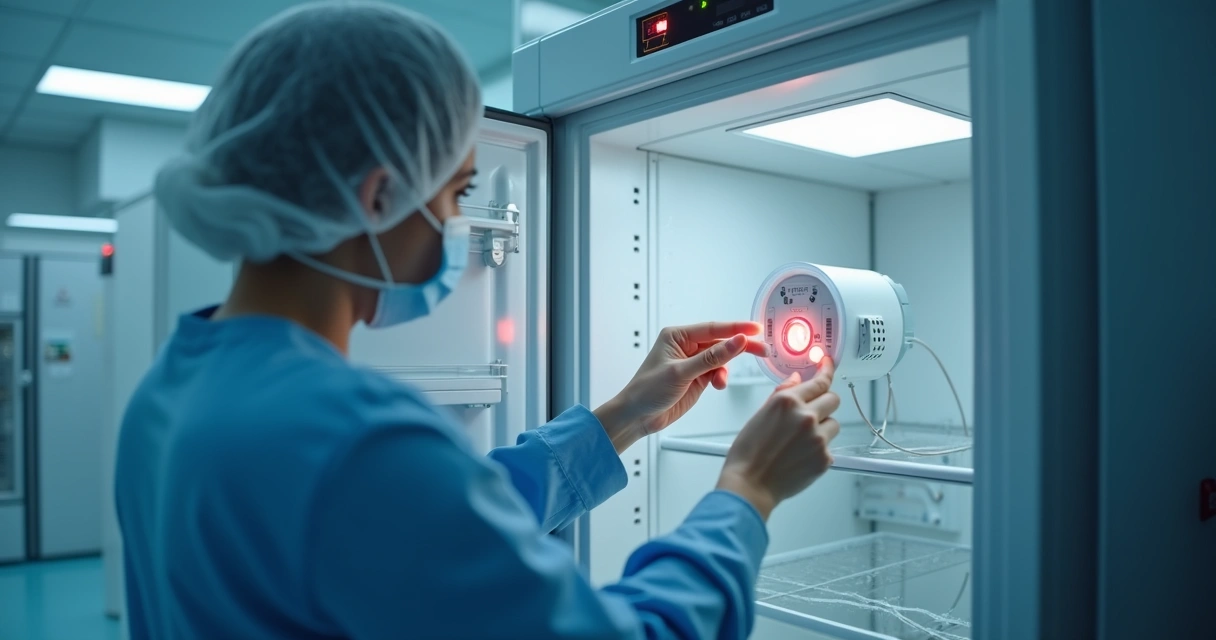
Concluding: take action before the problem arises
In my understanding, relying solely on luck is not an option when dealing with lives and sensitive resources. Thermography applied with intelligence guarantees a new standard of safety in clinical freezers. Investing in predictability, automation, and visual precision reduces risks, facilitates routine, and still generates significant savings.
If you want to transform your critical environment management, have all these benefits on your side, and elevate the safety level of your supplies and patients, I recommend that you learn in more depth how DROME's solution can be what was missing for your operation to be more agile, reliable, and prepared for any situation.
The difference between acting quickly and regretting losses is just a click away. Discover DROME and transform your operation.