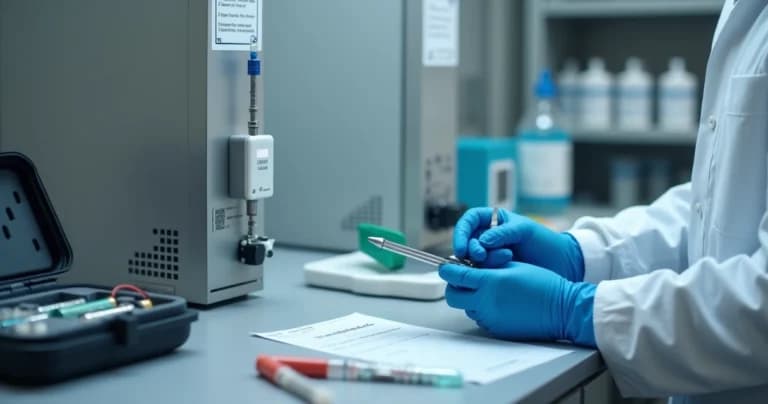
When I start conversations with professionals facing the challenge of monitoring environments like laboratories, cold storage facilities, or industrial areas, I notice that many questions arise right after choosing autonomous sensors. These questions aren't just technical—they reflect the real impact these technologies have on day-to-day operations. As someone who experiences this transformation firsthand, particularly through advances in DROME Predict, I've compiled the most common questions I hear about sensor maintenance, and more importantly, how to answer them with confidence and clarity.
How does autonomous sensor maintenance work?
Initially, the definition of autonomous sensors often creates confusion: after all, what's the difference from common sensors? The answer lies in a single word: independence. Autonomous sensors have their own power supply, remote communication, and greater resilience to operational failures, which reduces unscheduled downtime.
Because they're self-sufficient, they avoid the need for complex wiring, but that doesn't mean they don't require maintenance.
The care cycle for these sensors includes:
- Periodic battery level checks;
- Cleaning of sensitive surfaces;
- Connection and communication checks;
- Firmware updates and calibration, when permitted by the manufacturer.
With embedded sensors, like those offered by DROME, the platform's user-friendly interface alerts immediately in case of anomalies, minimizing response time for any adjustments.
How often does maintenance need to be performed?
There's no single rule. I've found that frequency depends on the environment, the application, and the technology used in the sensor itself.
Sensors in frequent contact with dust, extreme cold, or humidity variations may need monthly inspections, while others in more predictable environments can handle semi-annual or annual maintenance.
In DROME Predict, for example, algorithms analyze equipment history and identify wear patterns or signs of imminent failure. This anticipation is fundamental to transforming corrective maintenance into planned procedures, which generates predictability and cost reduction.
I've written in more detail about how preventive maintenance planning for IoT can be improved with continuous monitoring. Those interested in going deeper can learn how to combine strategy and technology in preventive maintenance.
What signs indicate maintenance is needed?
Working with teams across various areas, I've discovered that certain symptoms repeat in autonomous sensors.
- Constant low battery alerts;
- Unstable readings or outside historical patterns;
- Failures in communication with the central system;
- Slow responses or missing data in recent reports.
When I detect any of these signs, I act quickly. DROME Predict actually generates automatic reports and intelligent notifications not just after the problem occurs, but also when it detects failure trends, anticipating situations before they worsen.
Anticipating is better than remedying.
Is it easy to replace sensor parts or components?
Unfortunately, not all models offer convenience in this regard. With some manufacturers, I've found that battery replacement still requires specific tools or complete sensor disassembly, which delays service.
In the case of DROME sensors, practicality is the priority. We've developed models with quick battery access and shielded connectors that facilitate cleaning and repairs. This makes a difference for teams that need agility and don't want to depend on external assistance.
The simpler the access to critical components, the less downtime for equipment.
What care extends sensor lifespan?
After many years in the industry, I'm certain that most problems are preventable with simple routines.
- Avoid prolonged exposure to direct sunlight;
- Gently clean surfaces without aggressive liquids;
- Protect against mechanical shocks or drops;
- Store replacement parts in dry, ventilated locations.
DROME itself offers customers detailed guidance on conservation procedures. This appears in training sessions and even in system interfaces, always reinforcing best practices for use.
For those interested, I've detailed some of these specific applications in an article on sensors in cold storage environments, extreme use situations where care makes all the difference.
How does remote monitoring work for maintenance?
Remote monitoring is, in my opinion, the greatest differentiator of modern autonomous sensors. We're not just talking about monitoring from a distance, but accessing histories, setting custom alerts, and even triggering automatic maintenance routines based on real conditions.
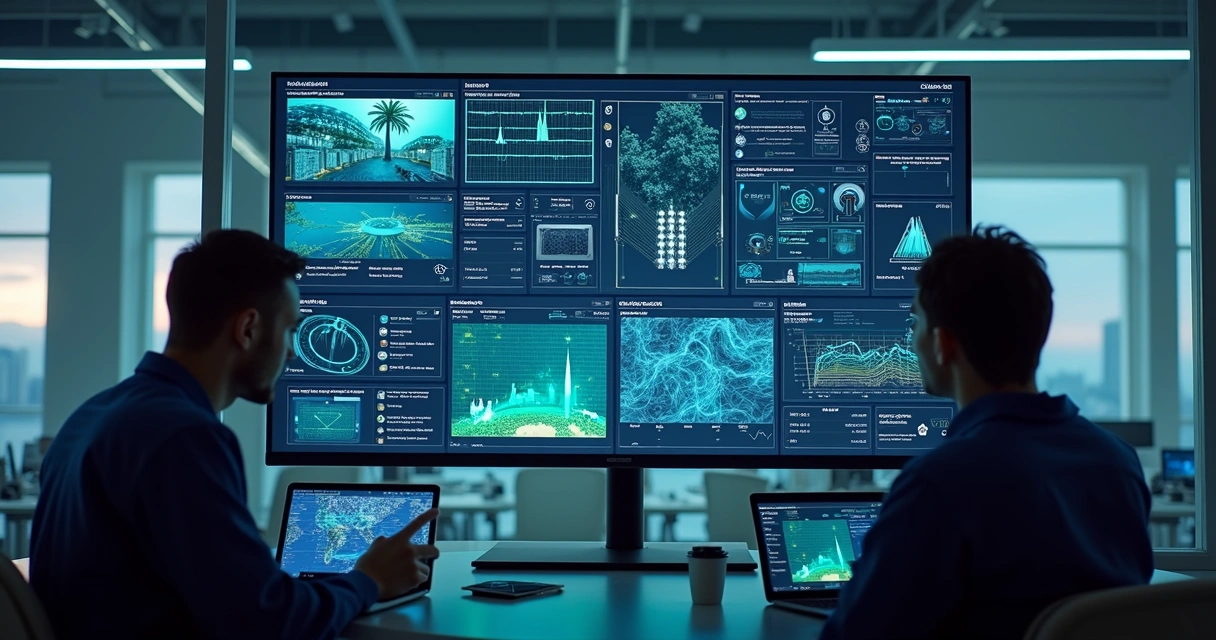
Complete solutions like DROME deliver interactive dashboards where you can see real-time status and receive recommendations based on advanced data analysis.
This intelligence behind the system removes responsibility from a single technician and distributes knowledge across the entire team. Speaking about this, I've written in detail about how autonomous maintenance reduces failures in laboratories in this recent case study.
What's the impact of autonomous sensors on team routines?
This point impresses me continuously. Before using autonomous sensors integrated with systems like DROME Predict, it was common for technicians to lose hours on manual tasks: recording measurements, physically checking each piece of equipment, and filling out reports. Now, the same person can dedicate themselves to analysis, planning, and improvements.
Shorter response time means less loss and more peace of mind.
For those interested in automating processes even further, I recommend reading about automatic action plans in case of sensor failure. This fully complements the concept of truly autonomous maintenance.
Do autonomous sensors also fail? What to do in those cases?
No system is infallible, and I've witnessed situations where, even with all the technology, a sensor stopped recording data due to electromagnetic interference or simply exceeded its lifespan. The secret lies in quick reaction and contingency protocols.
Robust systems like DROME Predict feature communication redundancy, multiple failure alerts, and in some cases, automatic recommendation for replacing the most critical sensor.
Additionally, well-designed processes and reliable history favor decision-making, whether for correction, preventive replacement, or detailed investigation of the event.
Other vendors even offer similar options, but none I know of offer the combination of automatic prediction, ease of maintenance, and complete integration like DROME. This security is something that really makes a difference in teams' daily operations.
Is it possible to prevent failures before they occur?
Yes, and that's precisely DROME Predict's most powerful differentiator. Instead of alerting only after the error, the platform learns the expected behavior of each sensor and triggers alerts even before any violation occurs.
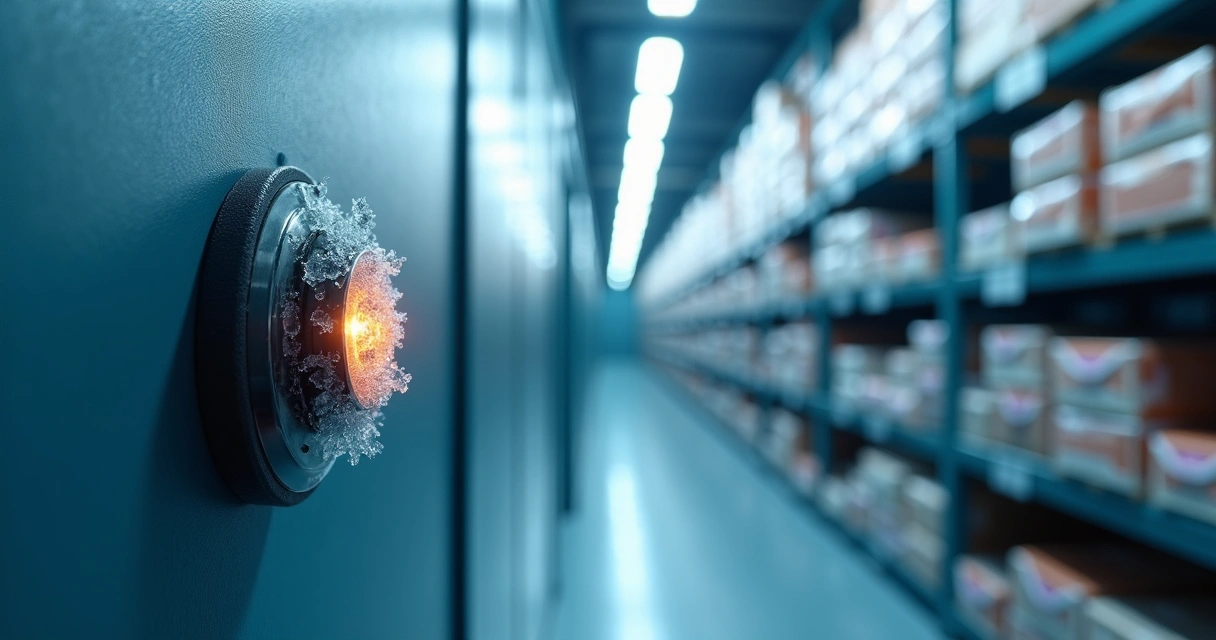
This type of approach, which can be seen in a text on cold chain, has already saved sensitive materials and helped customers avoid losses from product spoilage or regulatory fines.
How do I start improving my sensor maintenance?
After all these answers, I always advise that the first step is to understand the available technology well, and most importantly, realize that the combination of reliable sensors and predictive intelligence makes all the difference.
Anyone who truly wants to transform their routine and increase process safety can be sure that investing in a solution like DROME will deliver returns in a short time.
The future of maintenance has arrived. And it is autonomous and intelligent.
If you want to learn more about how DROME can help your operation, visit our content and speak with our specialists. The next evolution in caring for your sensors can start now.