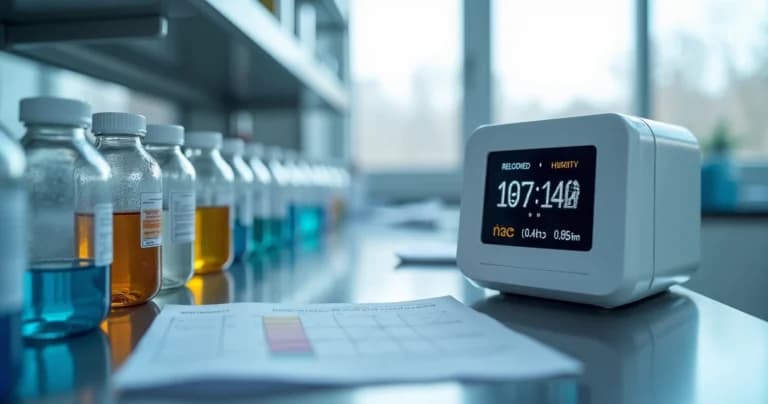
Environmental Variables Affecting Reagent Validity
Throughout my years studying and working with critical environments, I've realized that maintaining reagent validity may be among the greatest challenges, especially in laboratories, hospitals, and pharmaceutical industries. It's not just a matter of constant vigilance, but of understanding how different variables can act subtly and silently, ultimately causing enormous losses. It's no exaggeration to say that just a few degrees or minutes make a difference, and I've witnessed such situations firsthand.
I see that in this sensitive scenario, platforms like DROME are revolutionizing how we ensure the quality and safety of chemical inputs. Believe it: monitoring is not enough—you must anticipate.
Why Do Reagents Require Special Attention?
Reagents are essential substances for analyses, diagnostics, and research. Their validity is directly related to their ability to deliver reliable results. If ideal conditions are not maintained, risks range from incorrect results to the loss of entire batches, jeopardizing procedures, finances, and even people's health.
In my routine, I've seen entire inventories discarded due to events that could have been predicted. That's when I realized the value of systems that deliver more than simple alerts. Predictive platforms prove superior.
Main Environmental Variables Affecting Reagent Validity
Temperature: The Hidden Danger
The influence of temperature on reagent stability is undoubtedly the most well-known. However, I know many underestimate small variations. A sudden spike can trigger unwanted chemical reactions, accelerate degradation processes, or alter the physicochemical properties of compounds.
- Biological reagents tend to be more heat-sensitive, with accelerated degradation above 8°C.
- Organic compounds can have their volatility altered, which directly impacts the final concentration of tests.
- Even reagents that tolerate ambient temperatures can suffer damage from brief exposures to anomalous temperatures.
In my experience, solutions like DROME go beyond the traditional approach and analyze historical data to predict refrigeration failure risks, preventing losses before they occur (environmental data and loss prevention in inventories).
Humidity: A Slow and Persistent Enemy
Not everyone gives proper attention to humidity, but it can be as harmful as heat. Many reagents have high affinity for water and are hygroscopic. Excessive humidity can cause hydrolysis, pH alterations, precipitate formation, or premature solute dissolution.
- In tropical environments, controlling humidity is a real challenge, as I've experienced in laboratories without adequate air conditioning.
- For reagents stored in open or poorly sealed bottles, the impact is even faster and more severe.
- Traditional monitoring systems typically ignore or record variations too late; the DROME platform anticipates risks by recognizing dangerous patterns.
Light: Invisible Radiation and Its Risks
Exposure to light, especially UV, can accelerate degradation processes in many compounds, particularly pigments, vitamins, pharmaceuticals, and photosensitive reagents. I've witnessed color changes and precipitation in solutions simply from improper exposure to ambient lighting.
- Some protective bottles are insufficient if storage doesn't follow rigorous protocols.
- Smart sensors can detect variations in light levels and issue alerts, but as I've discussed with colleagues, the real differentiator is predicting exposure trends, not just recording the fact.
Calibration and Quality of Environmental Sensors
I'm convinced that without well-calibrated sensors, there's no way to trust environmental records. Failures occur—I've seen sensors fail without any indication in competing systems. DROME offers resources that monitor sensor performance over time, supporting teams in calibration and maintenance (practical guide to sensor calibration in controlled environments).
Opening Cycles and Movement Patterns
It's common to overlook the impact of frequent refrigerator door openings, for example. Each event rapidly alters internal conditions. In critical environments, I typically recommend analyzing these routines to predict times of greater vulnerability—something present in DROME's intelligence and rarely seen in traditional solutions.
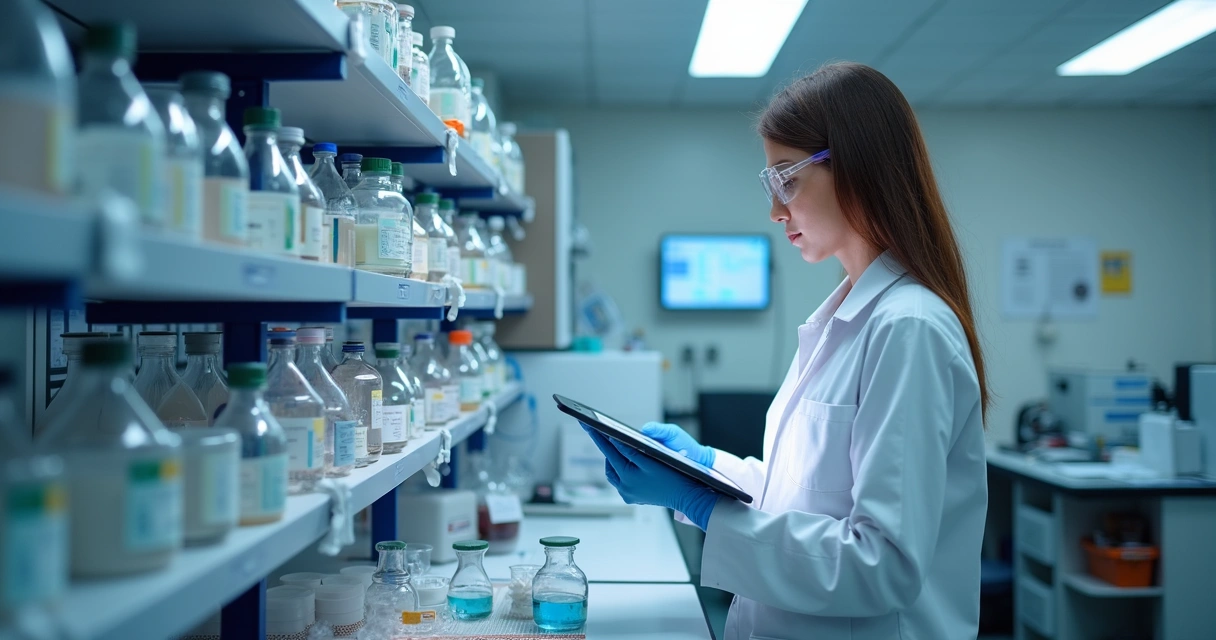
Consequences of Environmental Control Failures
I've witnessed the following problems arise more than once from lack of control:
- Erroneous laboratory results, delaying diagnoses or leading to inappropriate treatments
- Loss of expensive input batches, impacting finances and inventory management
- Compromised audits and certifications in regulated environments
- Waste with significant environmental impact, a topic I addressed in another article on the environmental impact of refrigerated input waste
Minimizing these risks requires a predictive approach and technology aligned with critical environment needs.
I've Monitored—Now What?
I've followed many managers who, even with data in hand, struggled to interpret it. Monitoring is only the first step. The quality leap lies in transforming that data into prevention. That's why I believe artificial intelligence applied to monitoring is the best choice for environments where every minute counts. At DROME, technology already works to identify patterns indicating risk before damage occurs.
Why Does Anticipation Make a Difference?
Prevention is always better than remediation.
Anticipating failures means less waste, greater result safety, less stress for teams, and lower environmental impact. This keeps institutions less exposed to negative audits, fines, or legal proceedings.
This is precisely where I see DROME standing out against competitors. I've used other market solutions, but I rarely found platforms with such advanced predictive analytics capabilities, integration with multiple data sources, and personalized support.
Extending Reagent Shelf Life: Practical Tips
I believe in continuous review routines, training, and process adjustments in critical environments. Some tips I've seen work well:
- Organize reagents in areas according to sensitivity: the most fragile in areas with stricter control.
- Calibrate sensors periodically and review records of environmental variation events.
- Invest in training for teams to understand the importance of avoiding frequent equipment openings.
- Implement systems that, beyond monitoring, can suggest preventive adjustments based on historical patterns.
- Review cleaning and maintenance routines, as residue can affect sensor precision and equipment performance.
These are actions I typically recommend for those who truly want to care for their reagent validity, in addition to adopting predictive platforms like DROME. Discussing topics like extending sensor life also helps significantly, which is why I recommend reading about how to extend sensor life in cold environments.
Contribution of Artificial Intelligence and Modern Platforms
In my opinion, traditional monitoring can no longer meet the speed and demands of modern environments. DROME's great differentiator lies in combining machine learning with the history of thousands of sensors to predict failures, anticipate anomalies, and suggest corrective actions. This reduces response time and losses in situations that could go unnoticed in common systems.
I see DROME as an ally for professionals who work with reagents daily. After all, it's very different to know a problem has already happened versus having the chance to act before it does.
If you also believe reagents deserve all the care, I invite you to learn more about how DROME transforms monitoring into intelligence and safety. Your next strategic decision could prevent the next loss or error.