
With technological advances, I see more and more laboratories migrating to IoT-based systems. By 2026, digitalization has become the standard, but bringing smart devices into critical environments, such as laboratories, requires heightened attention to compliance. It's not just a legal matter. Without compliance, any failure can generate serious consequences, whether in audits, financial losses, or risks to public health.
Based on my experience in the sector, I've assembled a practical and updated checklist for laboratories that are investing in or planning to invest in IoT. This roadmap, combined with the DROME platform, ensures control, confidence, and superior results compared to those offered by competing solutions.
1. Understanding Compliance in IoT Environments
Before the checklist, I consider it essential to understand what it means to be compliant in the context of Internet of Things applied to laboratories. It's not just about meeting standards like ANVISA, ISO, and RDCs, but about ensuring data security, ingredient integrity, and, of course, process traceability.
Relying solely on manual processes is a risk that no longer fits in 2026.
Compliance is a continuous cycle. IoT multiplies points of attention, but when well managed, it reduces failures and elevates standards.
2. Practical Checklist: Critical Points for 2026
I often say that a good checklist is not just bureaucracy—it anticipates problems and delivers peace of mind. And when applying DROME technology, each step becomes easier to validate and monitor.
- Mapping of IoT equipment in operation
- Risk management and contingency plans
- Continuous monitoring and recording of critical variables
- Sensor calibration and maintenance management
- Information security and access control
- Updates and compliance with current regulations
- Quick response plans for identified failures
- Centralization and auditing of data reports
If it seems detailed, it's because it needs to be. The secret is implementing each item through tools that minimize the margin for human error, a characteristic in which the DROME platform excels.
3. How to Ensure Data Security?
Whenever I speak with technical teams, the first question is how to protect the enormous amount of data collected. After all, IoT sensors generate sensitive information. And LGPD remains strict: leaks or improper manipulation have serious consequences.
Adopt end-to-end encryption throughout the entire flow, from collection to storage. Prefer monitoring platforms that maintain auditable logs and issue automatic alerts in the face of any anomaly. In my view, automation, as done in DROME, is the great differentiator—fewer failure points, more traceability.
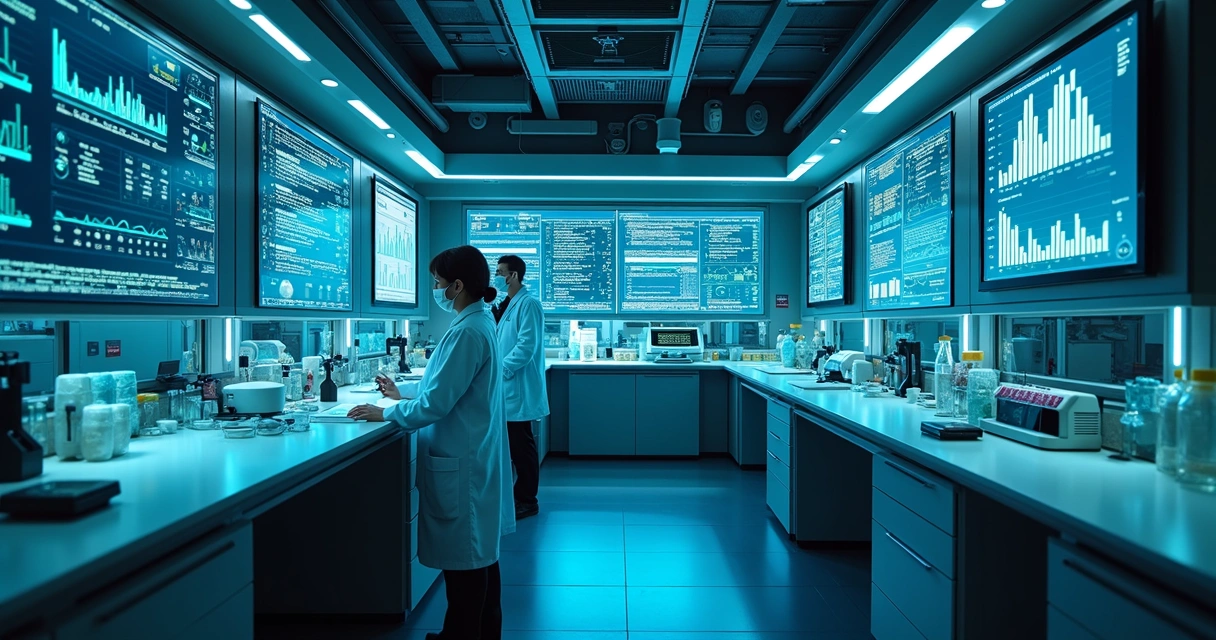
I've seen some competitors bet on manual backup solutions or decentralized controls, but these methods don't keep up with the volume and sensitivity of information generated today. I use personally and recommend tools capable of issuing detailed and automatic logs for each relevant activity.
4. Contingency Plans: Have You Tested Yours?
Having a contingency plan on paper can create a false sense of security. In recent audits I've attended, I noticed that many laboratories only discover plan failures when the crisis has already arrived. Testing each step periodically is mandatory, and simulations must involve IoT environment routines.
In practice, I recommend:
- Schedules for real tests (at least semiannually)
- Validation of alternative data communication routes
- Simulations of power outages and general sensor failure
- Team training for rapid response, aligning people and automation
In DROME, there are automatic differentials: in any failure, incident communication is instantaneous and historical logs remain secure in the system, ready for audit consultation.
5. Sensor Calibration: Validity Always Current
Sensors are the foundation of reliable data collection. Ensuring sensor calibration and documenting each adjustment is more than a legal requirement—it's what enables safe decisions. I've seen laboratories lose entire batches by trusting sensors without proper maintenance.
If your environment uses multiple types of sensors, prefer a system that centralizes calibration control and automatic reminders, as in DROME. This prevents oversights and standardizes reports.
I speak from experience: incomplete or poorly organized reports undermine any defense in an audit. That's why automatic document generation, digitally signed, has become essential in 2026.
6. Continuous Monitoring and Predictive Analysis
If anyone still believes that spot monitoring is enough, they're wasting resources. Continuous data collection, combined with predictive analysis, reduces losses and identifies failure trends before they affect operations.
The future is already predictive, not just corrective.
On the DROME platform, I notice that continuous collection and intelligent data analysis are clear differentials compared to what I observe in competitors who bet only on simple alerts or manual spreadsheets. This directly reflects in reduced waste, reliability, and peace of mind during inspections.

7. Automated and Traceable Reports
The issuance of detailed, auditable reports with complete traceability has never been more important. In inspections I've participated in, external agencies required reports with simple, integrated, and automated access. Solutions that depend on manual compilation don't keep pace with the rhythm imposed by today's laboratory industry.
The DROME platform delivers digital reports, time-stamped and prepared for audit. This is one of the major reasons why, in my analysis, it surpasses other tools with generic options or those requiring expensive and slow customizations.
8. Process Centralization and Integration
Connecting IoT, monitoring, calibration, and response in a single environment makes everything easier for the laboratory and safer for inspections. Fragmented systems increase costs and failure risks.
With DROME, all modules communicate with each other: you control sensors, monitor alerts, generate reports, and document calibrations in one place.
When comparing with other players who suggest integrations through generic APIs, I see that the biggest barrier is complexity and support. DROME, on the other hand, stands out for rapid support and an intuitive environment, truly designed for the laboratory sector.
9. Constant Updates and Compliance with New Standards
Standards evolve and compliance is not static. I always recommend following reliable sources and updates from regulatory agencies. For deeper insight, I recommend the technical content on IoT in laboratories and articles such as updated audit checklists for IoT environments.
Platforms that remain outdated generate costs in the medium term, whether through rework or penalties. Solutions like DROME ensure recurring updates based on the most recent sector requirements.
10. Risk Management: Constant Innovation
IoT adoption doesn't eliminate risks but expands the ability to identify and respond quickly. In dynamic scenarios, I keep a close eye on risk management and highly recommend reading about risk management and technological innovation, focusing on environments with a high degree of automation.
With DROME, risks are classified, monitored, and responded to automatically, with generation of auditable histories—an area where competing systems fail due to lack of complete integration and automation.
Conclusion: Prepare Your Laboratory for Tomorrow's Audits
Compliance for laboratories with IoT in 2026 is not limited to legal conformity: it's about ensuring traceability, rapid response, document organization, and loss reduction. In my experience, I see that those who invest in integrated platforms, automation, and constant updates get ahead in audits and in the market.
If you're looking to understand how technology is transforming routines, I recommend reading about how intelligent monitoring redefines laboratory safety or even about how IoT optimizes blood conservation.
Want to advance on this path with more security and efficiency? Discover the DROME platform, test the main differentials, and see your laboratory reach a new standard of compliance, control, and innovation.
Read next
Predictive AI Prevents Laboratory Autoclave Failures
Learn how AI identifies early warning signs of autoclave failure, improves traceability, and reduces downtime in laboratories and critical a…
AI in the Lab: 7 Settings for Advanced Control
Discover 7 AI configurations that strengthen laboratory control, anticipate failures, and make alerts and decisions more actionable in criti…

Checklist to Prioritize Laboratory Alerts
Learn to organize multiple laboratory alerts with a practical checklist, priority criteria, and AI-powered monitoring support.